Egypt
 Libya
 Morocco
 Sudan
 Tunisia
 Benin
 Burkina Faso
 Cabo Verde
 Côte d'Ivoire
 Ghana
 Guinea
 Guinea-Bissau
 Liberia
 Mali
 Mauritania
 Niger
 Nigeria
 Senegal
 Sierra Leone
 The Gambia
 Togo
 Cameroon
 Central African Republic
 Chad
 DR Congo
 Equatorial Guinea
 Gabon
 Republic of the Congo
 São Tomé and Príncipe
 Burundi
 Comoros
 Djibouti
 Eritrea
 Ethiopia
 Kenya
 Madagascar
 Malawi
 Mauritius
 Mozambique
 Rwanda
 Seychelles
 Somalia
 South Sudan
 Tanzania
 Uganda
 Angola
 Botswana
 Eswatini
 Lesotho
 Namibia
 South Africa
 Zambia
 Zimbabwe
A team seeking direction, not just a name
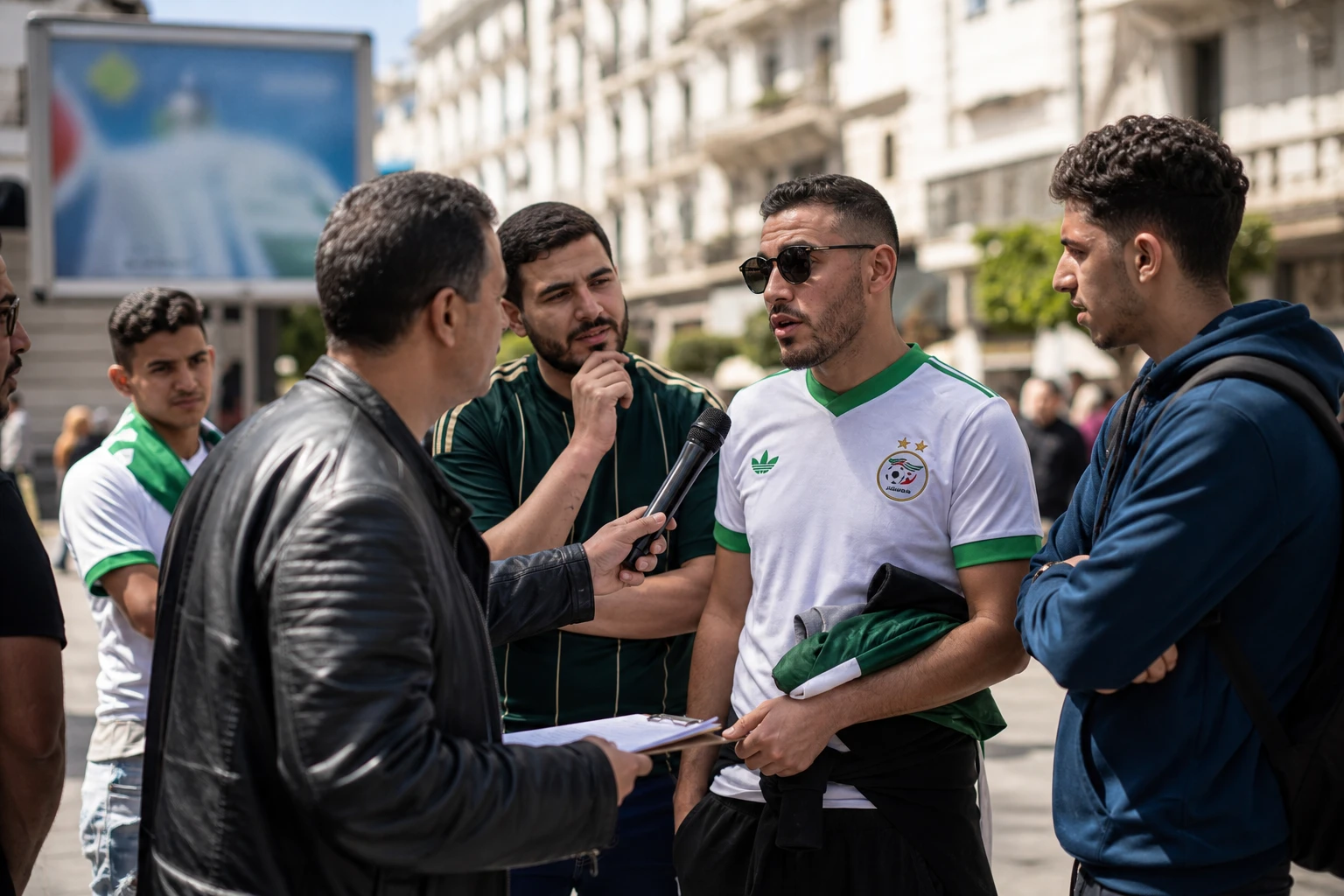
In Algeria, pressure on the Fennecs’ bench has always gone beyond the simple question of who the coach is. It is about method, confidence and a generation’s ability to look ahead to an African campaign that leaves no room for half-measures. This Saturday, 5 September, the Algerian Football Federation chose to open a new chapter with an in-house solution.
The decision comes against a clearly defined backdrop. AFCON 2027 will be held in Kenya, Tanzania and Uganda, and Algeria are in qualifying Group I alongside Zambia, Togo and Burundi. The first two rounds are scheduled for the international window from 21 September to 6 October 2026, with matches resuming in November.
Hemdani, Yahia, Saïb: a deliberate local choice
The FAF has put Brahim Hemdani in charge of the senior team, with Antar Yahia as assistant and Moussa Saïb as general manager. The appointment is described as provisional, giving the trio time to be assessed in competitive action. The set-up brings together three former internationals from different eras of Algerian football.
The message is clear: Algiers has chosen to rely on coaches who know the dressing room, the domestic league and the demands of the national team. This local approach follows the end, in August, of the collaboration with Vladimir Petković, which the federation said was by mutual agreement.
Hemdani’s record weighed in his favour. Appointed head coach of the under-20s in July, he then led Algeria’s U21s to gold at the Mediterranean Games in Taranto, beating Tunisia 2-0 in the final. Several Algerian media outlets noted that it was the country’s first title at this level since 1975, a powerful symbolic milestone for the national game.
The triumph is no mere footnote. It shows that structured work on the ground with a young, disciplined squad can deliver quick results. The FAF appears to have taken note of that spell as it tests a pathway between the youth teams and the senior side. It is a strategy based on sporting continuity, but also on giving local figures greater responsibility.
What this gamble means for Algeria
For the players, the immediate benefit could be clarity. A coaching team from the same football environment speaks the same tactical language and can speed up adaptation. For the federation, the message is just as clear: performance does not depend solely on a name from outside. In a country where the national team remains a matter of national importance in the fullest sense, the decision also carries psychological weight.
The schedule, meanwhile, leaves no room to pause. Algeria are due to host Zambia on 25 September at the Hocine-Aït-Ahmed Stadium in Tizi Ouzou, then travel to Burundi four days later, in Bujumbura. These two fixtures launch a qualifying campaign in which every point could count, in a tight group where the top two places secure a route to the finals.
Beyond the pitch, this episode says something about Algerian football and, more broadly, contemporary African football. Many federations across the continent are now seeking a balance between outside expertise, local development and institutional stability. Algeria’s decision is part of that trend: it tests whether a national core can meet a major continental challenge without giving up on ambition.
The next steps will come quickly. The coming days will show whether this trio can turn a transition into lasting momentum. In September, Algeria will be looking for more than points. Above all, it will be testing whether reconstruction can begin with home-grown talent.