Algeria
 Egypt
 Libya
 Morocco
 Sudan
 Tunisia
 Benin
 Burkina Faso
 Cabo Verde
 Côte d'Ivoire
 Ghana
 Guinea
 Guinea-Bissau
 Liberia
 Mali
 Mauritania
 Nigeria
 Senegal
 Sierra Leone
 The Gambia
 Togo
 Cameroon
 Central African Republic
 Chad
 DR Congo
 Equatorial Guinea
 Gabon
 Republic of the Congo
 São Tomé and Príncipe
 Burundi
 Comoros
 Djibouti
 Eritrea
 Ethiopia
 Kenya
 Madagascar
 Malawi
 Mauritius
 Mozambique
 Rwanda
 Seychelles
 Somalia
 South Sudan
 Tanzania
 Uganda
 Angola
 Botswana
 Eswatini
 Lesotho
 Namibia
 South Africa
 Zambia
 Zimbabwe
Training health workers is not enough
In Niamey, Niger continues to expand its pool of future health workers. But the real test is not the number of diplomas awarded. It is played out in villages, remote health centres and hospitals, where every vacant post has an immediate impact on patient care.
In a country where the population is growing rapidly and distances make access to care difficult, the question is no longer simply how to train more people. Professionals must also be retained, deployed and supported. Without that, certification efforts remain useful, but incomplete.
This momentum is part of the 2022–2026 Health and Social Development Plan, aligned with national development priorities, and unfolds in a West African region where states are seeking to strengthen health systems weakened by demographic pressure, migration and territorial inequalities. Niger is therefore not on the fringes of this human resources crisis: it is one of its most acute cases.
A larger 2026 session, but the shortfall persists
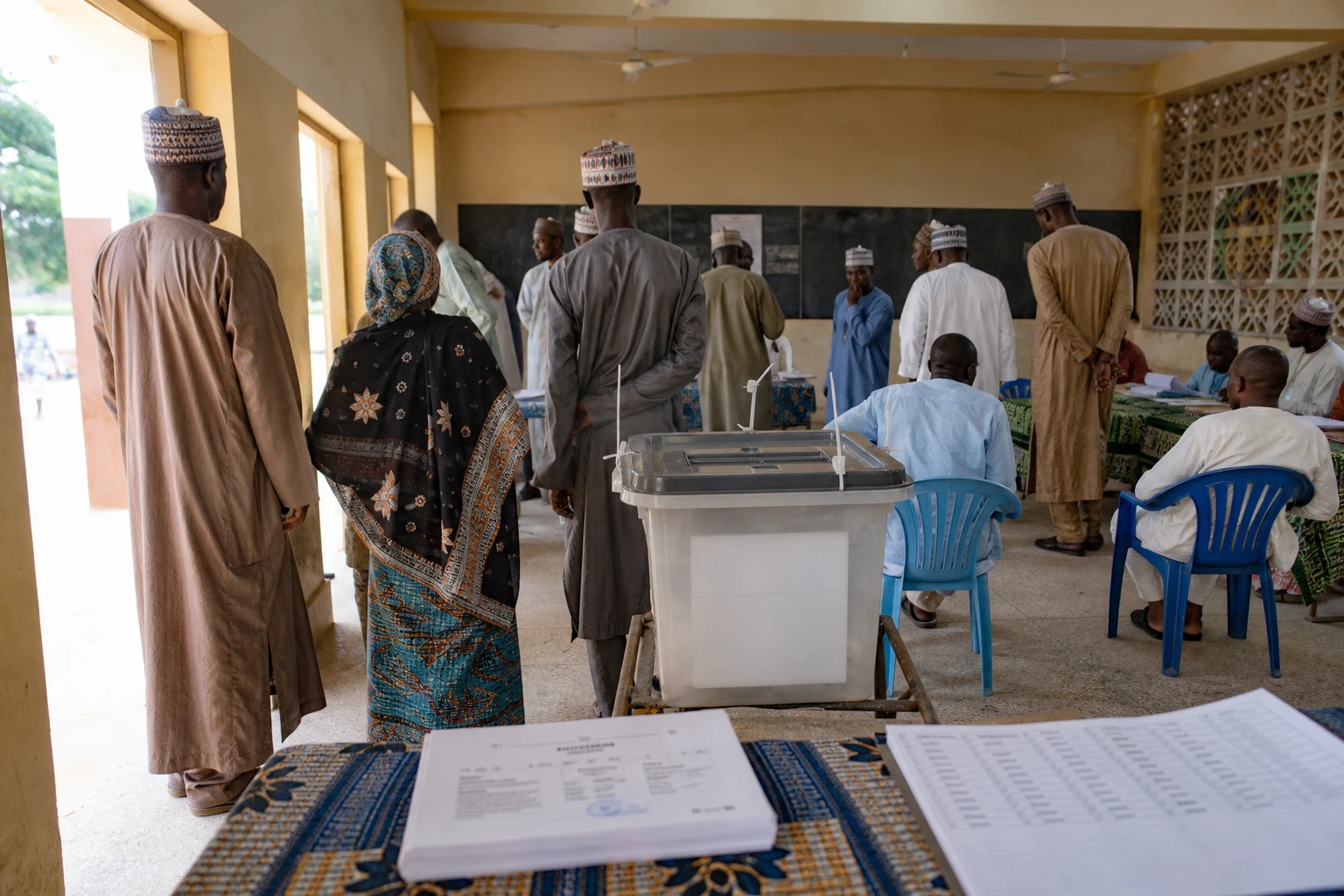
Niger’s Ministry of Health has established in Niamey the national committee responsible for organising the 2026 edition of the Unified Health Certification Examination. The session is set to bring together 9,143 candidates from 60 public and private institutions. The system has been in place since 2011 and has become central to validating health training in Niger.
The 2025 edition had already drawn 8,910 candidates, with a reported pass rate of 88.99%. In 2023, the rate was 85.40%. These figures point to the steady expansion of certification. They also reflect the growth of public and private health schools in a country seeking to broaden its training base.
However, an increase in the flow of entrants does not resolve the shortage of workers leaving the system. The World Health Organization estimates Niger’s health-worker density at 0.25 per 1,000 people, the lowest level in the WHO African Region. The benchmark generally cited by the WHO for providing essential services is 44.5 health workers per 10,000 people, a level the country remains far from reaching.
In other words, Niger is training more people, but the structural gap remains immense. The system is producing graduates without yet providing sufficient coverage across the country.
The real problem is retention and distribution
The shortfall has no single cause. First, population growth quickly absorbs the gains made by new cohorts. Second, departures to other labour markets deprive the country of some of its qualified professionals. Finally, coverage remains highly unequal across the country, with a stronger presence in urban centres than in rural areas.
Niger is a vast, sparsely populated and heavily rural country. This weighs heavily on the organisation of health services. A 2022 World Bank study found that nearly one in two Nigeriens lives more than five kilometres from the nearest health facility. In this context, training alone is not enough. There must be posts, housing, equipment, passable roads and a system for managing assignments that takes account of the disparities between Niamey and the regions.
The government says its 2022–2026 health plan aims to double the density of qualified personnel, from 0.4 to 0.8 health workers per 1,000 people. The goal is clear. But it chiefly highlights the scale of the shortfall. Even if doubled, the ratio would remain far below the levels needed to ensure satisfactory coverage.
The issue also affects the real economy. When a health centre functions poorly, households spend more on travel and treatment, or have to wait longer. Pregnant women, children and residents of remote areas pay the most immediate price. In rural areas, low staffing levels undermine continuity of care. In the capital, demand is concentrated on a handful of facilities that are already overstretched.
Niger therefore has an interest in treating certification as one link in a much broader chain. Training, yes. But also recruiting, retaining, deploying and monitoring staff. Without a policy to keep people in their posts, the state’s efforts will amount mainly to paperwork.
A Nigerien challenge, but also a continental one
Niger’s situation resonates far beyond its borders. The WHO Regional Office for Africa notes that the continent continues to face a massive shortage of health workers, with acute pressure on frontline roles, midwives and nurses. The problem is widespread, but it hits hardest in countries with limited public resources and rapidly growing populations.
That is why certification cannot be viewed as a purely academic matter. It concerns health sovereignty, a state’s ability to retain its skills and every region’s ability to secure a minimum number of qualified workers. In West Africa, the issue is also linked to professional mobility, the appeal of national health systems and disparities in investment between neighbouring countries.
Niger thus finds itself at the intersection of several urgent priorities: organising credible examinations, improving the quality of training and making health professions viable. The schedule for the 2026 EUCES edition will show whether the certification system continues to expand its pace. The rest will play out on the ground, in health districts, where the promise of better coverage is measured by the actual presence of staff, not by examination capacity alone.