Algeria
 Egypt
 Libya
 Morocco
 Sudan
 Tunisia
 Benin
 Burkina Faso
 Cabo Verde
 Côte d'Ivoire
 Ghana
 Guinea
 Guinea-Bissau
 Liberia
 Mali
 Mauritania
 Niger
 Nigeria
 Senegal
 Sierra Leone
 The Gambia
 Togo
 Cameroon
 Central African Republic
 Chad
 Equatorial Guinea
 Gabon
 Republic of the Congo
 São Tomé and Príncipe
 Burundi
 Comoros
 Djibouti
 Eritrea
 Ethiopia
 Kenya
 Madagascar
 Malawi
 Mauritius
 Mozambique
 Rwanda
 Seychelles
 Somalia
 South Sudan
 Tanzania
 Uganda
 Angola
 Botswana
 Eswatini
 Lesotho
 Namibia
 South Africa
 Zambia
 Zimbabwe
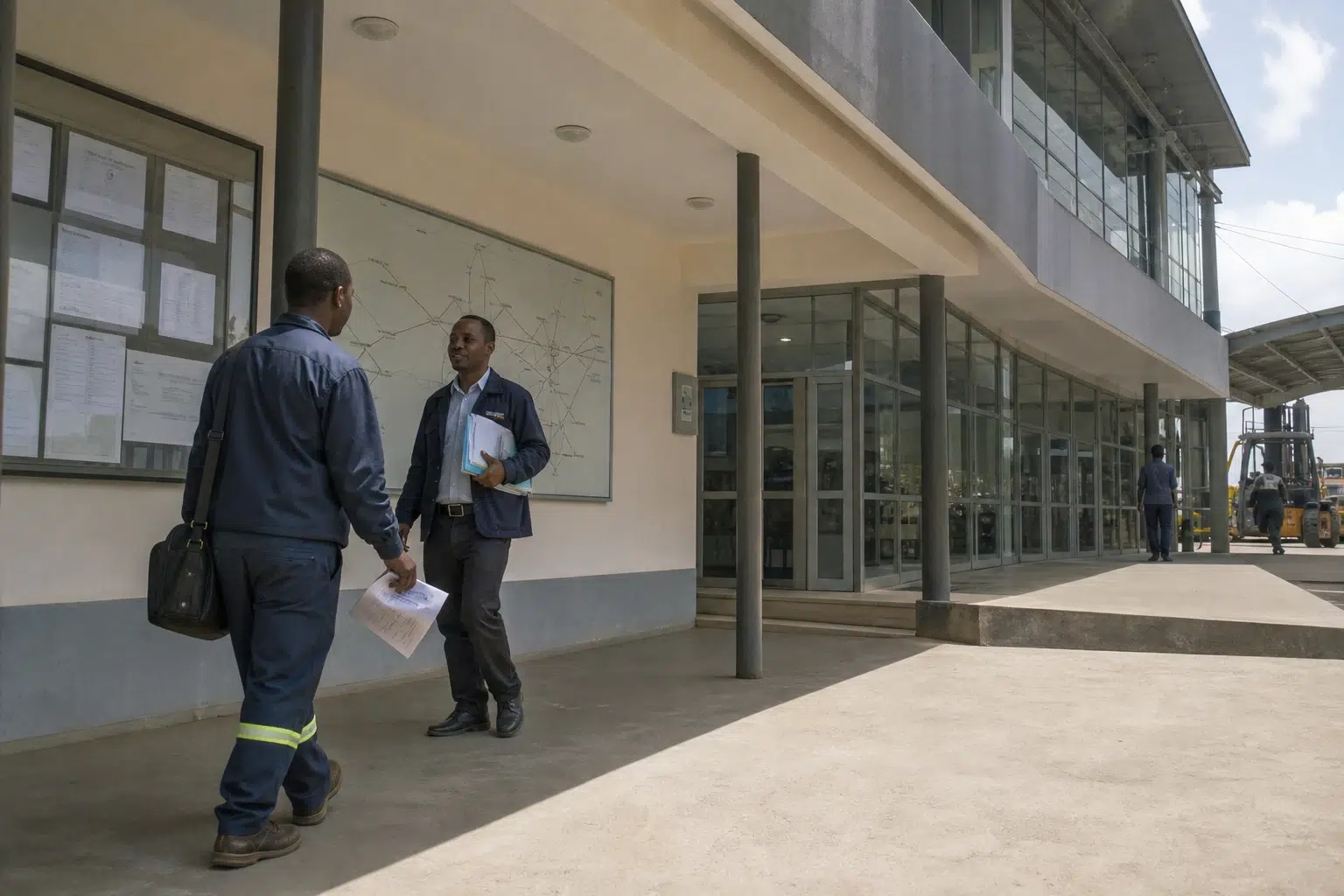
A sea, rail and lake route to open up eastern DR Congo
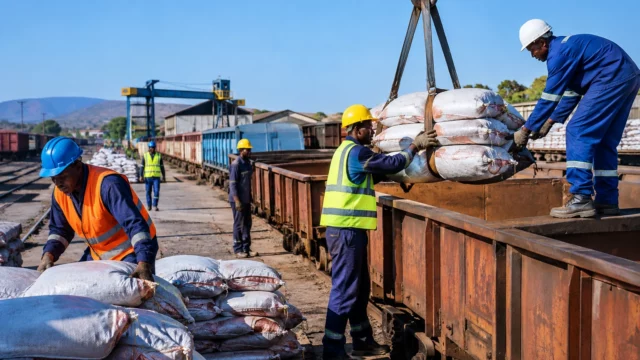
Between Dar es Salaam, Kigoma and Kalemie, geography is no minor detail. It is at the heart of the issue. For the Democratic Republic of the Congo, which is seeking smoother routes to the Indian Ocean, every hour saved in transport times can change the cost of a bag of cement, a mining consignment or a batch of medicines. Tanzania, for its part, is consolidating its role as a regional logistics hub, already recognised in East African integration plans.
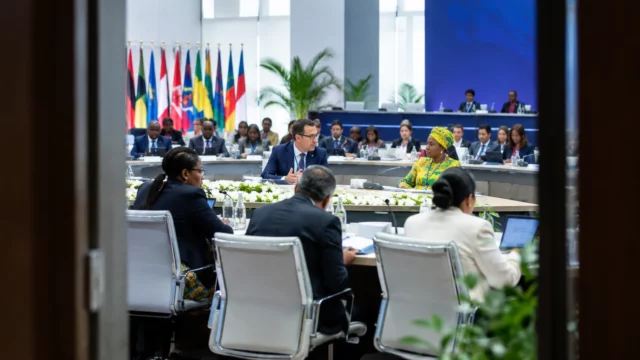
The Zanzibar meeting is part of a longstanding partnership that has been revived in stages. As early as 2022, Kinshasa and Dar es Salaam had signed two memorandums of understanding on transport and telecommunications, with the aim of developing a more structured rail and road link between the two countries. In 2026, discussions took on a more concrete form around the Central Corridor, Lake Tanganyika and a digital interconnection between Kigoma and Kalemie.
What the two capitals put on the table
On 18 August 2026, Félix-Antoine Tshisekedi and Samia Suluhu Hassan put the modernisation of transport and communications infrastructure between Tanzania and DR Congo at the centre of their talks. Discussions covered the ports of Dar es Salaam, Kigoma and Kalemie, lake transport on Lake Tanganyika, the gradual interconnection of railway networks and a cross-border fibre-optic backbone between Kigoma and Kalemie.
This project is not starting from scratch. The Central Corridor, which begins in Dar es Salaam, is one of East Africa’s major transit routes and serves Tanzania, Zambia, Rwanda, Burundi, Uganda and eastern DR Congo, among others. Regional institutions also point out that inland waterways, including Lake Tanganyika, are already used for freight and passenger transport between Tanzania, Burundi, DR Congo and Zambia.
In detail, the proposed system remains multimodal. It combines road, rail, port and lake transport. The logic is simple: if one link is blocked, the cost of the entire chain rises. That is why the two countries also discussed bringing logistics operators and technical institutions on board, as well as feasibility studies, before making any major commitment to rail. Closer cooperation between administrations matters just as much as concrete.
Fibre optics are not a decorative addition. They are intended to support the movement of goods as well as data. DR Congo has already included digital connectivity in its national plans, with backbone projects and plans to lay fibre along several road routes. In this context, a Kigoma-Kalemie link could strengthen the digitisation of customs, coordination between ports and public services.
Tangible benefits, but very real obstacles
For eastern DR Congo, the stakes go beyond diplomacy. Maniema, Tanganyika, South Kivu and Haut-Katanga need more reliable corridors to market their produce and receive essential goods. When roads deteriorate, prices quickly rise in secondary cities, while rural areas bear the heaviest cost because they have no alternatives. Conversely, a more stable corridor could support markets, small businesses, agricultural cooperatives and informal transport services that sustain the everyday economy.
For Tanzania, the benefits are also strategic. Dar es Salaam is strengthening its position as a commercial gateway to the continent’s interior, while Kigoma could play a greater role as a lake hub on Tanganyika. The country has already begun efforts to expand capacity on its railways and at its ports, giving this bilateral cooperation an economic rationale: more traffic, greater logistics value added and more regional influence.
The main constraint remains funding. Rail, port, road and fibre projects require complex financing arrangements, serious technical studies and ongoing coordination between ministries, port agencies, railway companies and local authorities. The precedent set in 2022 shows that political announcements have already been made. This time, the difference will be measured by the pace of implementation.
Security also weighs on the corridor’s credibility. Humanitarian and security priorities remain pressing in eastern DR Congo, while decisions taken at the joint EAC-SADC summit in Dar es Salaam underscored the need to open routes for movement and supplies. Connectivity is therefore not just an economic issue. It also affects the delivery of aid, the resilience of eastern provinces and the ability of states to honour their regional commitments.
The project also has continental significance. It is part of a wider trend towards integrating African corridors, driven by the African Continental Free Trade Area and regional economic communities. If Tanzania and DR Congo can jointly advance rail, lake transport, ports and digital connectivity, they will offer a concrete example of integration through infrastructure, benefiting trade between the Indian Ocean and the hinterland of Central Africa. The next step will therefore be as much technical as political: studies, budget decisions and an implementation timetable.