
 Algeria
 Egypt
 Libya
 Sudan
 Tunisia
 Benin
 Burkina Faso
 Cabo Verde
 Côte d'Ivoire
 Ghana
 Guinea
 Guinea-Bissau
 Liberia
 Mali
 Mauritania
 Niger
 Nigeria
 Senegal
 Sierra Leone
 The Gambia
 Togo
 Cameroon
 Central African Republic
 Chad
 DR Congo
 Equatorial Guinea
 Gabon
 Republic of the Congo
 São Tomé and Príncipe
 Burundi
 Comoros
 Djibouti
 Eritrea
 Ethiopia
 Kenya
 Madagascar
 Malawi
 Mauritius
 Mozambique
 Rwanda
 Seychelles
 Somalia
 South Sudan
 Tanzania
 Uganda
 Angola
 Botswana
 Eswatini
 Lesotho
 Namibia
 South Africa
 Zambia
 Zimbabwe
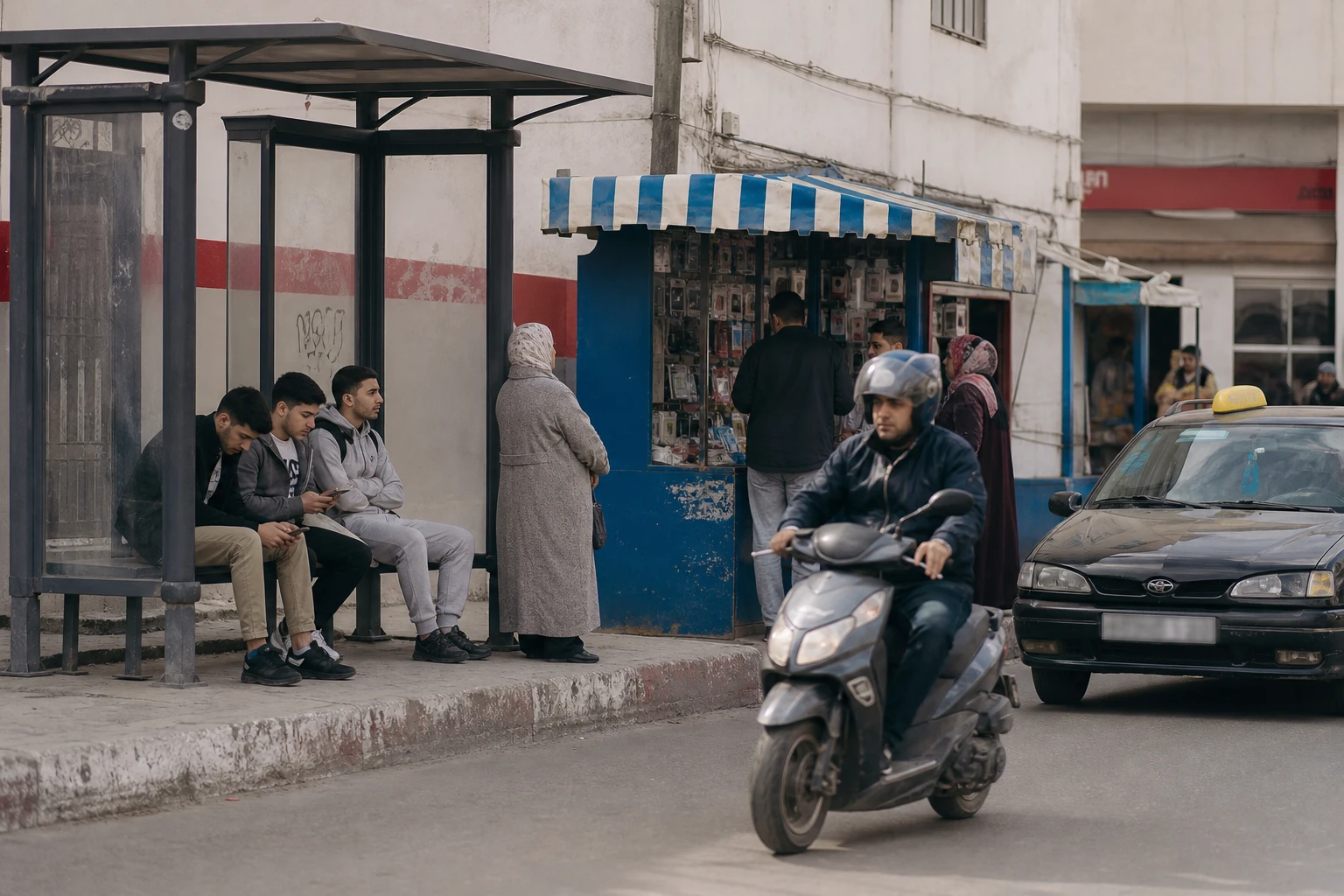
How a rumour of an open border can put an entire migration corridor on edge
In Fnideq, in northern Morocco, a simple message shared online can now have a very concrete effect: mobilising hundreds of people towards Ceuta, one of two Spanish enclaves on the Moroccan coast. In this area, where the border is narrow, heavily monitored and politically sensitive, the Moroccan authorities responded to anonymous calls announcing a supposed opening of the crossing on 15 August, a public holiday in Spain. Rabat says it has strengthened security measures and opened investigations into the suspected authors of these messages.
The issue goes beyond security management alone. It also touches on the relationship between information, human movement and sovereignty. When a rumour promises an “open” crossing, it finds fertile ground in economic hardship, the proximity of Europe and the memory of earlier episodes when the border was overwhelmed. In northern Morocco, this is not merely a digital curiosity. It weighs on daily life, the image of the state and relations with Madrid and Brussels.
Ceuta, a tiny border charged with regional tensions
Ceuta is a Spanish autonomous city in North Africa. Along with Melilla, it is one of only two land borders between the European Union and the African continent. This makes it a constant pressure point for European migration policies and security co-operation between Spain and Morocco. After the May 2021 crisis, European institutions recalled that a sudden surge in arrivals had triggered an unprecedented diplomatic crisis between Rabat, Madrid and the European Union.
The previous surge left a lasting mark. According to the European Union Agency for Asylum, about 8,000 migrants entered Ceuta within 24 hours in spring 2021, including families and unaccompanied minors. The European Parliament, for its part, referred to nearly 9,000 crossings from 17 May 2021 and at least 1,200 unaccompanied minors, while calling for the safeguards set out in international law to be respected. The episode also led to legal disputes over the return of minors to Morocco.
What the figures show and what the authorities fear
In the latest episode cited by the Moroccan authorities, the concern is not only the rumour itself, but its potential to trigger a mass movement. The Associated Press reports that messages with a specific date were circulating in Moroccan social media groups, and that the Moroccan interior ministry said it had taken “all necessary measures” to prevent another attempt at irregular entry. The same news agency recalls that, during the previous influx, some 72,000 people crossed the Ceuta area over a few days, partly because of false online claims that the border was open.
Figures for the death toll, meanwhile, are presented cautiously depending on the source. The AP cites at least 80 deaths in the previous episode, according to official figures, while noting that human rights groups put the number higher. This discrepancy says much about the difficulty of establishing an immediate count during movements this rapid, especially when some crossings are made by swimming, at night, or in areas where rescue services and security checks converge.
For Morocco, a test of territorial control and public communication
Rabat’s response serves two aims. First, to prevent a repeat of a scenario that exposed the border and weakened bilateral co-operation. Second, to regain control of the public narrative. When the Moroccan ministry refers to legal proceedings and people summoned for questioning, it signals that the battle is also being fought over online incitement. In a region where migration often relies on informal networks, rumours become a tool in their own right.
The issue also says something about the balance between the capital and the periphery. Rabat must secure a sensitive border without creating the impression of a harsh closure that could fuel even greater frustration in the north of the country. At the same time, pressure is concentrated on the municipalities near Ceuta, where local authorities, families and security services bear the immediate effects of each movement. Northern Morocco is thus caught at the intersection of social, migration and diplomatic policies that extend beyond the region.
A Moroccan warning with repercussions far beyond Fnideq
On a continental scale, the episode is a reminder that Africa’s most closely monitored borders remain vulnerable to social and digital dynamics. It also shows that migration to Europe does not depend solely on the conventional sea routes. A rumour, a public holiday, a difference in checks or a misperception can be enough to set crowds in motion. That is what makes co-operation between Morocco, Spain and the European Union so central, but also so fragile.
Looking ahead, two developments matter most: whether Morocco’s announced security measures around Ceuta are sustained, and how Spain handles people still present after previous crossings. European institutions have already stressed that returns of minors and border procedures must respect legal safeguards. In other words, tensions around Ceuta are not merely a crossing crisis; they are also a test of law, co-operation and credibility for both shores of the Mediterranean.



