Algeria
 Egypt
 Libya
 Sudan
 Tunisia
 Benin
 Burkina Faso
 Cabo Verde
 Côte d'Ivoire
 Ghana
 Guinea
 Guinea-Bissau
 Liberia
 Mali
 Mauritania
 Niger
 Nigeria
 Senegal
 Sierra Leone
 The Gambia
 Togo
 Cameroon
 Central African Republic
 Chad
 DR Congo
 Equatorial Guinea
 Gabon
 Republic of the Congo
 São Tomé and Príncipe
 Burundi
 Comoros
 Djibouti
 Eritrea
 Ethiopia
 Kenya
 Madagascar
 Malawi
 Mauritius
 Mozambique
 Rwanda
 Seychelles
 Somalia
 South Sudan
 Tanzania
 Uganda
 Angola
 Botswana
 Eswatini
 Lesotho
 Namibia
 South Africa
 Zambia
 Zimbabwe
A national memory that long kept women in the shadows
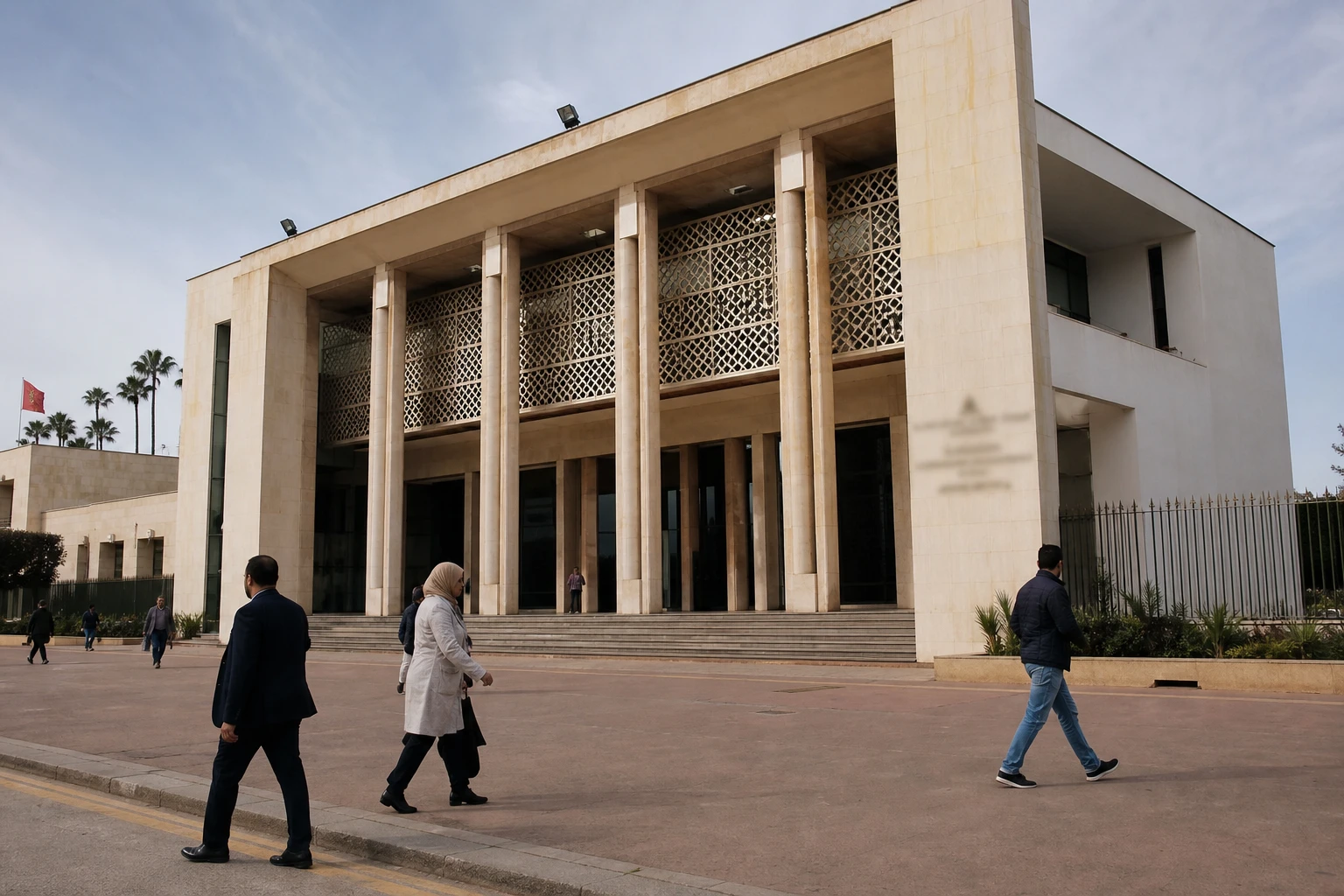
In Rabat, debate over national history is not confined to school textbooks. It also concerns the place afforded to Moroccan women in the story of the country’s liberation. For decades, official memory focused mainly on male figures, even as academic research has recalled that women took part in the resistance in many ways, both visible and discreet. This erasure is not a mere methodological detail. It still shapes how Morocco tells its past and understands its present.
The context helps show what is at stake. Morocco experienced French and Spanish protectorate rule from 1912, before gaining independence in 1956. The date 11 January 1944 remains a major landmark, as the Manifesto of Independence was presented in the name of the Istiqlal party on that day. In this chronology, the history of women has not disappeared entirely. It has above all been under-documented and often relegated to the margins of the national narrative.
From the countryside to the cities, from support roles to political action
One of the most striking features of this incomplete memory is the diversity of women’s participation. In areas of armed resistance, Moroccan women carried out essential functions: logistics, passing on information, protecting fighters, helping them retreat and, at times, symbolically humiliating deserters. Historians of the resistance also point out that this participation formed part of a long period, well before the urban mobilisations of the 1940s and 1950s. In other words, the struggle was not fought only in the big cities or only in political circles.
In the cities, resistance took another form. It was organised around the press, activist groups, nationalist networks and intellectual circles. This was where some women began to enter public life more visibly, particularly through nationalist circles and the spread of reformist ideas. Available research nevertheless highlights a persistent paradox: women took part, but men often held leadership positions and presented themselves as the first witnesses to history.
The position of Malika al-Fassi illustrates this gap. She remains the sole woman to have signed the 1944 Manifesto of Independence, a fact now recalled by official Moroccan sources and national media. Her name says something broader than her personal story. It shows that women’s participation was not limited to a symbolic presence. It also took the form of an openly acknowledged political commitment at the heart of the founding moment of independence.
Why this history still matters today
The debate is not only about heritage. It concerns how a society distributes historical legitimacy. When women are absent from official narratives, their contribution appears secondary. In the Moroccan case, however, this impression does not stand up to scrutiny of the sources. Research on the Moroccan resistance and nationalism points instead to participation across several social groups and regions of the country. This finding calls for a reassessment of the implicit hierarchy between armed action, political action and everyday action.
The tangible effects of this selective memory must also be considered. For political elites, national history provides a symbolic foundation. For families, it transmits a sense of belonging. For women, it can either open up space for recognition or perpetuate an old division between visible heroes and erased actors. In a country where public policies are now seeking to strengthen women’s economic empowerment, as several recent initiatives at regional level show, historical recognition is also a civic issue. It is a reminder that Moroccan women’s access to public life is not a recent break with the past. It is part of a longer continuum.
This reassessment also resonates across Africa. Many of the continent’s anti-colonial struggles have been told through male figures, even though women carried networks, messages, care, funding, propaganda and sometimes arms. Morocco is part of a pan-African question: who writes the story of liberation, and who remains out of frame? African historiographies advance when they bring together archives, testimony, the press and local academic research. Only then can memory cease to be a closed narrative and become a shared resource.
In Morocco, the work remains unfinished. The country has already taken important steps to highlight certain female figures from the past, but much historical work remains to be done. From the protectorate to national mobilisation, the 1944 Manifesto and independence in 1956, the place of Moroccan women deserves to be read not as a footnote, but as an integral part of nation-building. The coherence of a fairer historical narrative still depends on it today.