Egypt
 Libya
 Morocco
 Sudan
 Tunisia
 Benin
 Burkina Faso
 Cabo Verde
 Côte d'Ivoire
 Ghana
 Guinea
 Guinea-Bissau
 Liberia
 Mali
 Mauritania
 Niger
 Nigeria
 Senegal
 Sierra Leone
 The Gambia
 Togo
 Cameroon
 Central African Republic
 Chad
 DR Congo
 Equatorial Guinea
 Gabon
 Republic of the Congo
 São Tomé and Príncipe
 Burundi
 Comoros
 Djibouti
 Eritrea
 Ethiopia
 Kenya
 Madagascar
 Malawi
 Mauritius
 Mozambique
 Rwanda
 Seychelles
 Somalia
 South Sudan
 Tanzania
 Uganda
 Angola
 Botswana
 Eswatini
 Lesotho
 Namibia
 South Africa
 Zambia
 Zimbabwe
The tournament changed shape faster than expected
In Rabat and Casablanca, the 2026 Women’s AFCON has taken a turn few people expected at the outset. Four teams remain: hosts Morocco, Cameroon, Algeria and Malawi. Together, they make up a last four that brings together status, experience and discovery. The most interesting thing is not just the names of the qualifiers. It is the shift they represent: established powers have faltered, while teams long seen as outsiders have gained ground.
The competition is being held in Morocco from 25 July to 16 August 2026, after the CAF decided in March to postpone it in order to better secure the organisation of the tournament. This edition also serves as qualification for the 2027 FIFA Women’s World Cup in Brazil. According to FIFA, Africa has four direct places through the Women’s AFCON and two additional places through an intercontinental play-off tournament. In other words, every knockout match carries twice the weight: a continental trophy and a path to the world stage.
Morocco want to turn home advantage into a title
Morocco remain in the spotlight. At home, the Atlas Lionesses beat South Africa 2-1 in the quarter-finals, an important win against a nation familiar with major continental occasions. The hosts reached the final of the previous edition, also held on home soil, but lost. This time, the goal is clear: to move from ambitious hosts to African champions.
The official schedule confirms that the semi-finals will be played in Rabat on Wednesday 12 August. Morocco will face Cameroon at the Stade Moulay El Hassan, in a match between two teams with strong continental histories but different recent trajectories. The backing of the crowd could count. But it could also weigh heavily, as the Moroccan players face an implicit obligation to deliver a result. In a tournament held on home soil, any slip-up is seen as a missed opportunity.
Cameroon and Algeria have shown that merit is not measured on paper
Cameroon produced one of the tournament’s biggest surprises by knocking Nigeria out 1-0 in the quarter-finals, thanks to a direct free-kick from Myriam Maéva Nyadjou. Nigeria nevertheless remains the competition’s historic benchmark, with ten African titles. Cameroon’s victory therefore carries great symbolic weight: it shows that a team with less name recognition can still overturn a favourite through discipline, positioning and precision from set pieces.
For the Indomitable Lionesses, this semi-final has particular significance. The team are back in the last four eight years after their previous appearance at this stage, according to information available in official reports. In a country where women’s football is often compared with the men’s game without receiving the same resources, this progress brings the question of investment back to the forefront. The result does not solve anything, but it puts Cameroon firmly back in the continental conversation.
Algeria, meanwhile, have produced their best campaign at this level. The Fennecs came from behind to beat Côte d’Ivoire 2-1. The win gives them a first semi-final appearance in the history of the Women’s AFCON. It also opens the door to the 2027 Women’s World Cup for them for the first time. The Algerian team are no longer merely a side on the rise; they have become a significant force in the African women’s football hierarchy.
Malawi have changed their status in a matter of days
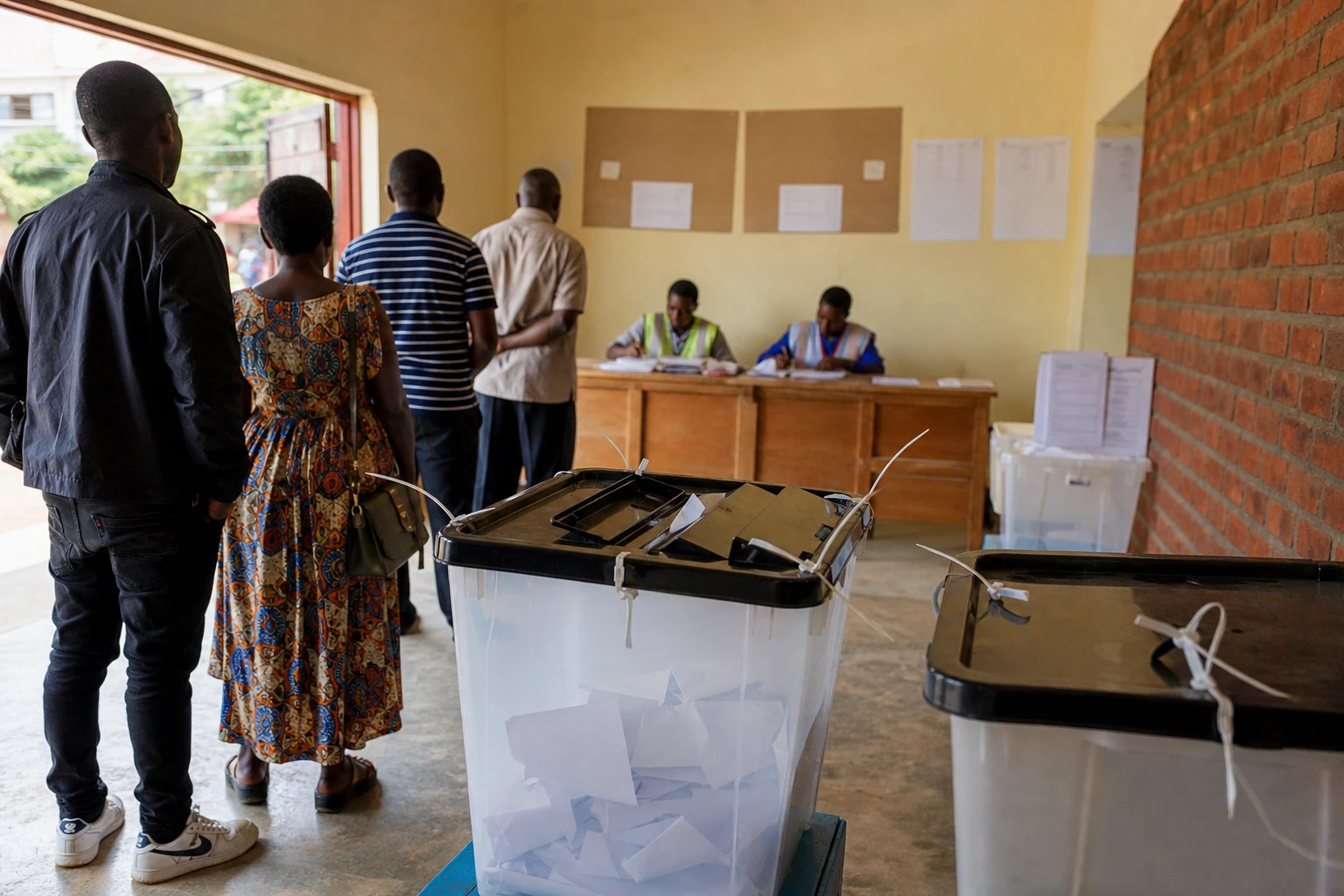
Malawi are the other major story of this final stage. The country are participating in the Women’s AFCON for the first time, and the Scorchers have already exceeded all expectations. After a convincing group stage, they knocked Ghana out 2-1 in the quarter-finals. The victory gives them their first place in the semi-finals, as well as their first-ever ticket to a Women’s World Cup. In a tournament where experience often serves as a compass, Malawi have chosen boldness, speed and a lack of inhibition.
The significance of this run goes beyond sport. Malawi show that a team new to a continental competition can quickly rise to the level of the best when groundwork has been done to build its structures. For southern African federations, this rise matters. It is a reminder that the gaps are not fixed and that a coherent project can upset more established hierarchies.
A semi-final, a World Cup place and a signal for the continent
In purely sporting terms, the draw is now clear: Morocco-Cameroon on one side, Malawi-Algeria on the other, on 12 August in Rabat. The two semi-finals bring together different stories. On one side, hosts under pressure and a Cameroon side seeking redemption. On the other, an increasingly confident Algeria and a Malawi team playing without the burden of the past. The winners will target the title. The losers, meanwhile, may be left to regret coming so close to a historic final.
But more than a medal is at stake. The 2026 Women’s AFCON serves as a qualifying route for the 2027 World Cup. The continent’s place in the global competition remains limited, and the battle for those four direct places is fierce. Morocco are looking to confirm their rise. Cameroon want to return to the top level. Algeria are seeking to establish their women’s football firmly at the highest level. Malawi, for their part, are a reminder that a first tournament can become a turning point. In a developing continental landscape, these semi-finals already say a great deal about the next stage of African women’s football.