Algeria
 Egypt
 Libya
 Morocco
 Sudan
 Tunisia
 Benin
 Burkina Faso
 Cabo Verde
 Côte d'Ivoire
 Ghana
 Guinea
 Guinea-Bissau
 Liberia
 Mali
 Mauritania
 Niger
 Nigeria
 Senegal
 Sierra Leone
 The Gambia
 Togo
 Cameroon
 Central African Republic
 Chad
 DR Congo
 Equatorial Guinea
 Gabon
 Republic of the Congo
 São Tomé and Príncipe
 Burundi
 Comoros
 Djibouti
 Eritrea
 Ethiopia
 Kenya
 Madagascar
 Malawi
 Mauritius
 Mozambique
 Rwanda
 Seychelles
 Somalia
 South Sudan
 Tanzania
 Uganda
 Angola
 Botswana
 Eswatini
 Lesotho
 Namibia
 Zambia
 Zimbabwe
A powerful memory, but equality remains unfinished
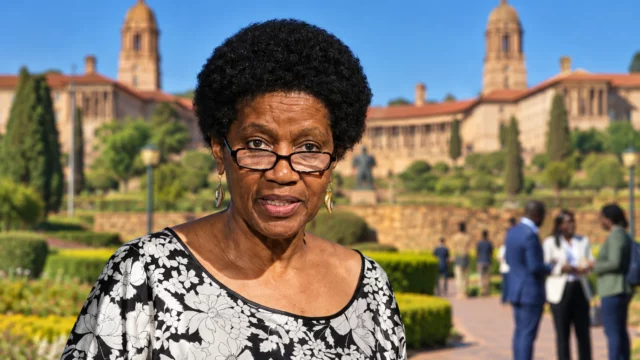
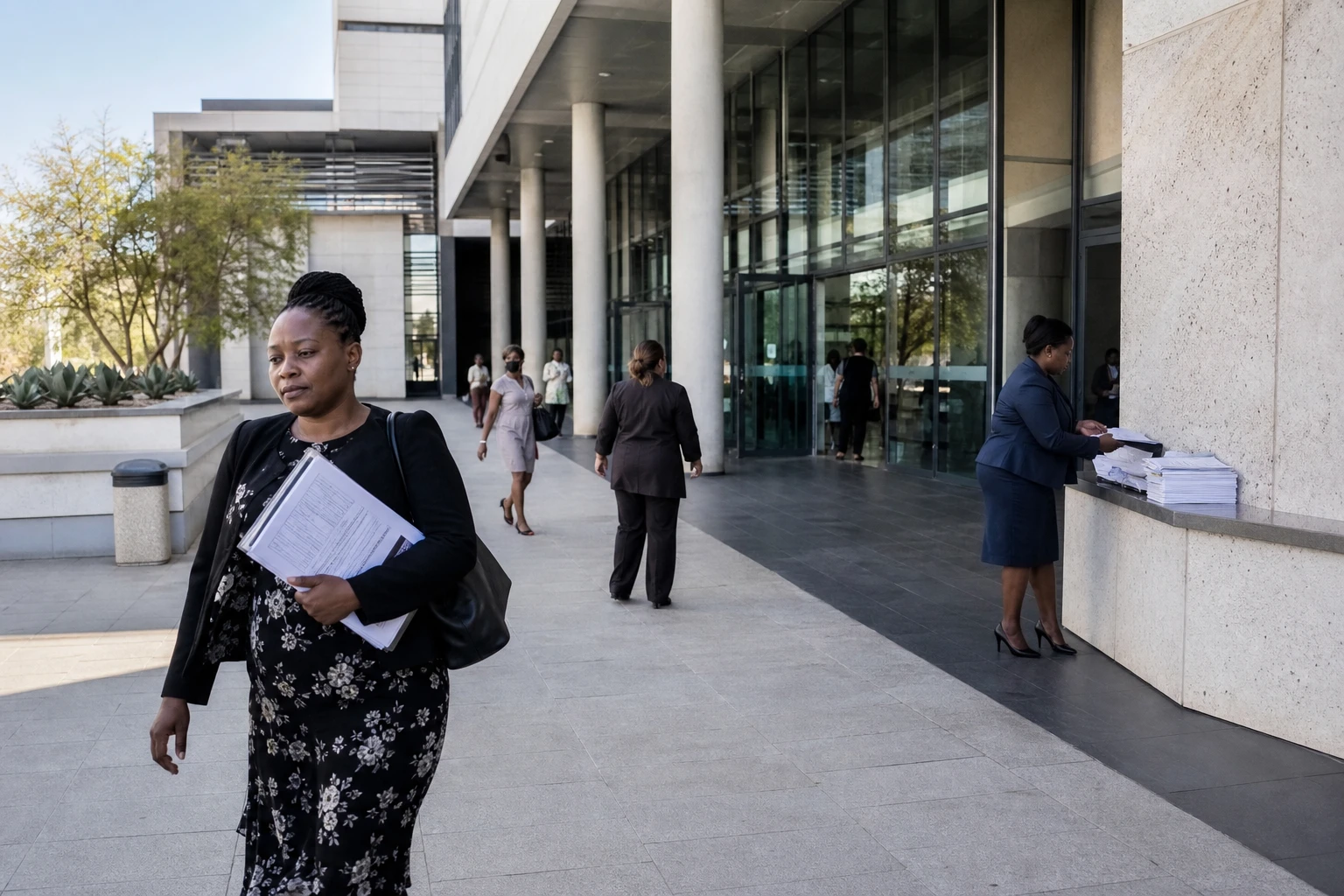
In Pretoria, the commemoration of the women of 1956 recalls a simple truth: a country can change its constitution without changing women’s daily lives quickly enough. Seventy years after the march to the Union Buildings, South Africa celebrates a foundational struggle, but does so in a climate in which black South African women remain exposed to violence, unemployment and economic dependence that still limits their choices.
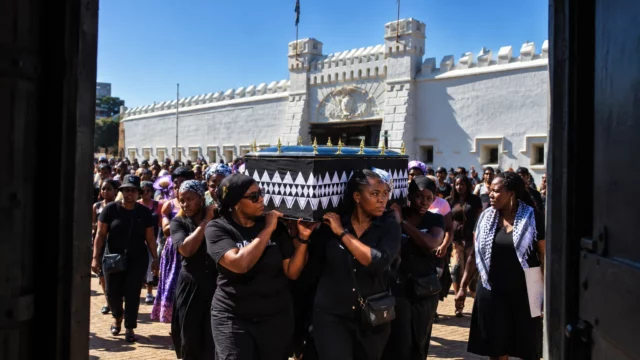
This tension between memory and reality is not confined to an anniversary. In South Africa, August is officially Women’s Month, in homage to the more than 20,000 women who marched in 1956 against the pass laws, permits that restricted the movement of black people under apartheid. The act has become a national touchstone, but also a mirror: it forces the country to look at what it has achieved, and what it still falls short of.
From apartheid to democracy: what has changed, and what endures
On 9 August 1956, women of all backgrounds converged on Pretoria to protest against the extension of pass laws to black women. The South African government today recalls that the mobilisation marked a national turning point, and that the 2026 commemoration will launch a programme of activities devoted to equality and social justice. The memory of figures in the struggle, such as Lilian Ngoyi, Helen Joseph, Rahima Moosa and Sophia Williams-De Bruyn, remains central to the public narrative.
Since 1994, South African women have gained real rights. The Constitution protects equality. Women hold key positions in the state, the judiciary, public regulators and businesses. The country has also built a strong calendar of symbols, with Women’s Month in August and Women’s Day on 9 August. But this legal and institutional framework is not enough to erase the gaps between what is written and what happens on the ground.
Today, the breaking point remains gender-based violence. South African authorities have classified gender-based violence and femicide as a national disaster, showing the scale of the crisis and the pressure on institutions. The Department of Social Development described the decision as a historic moment, while several state services continue to treat GBV as a criminal and social priority.
Black women at the intersection of inequalities
The contrast between formal progress and social reality is stark. Official data from Statistics South Africa show that black African women remain the most vulnerable in the labour market. In the second quarter of 2025, official unemployment among graduates remained high, and Stats SA analyses point out that education does not erase the gap between women and men in access to employment. At the same time, other statistical reports highlight that black women continue to record the country’s highest unemployment rates.
This has very concrete consequences. When income is lacking, dependence increases. As dependence grows, opportunities to leave an abusive partner, pay for safe transport or access legal assistance shrink. This is what grassroots organisations such as People Opposing Women Abuse emphasise when they link physical safety to economic autonomy, as do Black Sash activists, heirs to a long tradition of social mobilisation against injustice and in defence of social rights.
The available figures convey the scale of the problem. UN Women says a national study published in 2024, supported with its partners, found that 35.8% of South African women had experienced physical and/or sexual violence during their lifetimes. This is not just a statistic. It is an indicator of the gulf between the legal framework and real safety, especially in low-income neighbourhoods, peri-urban areas and homes where women already bear the main burden of expenses, children and care.
A South African issue, but also a regional one
The issue extends beyond Pretoria. South Africa is part of the Southern African Development Community, SADC, which adopted a regional strategy to combat gender-based violence for 2018-2030. The SADC secretariat and regional parliaments treat the issue as one of peace, integration and development, not just a social concern. That matters because migration rules, labour markets and domestic violence also operate across the region.
The country also plays a broader role in African forums. South Africa regularly puts women’s rights on the agenda in African Union debates, and the AU’s Agenda 2063 stresses women’s effective participation in political, economic and socio-cultural decision-making. Pretoria is therefore not only a site of national remembrance. It is also a testing ground for the credibility of African commitments to equality, representation and protection from violence.
The continental implications are clear. If South Africa, a country with robust institutions and an advanced legal system, still struggles to fully protect black women, then the issue is not just a matter of laws. It concerns enforcement, funding for public services, the police, courts, employment and economic independence. That is where, for Southern Africa and beyond, the difference between proclaimed equality and equality in practice will be decided. What comes next will be measured by the authorities’ ability to turn announcements into measurable results, as the next regional gender meetings approach and the SADC 2018-2030 programme continues.