Algeria
 Egypt
 Libya
 Morocco
 Sudan
 Tunisia
 Benin
 Burkina Faso
 Cabo Verde
 Côte d'Ivoire
 Ghana
 Guinea
 Guinea-Bissau
 Liberia
 Mali
 Mauritania
 Niger
 Nigeria
 Sierra Leone
 The Gambia
 Togo
 Cameroon
 Central African Republic
 Chad
 DR Congo
 Equatorial Guinea
 Gabon
 Republic of the Congo
 São Tomé and Príncipe
 Burundi
 Comoros
 Djibouti
 Eritrea
 Ethiopia
 Kenya
 Madagascar
 Malawi
 Mauritius
 Mozambique
 Rwanda
 Seychelles
 Somalia
 South Sudan
 Tanzania
 Uganda
 Angola
 Botswana
 Eswatini
 Lesotho
 Namibia
 South Africa
 Zambia
 Zimbabwe
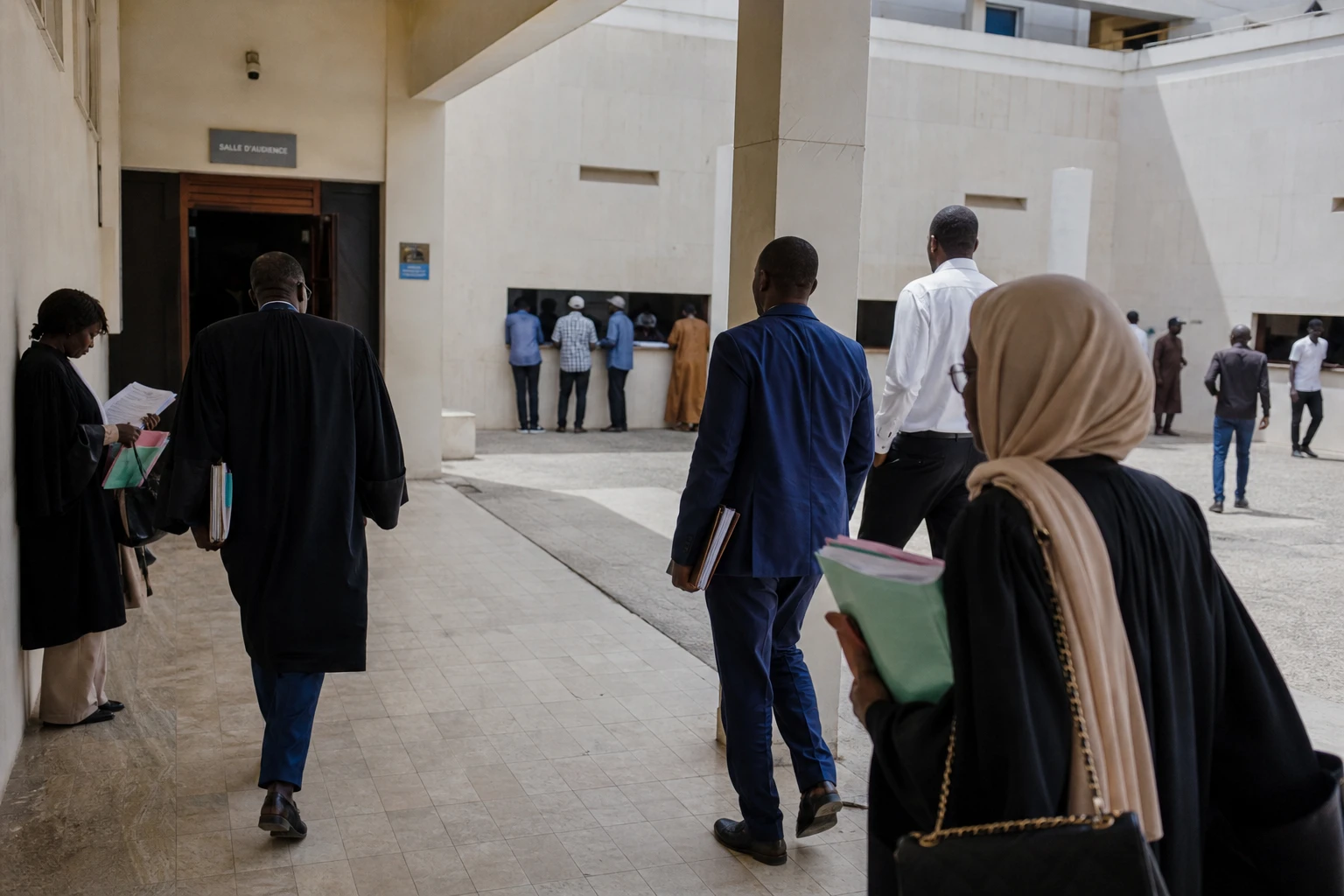
A legal case that goes beyond the criminal charges
In Dakar, the severity of the criminal law is no longer visible only in the statute books. It is now evident in the courts, where cases linked to same-sex relations have multiplied over the past several months. In a country where public life remains strongly shaped by religious and social references, this judicial acceleration affects far more than those targeted. It also touches families, public health and trust in the rule of law.
Senegal is part of the Economic Community of West African States (ECOWAS), a region where laws on sexual orientation vary widely, but where political and social pressure against LGBT+ people has risen markedly in recent years. In this context, Dakar is being closely watched, not only for its democratic trajectory but also because the country has long been regarded as a hub of institutional stability in West Africa. The new law, published in the Official Gazette on 30 March 2026, toughened Article 319 of the Criminal Code, raising the prison sentence to five to ten years and also creating offences related to promotion, financing and malicious reporting.
What the proceedings show
The latest turning point in this judicial sequence came when prosecutors announced that 71 men had been charged with “acts against nature”, while proceedings against 28 other people were dropped. The cases were examined after a preliminary investigation. In several cases, charges of “endangering the life of another person” and “wilful transmission of HIV/AIDS” were also dropped. This detail matters: it shows that not all the accusations initially linked to the arrests were maintained in the judicial process.
This wave is part of a trend that began in February 2026, when arrests started mounting in Dakar and other cities. Human Rights Watch then reported arrests based on accusations of “acts against nature” and, in some cases, alleged wilful transmission of HIV. The UN, through UNAIDS, subsequently expressed concern about the legal crackdown adopted by Senegal’s parliament on 12 March 2026, before presidential promulgation.
A crackdown reshaping the relationship between justice, health and society
The issue is not solely moral or judicial. It is also a public health matter. UNAIDS has recalled that Senegal has seen a rise in new HIV infections between 2010 and 2024, even as the country remains committed to caring for people living with the virus. When criminal debate becomes entangled with campaigns of stigmatisation, the line between prevention and repression blurs. Human rights groups have been warning for months of a deterrent effect: fewer people seeking care, more fear, and greater exposure to violence and blackmail.
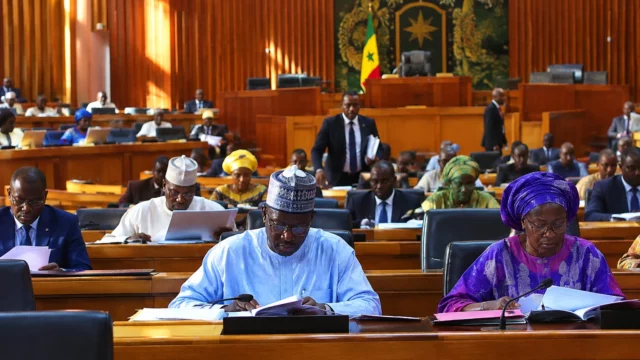
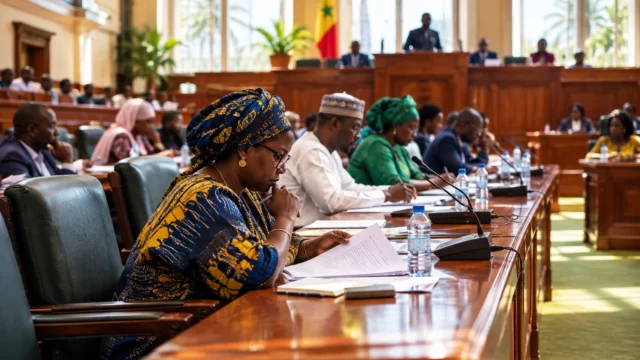
The Senegalese government, for its part, is defending a legal framework it says is clearer and more of a deterrent. On 9 March 2026, the Ministry of Justice said the reform of Article 319 was intended to clarify the offence and strengthen penalties. The bill was then adopted by the National Assembly on 11 March, promulgated on 27 March and published in the Official Gazette on 30 March. This timetable shows a rapid, explicit political will, consistent with the views of part of the public, mobilised around religious and social values.
But this choice comes at an institutional cost. On the one hand, it brings the law more closely into line with a majority discourse. On the other, it exposes the justice system to a growing number of sensitive cases in which criminal charges may vary, be dropped or be reframed as investigations proceed. It also puts judges on a knife edge: enforcing the law without turning proceedings into a tool of collective stigmatisation. In a capital such as Dakar, where high-profile cases quickly take on national significance, every judicial decision becomes a political signal.
Implications beyond Senegal
Senegal is not acting in isolation. In West Africa, several countries have already criminalised or intensified the repression of same-sex relations, fuelling a regional trend towards closure rather than harmonisation. African health and human rights organisations point out that these choices have tangible effects on access to care, HIV prevention and the safety of those concerned. The debate in Senegal therefore resonates across the continent, as it brings together legal sovereignty, social pressure and international commitments.
The next steps will unfold in the courts, but also in how the executive, prosecutors and Senegalese society reconcile public order, public health and fundamental guarantees. That is where the true significance of this sequence will be measured, beyond the case of the 71 people charged: in the definition of criminal law and the place Dakar intends to give justice amid a regional crackdown.