
 Algeria
 Egypt
 Libya
 Morocco
 Sudan
 Tunisia
 Benin
 Burkina Faso
 Cabo Verde
 Côte d'Ivoire
 Ghana
 Guinea
 Guinea-Bissau
 Liberia
 Mali
 Mauritania
 Niger
 Nigeria
 Senegal
 Sierra Leone
 The Gambia
 Togo
 Cameroon
 Central African Republic
 Chad
 Equatorial Guinea
 Gabon
 Republic of the Congo
 São Tomé and Príncipe
 Burundi
 Comoros
 Djibouti
 Eritrea
 Ethiopia
 Kenya
 Madagascar
 Malawi
 Mauritius
 Mozambique
 Rwanda
 Seychelles
 Somalia
 South Sudan
 Tanzania
 Uganda
 Angola
 Botswana
 Eswatini
 Lesotho
 Namibia
 South Africa
 Zambia
 Zimbabwe
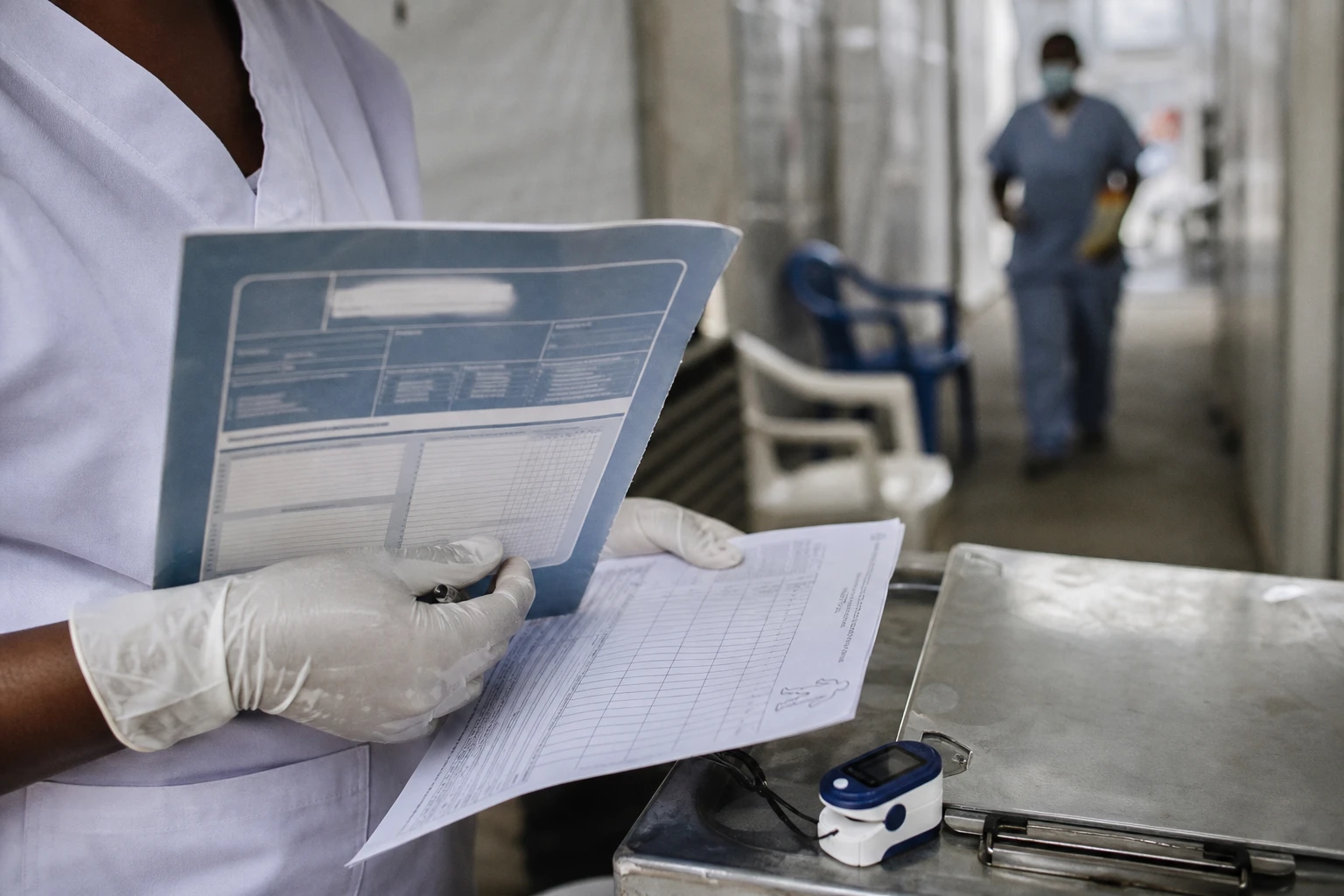
In Bunia, the response is finally taking shape around a solid anchor
In the east of the Democratic Republic of the Congo, every hour counts when Ebola is spreading. In Bunia, in Ituri, the expansion of a new treatment centre is changing the equation: it cuts the time lost between alert, isolation and care. In an outbreak affecting scattered health zones and areas where roads are often in poor condition, capacity is as important a tool as diagnosis.
The issue extends beyond Bunia itself. Ituri remains at the crossroads of several dynamics: commercial mobility, cross-border movement, pressure on hospitals and mistrust among some members of the population after several health and security crises. In this context, opening a larger centre is no mere gesture. It addresses an on-the-ground need at a time when the Congolese health response must be sustained over the long term.
An expanded health network under intense pressure
The new Ebola treatment centre in Rwankole, Bunia, is expected to have a capacity of 100 beds, including 60 for confirmed cases and 40 for suspected cases. More than 300 health professionals are to be deployed there, with support from International Medical Corps. The site will complement other facilities already open in the area, including those in Rwampara, Nizi and other treatment centres in Ituri.
This increase in capacity responds to a simple reality: existing centres quickly reach saturation when suspected cases arrive in large numbers. The Kigonze transit centre in Bunia serves precisely as a holding facility. Patients are isolated there while they are tested. Those whose results are negative leave isolation and receive other treatment if needed. This arrangement limits unnecessary infections and avoids keeping entire families waiting for a clinical verdict.
Local health authorities also report that children are among the patients under observation, a reminder that the outbreak is not confined to adults or isolated clusters. In an outbreak of this kind, the chain of care must remain clear: triage, isolation, laboratory confirmation and then referral. Without this, centres become overwhelmed, rumours spread and care is delayed.
The figures show the scale of an expanding outbreak
The WHO has repeatedly warned of the speed at which this Ebola outbreak, caused by the Bundibugyo virus, is spreading. On 17 July 2026, the organisation said that 2,124 confirmed cases had been recorded in the DRC, including 828 deaths, and stressed that transmission remained active. The WHO also noted that neighbouring countries remained exposed because of cross-border exchanges, trade and mining activities.
As of 1 July 2026, the WHO had already reported 1,460 confirmed cases and 452 deaths, showing how rapidly the outbreak had progressed in just a few weeks. In late July, a bulletin from the WHO Regional Office for Africa also stressed the intensification of the response: testing, infection prevention, quality care and community engagement. In major outbreaks, the real challenge is not just the number of beds. It is the ability to break chains of transmission before they overwhelm frontline teams.
The Congolese government declared the country’s 17th Ebola outbreak on 15 May 2026, in the health zones of Rwampara, Mongwalu and Bunia. The epicentre subsequently expanded to several eastern provinces. This geography requires Kinshasa to look beyond a single hospital site: the response must follow movements, markets, peripheral health facilities and entry points into neighbouring countries.
What the Rwankole centre means for people in the DRC
For the people of Bunia and Ituri, the difference will first be measured in time. The sooner a patient is referred to an appropriate centre, the sooner contact monitoring can begin. This also helps families avoid dangerous back-and-forth journeys between makeshift facilities and overstretched services. In an Ebola outbreak, delays carry a high cost, both medically and socially.
For health workers, the stakes are just as tangible. A larger centre, with more teams and clear protocols, reduces the risk of staff infection. The WHO has already reported infections among health workers in this outbreak, underscoring the vulnerability of hospitals when equipment, training and the flow of information fail to keep pace with the virus. In Bunia, opening up additional capacity is therefore no luxury. It is a measure to protect the health system itself.
Community engagement remains crucial. Centres cannot operate alone. They must be accepted, understood and used. That is why awareness-raising, contact monitoring and dignified, safe burials remain central to the response. In eastern Congo, where health announcements spread quickly but trust can falter, the battle is also being fought in neighbourhoods, markets and places of worship.
A regional perspective: eastern Congo remains a sensitive point for all of Central Africa
This episode concerns the DRC, but also the Great Lakes region and, more broadly, Central Africa. Movement between Ituri, North Kivu, South Kivu, Uganda and other border areas complicates efforts to control an outbreak. The WHO has assessed the risk as high for countries sharing land borders with affected areas, because of population movements, cross-border trade and uneven response capacities.
At the continental level, the 2026 Ebola response also illustrates an important shift: coordination between the WHO, Africa CDC and national authorities is taking place earlier and more visibly. In June, a joint continental preparedness and response plan was launched to support African countries facing the risk of spread. In other words, the crisis is no longer being managed solely from decision-making centres outside the continent. More African institutions and frontline partners are being mobilised.
For the Democratic Republic of the Congo, the immediate challenge is clear: turn Bunia’s logistical momentum into lasting health gains. If the Rwankole centre opens on schedule and operates as planned, it can ease pressure on Ituri, make care safer and improve the triage of cases. But the response will be robust only if surveillance, care and communication keep pace with the virus. That is where the course of the outbreak will be decided in very practical terms.



