Algeria
 Egypt
 Libya
 Morocco
 Sudan
 Tunisia
 Benin
 Burkina Faso
 Cabo Verde
 Côte d'Ivoire
 Ghana
 Guinea
 Guinea-Bissau
 Liberia
 Mauritania
 Niger
 Nigeria
 Senegal
 Sierra Leone
 The Gambia
 Togo
 Cameroon
 Central African Republic
 Chad
 DR Congo
 Equatorial Guinea
 Gabon
 Republic of the Congo
 São Tomé and Príncipe
 Burundi
 Comoros
 Djibouti
 Eritrea
 Ethiopia
 Kenya
 Madagascar
 Malawi
 Mauritius
 Mozambique
 Rwanda
 Seychelles
 Somalia
 South Sudan
 Tanzania
 Uganda
 Angola
 Botswana
 Eswatini
 Lesotho
 Namibia
 South Africa
 Zambia
 Zimbabwe
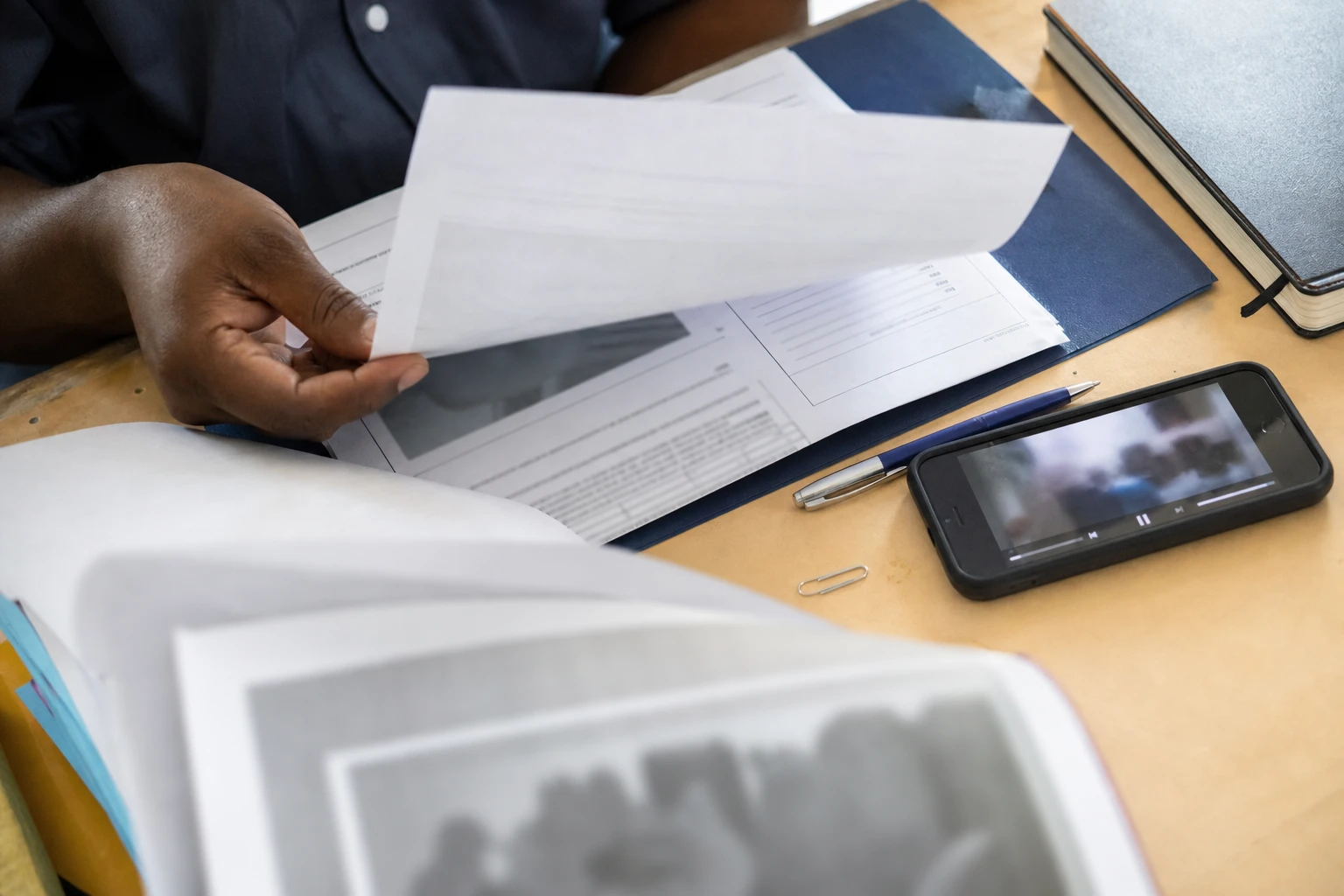
Prisoners put on display as war is waged on screen
In northern Mali, the military front is now playing out as much on screens as on the ground. By releasing videos of captured Malian soldiers, the Azawad Liberation Front, or FLA, is seeking to impose its version of the fighting and show that it still holds men and positions after recent clashes around Anéfis and Gao. The images circulated as the United Nations was already calling for an independent investigation into the alleged torture and killings of Malian soldiers who, it said, were taken prisoner on 18 July in the Gao region.
For Bamako, the stakes go beyond wartime messaging. They concern the discipline of the armed forces, the credibility of the state and how Mali’s military transition is handling an insurgency that has lasted since 2012. Since the coups of 2020 and 2021, the authorities have relied on the Malian army and Russian partners who moved from Wagner to the Africa Corps. But military pressure remains intense in the north, and tactical alliances between Tuareg separatists and Al-Qaeda-linked fighters have reshuffled the cards.
What is known about the captures and the immediate context
The available evidence points to a specific sequence of events. On 18 July 2026, a Malian army convoy was ambushed in the north of the country. Rebel sources then said that soldiers had been killed or captured. A few days later, the United Nations High Commissioner for Human Rights said it deplored acts of torture and killings targeting Malian military personnel who had surrendered to the FLA and JNIM groups in the Gao region. The UN also called for a thorough and independent investigation.
The videos released by the FLA form part of this sequence. They show men presented as Malian soldiers held by the group. Other footage, posted online during the July fighting, had already shown soldiers lying on the ground, or vehicles burned out after attacks on the convoy and the Anéfis base. Human rights organisations, for their part, stress that the release of images of prisoners is neither proof of treatment in accordance with the laws of war nor a rebuttal of allegations of summary executions.
Figures should therefore be treated with caution. According to cross-checked sources, the fighting at Anéfis left around 30 Malian soldiers dead and about 60 wounded, according to the official toll released on 12 July. During the 18 July attack, rebels spoke of “scores” of soldiers captured, while Reuters reported, citing a source close to the insurgents, that more than 50 soldiers and Russian fighters had been killed and others held. These tolls are not equivalent, nor have they all been verified in the same way.
Why this battle matters to Bamako, Gao and Kidal
Northern Mali is not merely a military theatre. It is a space where trade routes, control of logistical corridors, relations between the capital and the periphery, and the memory of a conflict that has never been resolved all intersect. When an army convoy is hit between Anéfis and Gao, reinforcements, troop rotations, food and fuel all become harder to move. The state’s presence also appears more distant to civilians, who are often caught between insecurity, blockades, displacement and a shortage of public services.
The FLA, which presents itself as a movement for the liberation of Azawad, is exploiting this geography to assert its capacity to cause disruption and, more broadly, its political ambitions in the north. JNIM, the Al-Qaeda-linked jihadist coalition, is seeking not so much a national flag as lasting control of territory and movement. Their occasional cooperation, observed since the April 2026 offensive, blurs the traditional lines between separatist rebellion and jihadist insurgency. For Bamako, this convergence makes any straightforward reading of the conflict more difficult.
The Malian authorities, meanwhile, face a political and military dilemma. Acknowledging the scale of the losses means admitting operational weakness. Playing down the facts fuels distrust. Between the two, wartime messaging often seeks to regain the initiative. But images of prisoners, videos of ambushes and competing casualty figures ultimately have the opposite effect: they create the impression of a state challenged even in its ability to protect its own soldiers.
A Malian issue, but also a Sahelian and African one
This case extends far beyond Mali’s borders. Since Mali announced its withdrawal from ECOWAS in January 2025, followed by the gradual closure of other channels of cooperation, Bamako has increasingly turned towards the Alliance of Sahel States, alongside Burkina Faso and Niger. At the same time, the region continues to face the same equation: weakened states, mobile armed groups, the circulation of weapons and attempts to reorganise security alliances. Mali is therefore not an isolated case, but one of the most visible testing grounds for this reshaping of the Sahel.
At the continental level, the case also highlights a broader reality: in several parts of Africa, modern warfare extends onto social media, where video becomes an instrument of psychological warfare and political legitimation. African organisations, regional courts and UN mechanisms face a shared challenge: to document quickly, verify more effectively, and protect civilians as well as combatants hors de combat. In Mali, the next point of focus will be less a triumphant statement than any official response from Bamako, and the follow-up to the UN’s call for an independent investigation into the events in Gao.