Algeria
 Egypt
 Libya
 Morocco
 Sudan
 Tunisia
 Benin
 Burkina Faso
 Côte d'Ivoire
 Ghana
 Guinea
 Guinea-Bissau
 Liberia
 Mali
 Mauritania
 Niger
 Nigeria
 Senegal
 Sierra Leone
 The Gambia
 Togo
 Cameroon
 Central African Republic
 Chad
 DR Congo
 Equatorial Guinea
 Gabon
 Republic of the Congo
 São Tomé and Príncipe
 Burundi
 Comoros
 Djibouti
 Eritrea
 Ethiopia
 Kenya
 Madagascar
 Malawi
 Mauritius
 Mozambique
 Rwanda
 Seychelles
 Somalia
 South Sudan
 Tanzania
 Uganda
 Angola
 Botswana
 Eswatini
 Lesotho
 Namibia
 South Africa
 Zambia
 Zimbabwe
A popular voice tackling a subject that cannot be sung about in half-measures
In Cabo Verde, music does more than get people dancing. It also carries subjects that many families know at close quarters, but which are still too rarely spoken about. Ceuzany Pires has made her mark in this field: a well-known voice on Cabo Verdean stages, and now a public face in the fight against domestic violence. Her latest album, Nô Tchal Tê Li, released in November 2025, confronts domestic violence and its mechanisms of fear, silence and isolation.
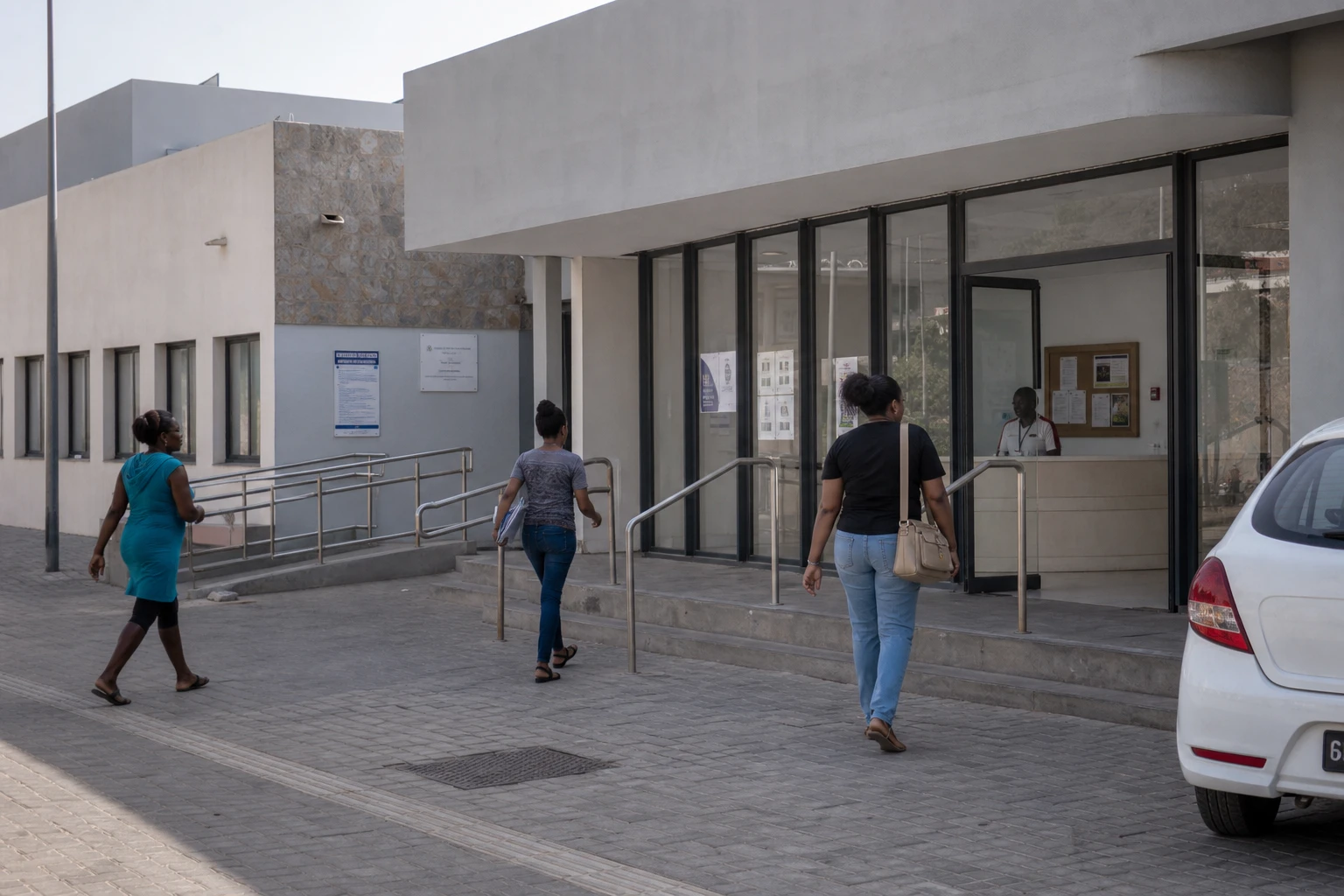
This artistic choice comes in a country that already has a precise legal framework. Cabo Verde adopted a special law against gender-based violence in 2011, and in recent years has strengthened its victim reception and support services, notably through specialist service desks and a support fund. In other words, the debate is no longer just a moral one: it is also institutional, social and practical.
What the album says, and what it reveals about the country
The starting point is music, but the issue extends far beyond the stage. Ceuzany Pires’s fourth album, Nô Tchal Tê Li, contains ten tracks and foregrounds stories of toxic relationships, loss of self and reclaiming power. One of the songs was conceived as a direct warning about domestic violence. Other tracks continue a thread already present in her career, with lyrics addressing addiction, mental health and the fragility of family ties.
Ceuzany Pires is no newcomer discovering a topical subject. For several years, she has given her songs a social focus. In 2023, her track Pedra Run denounced the impact of crack on young people in Cabo Verde. This continuity lends weight to her advocacy. She is not simply adding a new theme to her public image. Album by album, she is developing a voice as a citizen as well as an artist.
The issue particularly affects women, but it also concerns children, relatives and neighbourhood networks. Available public data and reports note that Cabo Verde has made the fight against gender-based violence an ongoing policy, with reporting services, contact lines and support services in the capital, Praia, as well as on São Vicente. In practice, however, access remains uneven, particularly when fear, economic dependence or family pressure keep victims away from institutions.
In this context, a popular artist can play a valuable role. She speaks to people who would not spontaneously turn to an official report or an institutional campaign. She puts a public health and justice issue into accessible language. That is often where music becomes a civic channel: it does not replace the law, but helps make it heard.
Praia, Mindelo and Cabo Verde’s place in West Africa
Cabo Verde, whose capital is Praia, belongs to ECOWAS, the Economic Community of West African States. The country occupies a distinctive position within the bloc: an island nation, Portuguese-speaking and relatively politically stable, yet fully engaged in regional dynamics of movement, social protection and integration. This position matters because violence against women, like other social issues, does not stop at maritime borders.
This distinctive position also explains the subject’s continental reach. Across West Africa, gender-based violence remains a major public policy challenge. Cabo Verde shows that a small country can build legal tools, support centres and a cultural voice aligned with prevention. It is not a perfect model, but it is a useful laboratory for the region.
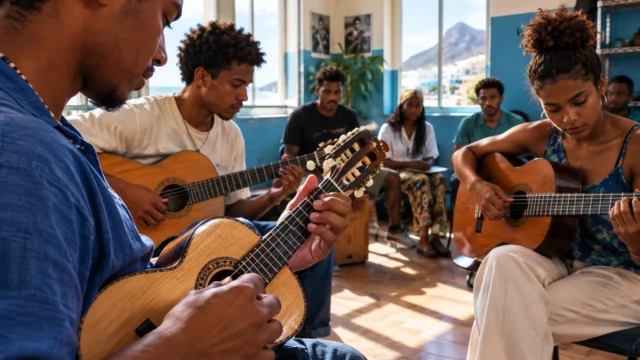
Cabo Verde’s music scene gives this effort particular force. In the archipelago, song remains a space for memory, language and transmission. Ceuzany Pires is part of this tradition while shifting it towards contemporary issues: domestic violence, mental health, addiction and social stigma. Her career says something about today’s Cabo Verdean society: a country that offers better protection than before, but continues to confront intimate wounds that are still too often hidden.
What happens next will depend on two fronts. On one, the ability of institutions to strengthen reception, reporting and support. On the other, the ability of artists, media and associations to keep the issue in the public eye without exhausting it. In Cabo Verde, as elsewhere in West Africa, it is often the alliance between these two forces that shifts the dial.