Algeria
 Egypt
 Libya
 Morocco
 Sudan
 Tunisia
 Benin
 Burkina Faso
 Cabo Verde
 Côte d'Ivoire
 Guinea
 Guinea-Bissau
 Liberia
 Mali
 Mauritania
 Niger
 Nigeria
 Senegal
 Sierra Leone
 The Gambia
 Togo
 Cameroon
 Central African Republic
 Chad
 DR Congo
 Equatorial Guinea
 Gabon
 Republic of the Congo
 São Tomé and Príncipe
 Burundi
 Comoros
 Djibouti
 Eritrea
 Ethiopia
 Kenya
 Madagascar
 Malawi
 Mauritius
 Mozambique
 Rwanda
 Seychelles
 Somalia
 South Sudan
 Tanzania
 Uganda
 Angola
 Botswana
 Eswatini
 Lesotho
 Namibia
 South Africa
 Zambia
 Zimbabwe
A programme changing course
In Accra, the page now turning is not about an abrupt exit, but a handover. After three years of emergency support, Ghana is entering a more demanding phase: proving it can manage its finances without direct disbursements, while retaining the confidence of markets, creditors and its own citizens.
This shift matters well beyond the technicalities. In West Africa, fiscal adjustments, debt restructurings and agreements with the International Monetary Fund remain closely watched signals, particularly within ECOWAS, where macroeconomic stability affects trade, imports and the cost of living.
The final review, followed by a new framework
On 27 July 2026, the International Monetary Fund’s Executive Board completed the sixth and final review of Ghana’s Extended Credit Facility programme, a 39-month arrangement approved in May 2023 for $3 billion. The decision paves the way for a final disbursement of about $371 million, or SDR 265.9 million, bringing total disbursements to about $3 billion.
On the same day, the institution also considered a request for a 36-month Policy Coordination Instrument, or PCI. This framework does not provide direct financing. Instead, it serves as a monitoring guide covering the fiscal path, state-owned enterprise governance, the monetary framework, financial stability and transparency. The shift from one to the other therefore marks the end of crisis mode and the start of oversight focused on consolidation.
This sequence did not come out of the blue. As early as May 2026, IMF staff had reached a staff-level agreement in Accra on the sixth review and the PCI. Ghana’s Ministry of Finance had already described this milestone as the programme’s final stage, before a new framework that would be less financial and more focused on standards.
What Ghana has repaired, and what it still needs to consolidate
The 2023 programme responded to a deep crisis. In 2022, Ghana suffered a sharp depreciation of the cedi, very high inflation, unsustainable debt and pressure on its external reserves. The IMF says reforms undertaken since then have brought significant stabilisation, supported by progress in restructuring public debt.
The latest indicators confirm this improvement, although it remains fragile. Annual inflation fell to 5.3% in June 2026, according to the Ghana Statistical Service. Gross international reserves stood at $14.4 billion on 18 May 2026, according to the Bank of Ghana. These gains give economic policy some breathing space, but they do not mean the constraints are over.
For Ghanaian households, the effects remain tangible. Disinflation is providing some relief with everyday purchases, but households have already absorbed several years of adjustment, including higher borrowing costs, fiscal discipline, tax reform and increases in the cost of some public services. For the state, the challenge is twofold: to preserve the balances achieved and prevent political easing from reopening financing imbalances.
Debt remains at the heart of the issue. Ghana’s Ministry of Finance said in 2025 and again in 2026 that the country was making progress with external restructuring, with several agreements concluded and steps still under way on some instruments. Completing these processes remains essential to easing the fiscal burden and restoring lasting access to external financing.
Accra under scrutiny, and West Africa too
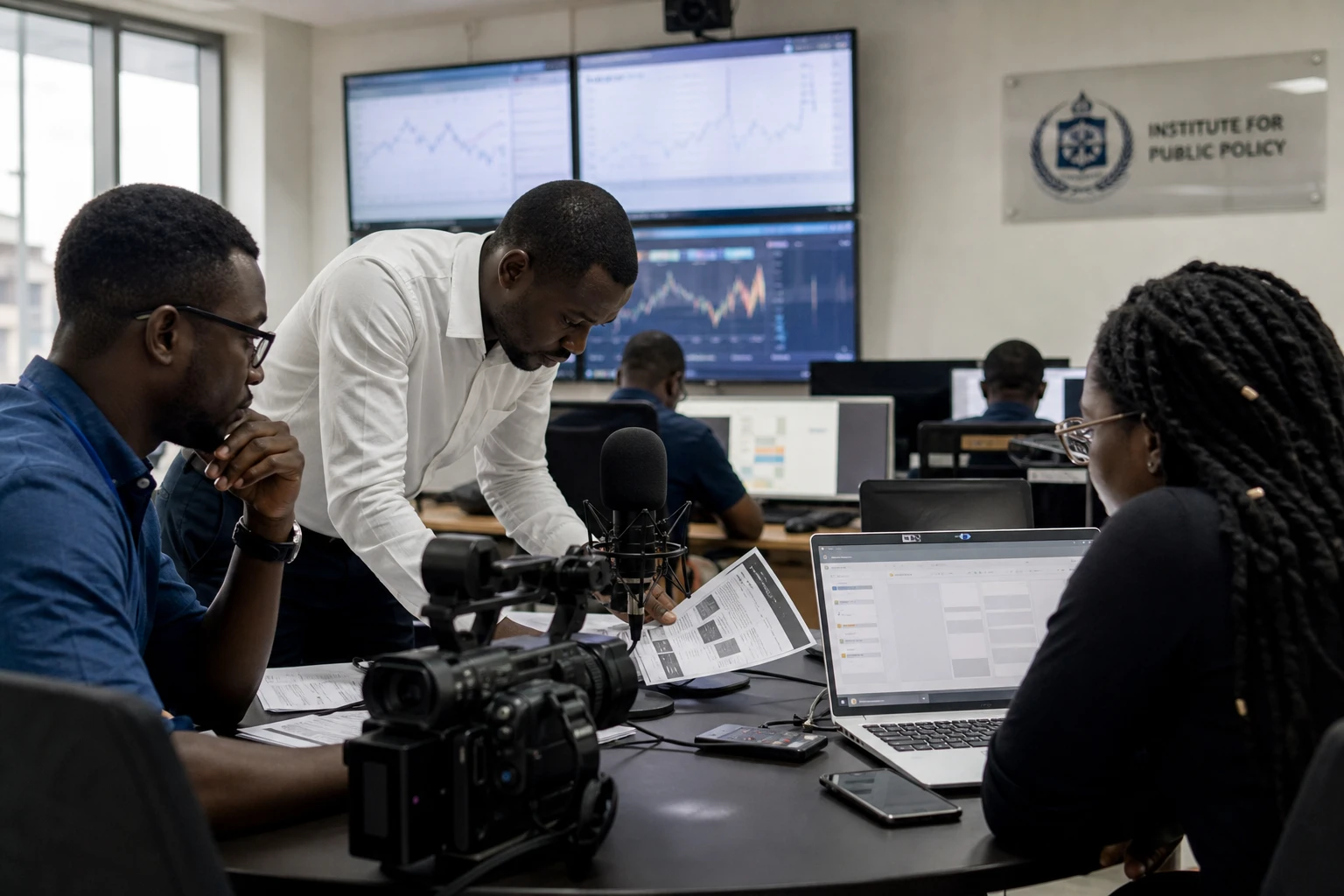
The new PCI puts the credibility of Ghana’s economic policy at the centre of attention. Without fresh money, Accra will have to show that it can meet its targets, publish consistent figures, contain risks linked to state-owned enterprises and prevent off-budget spending from undermining the gains made. The message is clear: confidence must now be earned through consistency, not urgency.
Regionally, the issue resonates across West Africa. Ghana is a benchmark economy within ECOWAS. When Accra stabilises its cedi, lowers inflation and secures its reserves, this affects investor expectations, import costs and regional perceptions of sovereign risk. Conversely, a rapid reversal would serve as a reminder to neighbours pursuing their own adjustments.
Ghana’s experience also says something broader about the continent. In several African countries, exiting an IMF programme does not mark the end of the debate, but the beginning of a political test: how to finance development, protect public services and restore fiscal sovereignty without slipping back into rapid borrowing. It is in this interval that the credibility of the recovery will be tested, in Ghana and elsewhere.
The coming months will show whether the current stabilisation takes hold or loses momentum. With the implementation of the PCI, continued fiscal reforms and the full completion of debt restructuring, attention in Accra, across ECOWAS and among continental partners will now focus on the Ghanaian state’s ability to turn financial calm into sustainable growth.