Algeria
 Egypt
 Libya
 Morocco
 Sudan
 Benin
 Burkina Faso
 Cabo Verde
 Côte d'Ivoire
 Ghana
 Guinea
 Guinea-Bissau
 Liberia
 Mali
 Mauritania
 Niger
 Nigeria
 Senegal
 Sierra Leone
 The Gambia
 Togo
 Cameroon
 Central African Republic
 Chad
 DR Congo
 Equatorial Guinea
 Gabon
 Republic of the Congo
 São Tomé and Príncipe
 Burundi
 Comoros
 Djibouti
 Eritrea
 Ethiopia
 Kenya
 Madagascar
 Malawi
 Mauritius
 Mozambique
 Rwanda
 Seychelles
 Somalia
 South Sudan
 Tanzania
 Uganda
 Angola
 Botswana
 Eswatini
 Lesotho
 Namibia
 South Africa
 Zambia
 Zimbabwe
A hilltop village long seen as a backdrop gets a new status
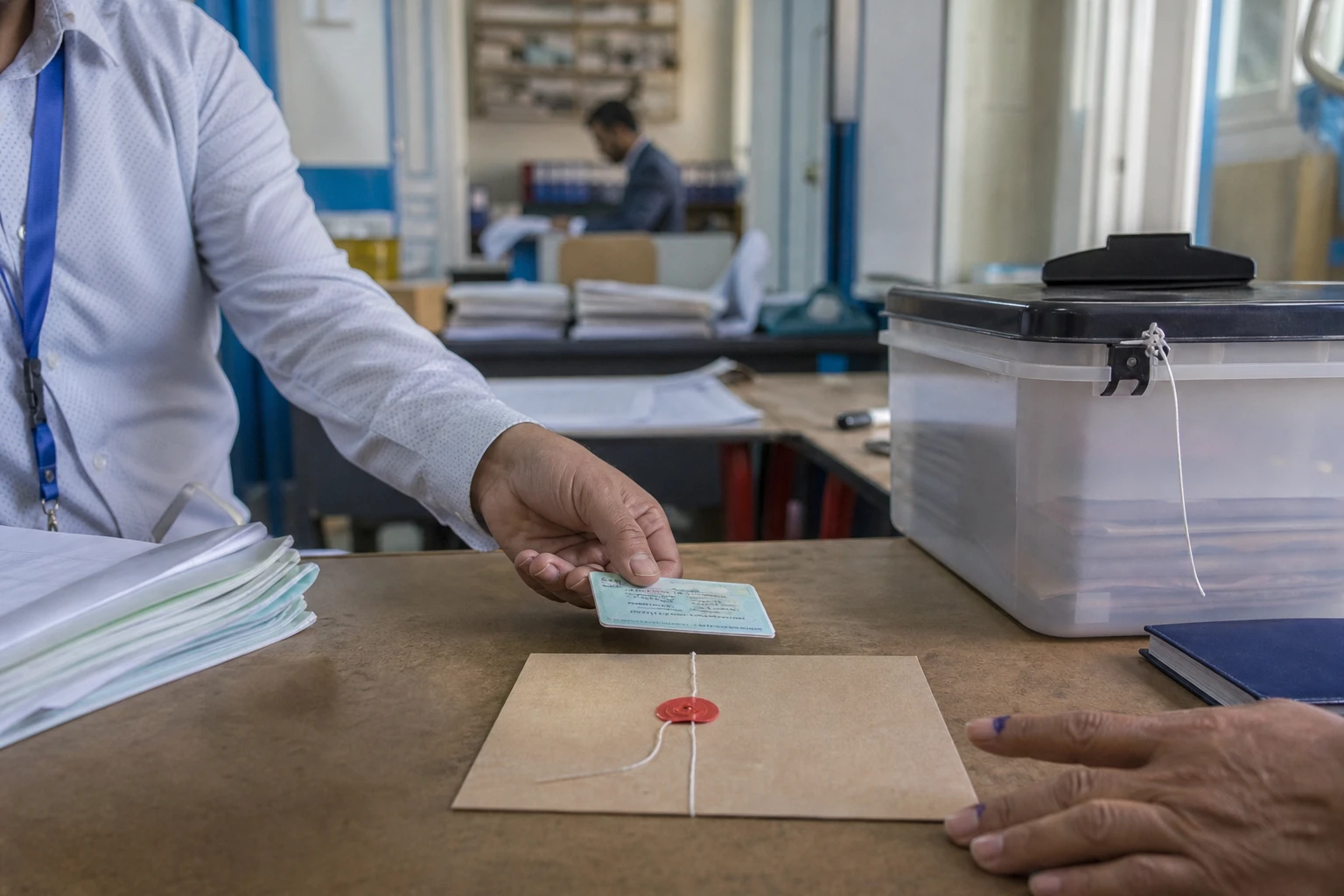
At Sidi Bou Saïd, the sea, the cliff and the white houses have often drawn attention before public policy. But behind the picture-postcard image, the site tells a distinctly Tunisian story shaped by Sufi spirituality, residential architecture and painstakingly built protection. The village’s inscription on the World Heritage List now gives this landscape a more demanding international framework, with monitoring and management obligations that go beyond simply promoting it as a tourist destination.
The nomination was examined during the 48th session of the World Heritage Committee, held in Busan, Republic of Korea, from 19 to 29 July 2026. The site was inscribed under criterion (iii), which recognises exceptional testimony to a cultural tradition or civilisation. UNESCO says the village developed around the mausoleum of the Sufi saint Abou Saïd Khalaf Ibn Yahya El Tamimi El Beji, known as Sidi Bou Saïd, and was later consolidated by successive dynasties before becoming a residential and holiday destination.
From Carthage to Sidi Bou Saïd, protection made clear at last
Until now, Sidi Bou Saïd fell within the boundaries of the Carthage archaeological site, inscribed in 1979. The new decision gives it a separate entry on the List, changing the hierarchy of responsibilities. The village is no longer simply an appendage to a large archaeological complex: it becomes a site in its own right, with its own protection framework, management plan and monitoring deadlines. UNESCO also notes that the site is protected under the 1915 Beylical decree and the 1985 decree, under the supervision of the National Heritage Institute, which is attached to the Ministry of Cultural Affairs.
This protection did not begin with UNESCO. It dates back to concerns about alterations raised as early as the beginning of the 20th century. The painter and musicologist Rodolphe d’Erlanger, who settled on the hill in 1912, had argued for preserving façades and regulating construction. The village thus bears the traces of a long-standing tension between heritage designation, residential use and pressure on land. The 2026 inscription does not create this tension; it makes it more visible and imposes tighter constraints.
The designated area covers 76.54 hectares, with a buffer zone of 84.44 hectares. UNESCO has also requested an implementation report for 2027. This matters. It means the site’s value cannot be reduced to the aesthetics of blue and white, but rests on a more fragile whole: the built fabric, active religious practices, visitor flows, and the balance between conservation and everyday life.
What the inscription means for Tunis, residents and the local economy
For the Tunisian state, the Busan decision carries clear symbolic weight. According to the Tunisian delegation, as reported by the TAP news agency, the country now has ten World Heritage sites, placing it among the Arab and African countries most represented on the List. UNESCO’s official record confirms, in any case, that Tunisia has a rich heritage portfolio, already comprising the medina of Tunis, Carthage, Dougga, Kairouan, Sousse, El Jem, Kerkouane, Ichkeul and Djerba, with Sidi Bou Saïd now added.
But the main issue is local. In a heavily visited village, the listing could help better regulate renovations, signage, traffic and changes of use. If poorly managed, however, it could accelerate heritage-led gentrification: homes become assets, permanent families move away, and everyday activity is reorganised around tourism. UNESCO already notes that economic trends have altered some residential uses. In other words, international recognition protects a site, but can also intensify the pressures transforming it.
The landscape itself remains vulnerable. ICOMOS, the advisory body responsible for evaluating cultural nominations, assessed the site’s integrity in light of tourism pressure, environmental risks and soil instability. Recent heavy rainfall has served as a reminder of the promontory’s fragility. At Sidi Bou Saïd, the cliff is not a backdrop: it poses a tangible risk to buildings, roads and infrastructure. Site management will therefore have to reconcile a global reputation with the very practical upkeep of slopes, networks and access routes.
A Tunisian recognition with Maghrebi and Mediterranean significance
The choice of criterion (iii) places Sidi Bou Saïd within a broader Mediterranean history. UNESCO highlights the phenomenon of “sanctuary villages”, where a saint’s spiritual authority coexisted with the patronage of a political power. This interpretation resonates across the southern Mediterranean shore, where many sites combine religious, residential and civic functions. It also shows that Maghrebi heritage is not limited to ancient ruins or medinas: it includes forms of settlement, social life and political legitimacy that remain visible today.
The Busan session also inscribed several African sites, a reminder that the continent’s place on the World Heritage List remains active, contested and diverse. Tunisia gains further visibility, but also joins a wider movement: African states seeking recognition for living historical landscapes, not just sites frozen in the past. For Tunis, the task is therefore not simply to celebrate an isolated heritage victory. Above all, it must maintain a balance between protection, transmission and local use, because that is where the real value of this inscription will be determined in the years ahead.