Algeria
 Egypt
 Libya
 Morocco
 Sudan
 Tunisia
 Benin
 Burkina Faso
 Cabo Verde
 Côte d'Ivoire
 Ghana
 Guinea
 Guinea-Bissau
 Liberia
 Mali
 Mauritania
 Niger
 Nigeria
 Sierra Leone
 The Gambia
 Togo
 Cameroon
 Central African Republic
 Chad
 DR Congo
 Equatorial Guinea
 Gabon
 Republic of the Congo
 São Tomé and Príncipe
 Burundi
 Comoros
 Djibouti
 Eritrea
 Ethiopia
 Kenya
 Madagascar
 Malawi
 Mauritius
 Mozambique
 Rwanda
 Seychelles
 Somalia
 South Sudan
 Tanzania
 Uganda
 Angola
 Botswana
 Eswatini
 Lesotho
 Namibia
 South Africa
 Zambia
 Zimbabwe
When a base closes, whole lives are thrown into uncertainty
In Dakar, the end of a foreign military presence was marked not only by flags being lowered and handover ceremonies. It also left behind a very concrete question: what becomes of the civilian employees who worked for years at these facilities, often with rare skills and heavy family responsibilities? In Senegal, the issue directly affects households now living with debt, rent arrears and little certainty about the future.
The Senegalese case is part of a broader reshaping of the French presence in West Africa. The French Forces in Senegal, based in Dakar as a regional cooperation hub, covered an area extending across several ECOWAS countries, the Economic Community of West African States. Their withdrawal follows a series of departures or reductions in footprint in Mali, Burkina Faso, Niger, Chad and Côte d’Ivoire, against a backdrop of several African capitals asserting their sovereignty.
In Senegal, 162 civilian employees lost their jobs when the facilities closed
In Dakar, the French command announced the collective dismissal of 162 Senegalese employees with effect from 1 July 2025, following the closure of French facilities. APS reported that a jobs forum had been organised in Ouakam for those facing dismissal, with about 70 companies offering 300 positions. Paris also announced a €1.5 million package to support the redundancy plan.
The most visible symbol was the handover of the Ouakam base in July 2025, which marked the end of permanent French bases in Senegal. The decision followed a position openly stated by the Senegalese authorities, who said they no longer wanted permanent foreign forces on national territory. Military cooperation is not disappearing, but it is changing form: it is becoming more occasional, more tightly framed and less visible in public spaces.
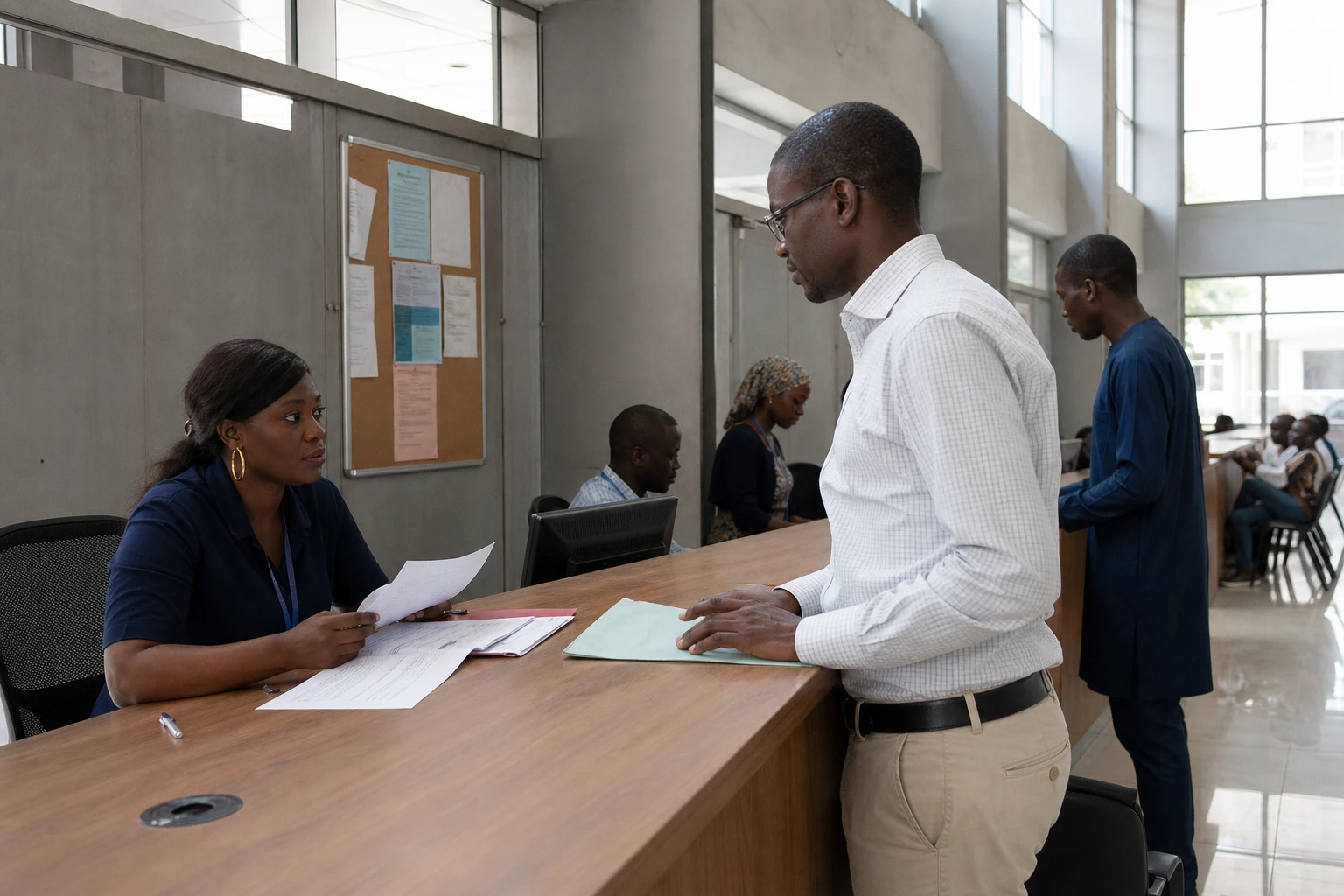
For the employees concerned, the difficulty is not just losing a job. It is also the collapse of an ecosystem. The former workers were technicians, accountants, mechanics, cooks, IT specialists or telecommunications experts. In many cases, they built up specific expertise that cannot readily be transferred to an already strained Senegalese labour market. APS had previously indicated that the planned job cuts affected a long-standing local workforce, reinforcing the scale of the social shock.
What the Senegalese state must weigh: redeployment, social justice and credibility
The heart of the issue is now in Dakar. Former employees are calling for redeployment in public services or national companies, stressing that they are qualified and have solid experience. Their demand raises a simple question: should the market be left to absorb these workers, or should the state organise a response commensurate with the shock caused by the bases’ closure? In a country where the formal sector hires slowly, the second option seems the most realistic for those most exposed.
The effects vary. For families, lost wages quickly mean rent arrears, difficulty covering school fees and, in some cases, bank loans to repay without a stable income. For banks, the risk is a weakened loan portfolio. For the Senegalese state, the stakes are political as well as social: it must show that its stated commitment to sovereignty is not limited to a diplomatic gesture, but also protects the workers who kept these bases running for decades.
In several countries in the region, the same sequence has had comparable effects, but under different institutional frameworks. In Niger, employees of French and US bases were also affected; in Côte d’Ivoire, partial redeployment was discussed; in Chad, reintegration plans remained unclear, according to several leading media outlets. This range of experiences shows that closing a base has implications beyond the military. It also takes away jobs, services and administrative routines that often remain invisible until they disappear.
A Senegalese episode with implications beyond Dakar
Senegal is a case study for West Africa. On the one hand, it shows that a state can take back control of a foreign military presence without a complete diplomatic break. On the other, it is a reminder that any withdrawal must be prepared socially; otherwise, sovereignty becomes a cost borne by employees rather than a benefit shared by the population. ECOWAS, already undergoing profound changes following the breaks with Mali, Burkina Faso and Niger, will inevitably be watching this kind of transition closely.
The implications extend across the continent. France’s withdrawal from Senegal adds to a broader redefinition of security partnerships in Africa, where several governments now want agreements that are less asymmetric, more temporary and clearer to their publics. For Dakar and other African capitals, the next step will not be solely about security. It will also be social, testing whether states can absorb the human consequences of strategic decisions made in the name of sovereignty.