Algeria
 Egypt
 Libya
 Morocco
 Sudan
 Tunisia
 Benin
 Burkina Faso
 Cabo Verde
 Côte d'Ivoire
 Ghana
 Guinea
 Guinea-Bissau
 Liberia
 Mali
 Mauritania
 Niger
 Nigeria
 Senegal
 Sierra Leone
 The Gambia
 Togo
 Cameroon
 Central African Republic
 Chad
 DR Congo
 Equatorial Guinea
 Gabon
 Republic of the Congo
 São Tomé and Príncipe
 Burundi
 Djibouti
 Eritrea
 Ethiopia
 Kenya
 Madagascar
 Malawi
 Mauritius
 Mozambique
 Rwanda
 Seychelles
 Somalia
 South Sudan
 Tanzania
 Uganda
 Angola
 Botswana
 Eswatini
 Lesotho
 Namibia
 South Africa
 Zambia
 Zimbabwe
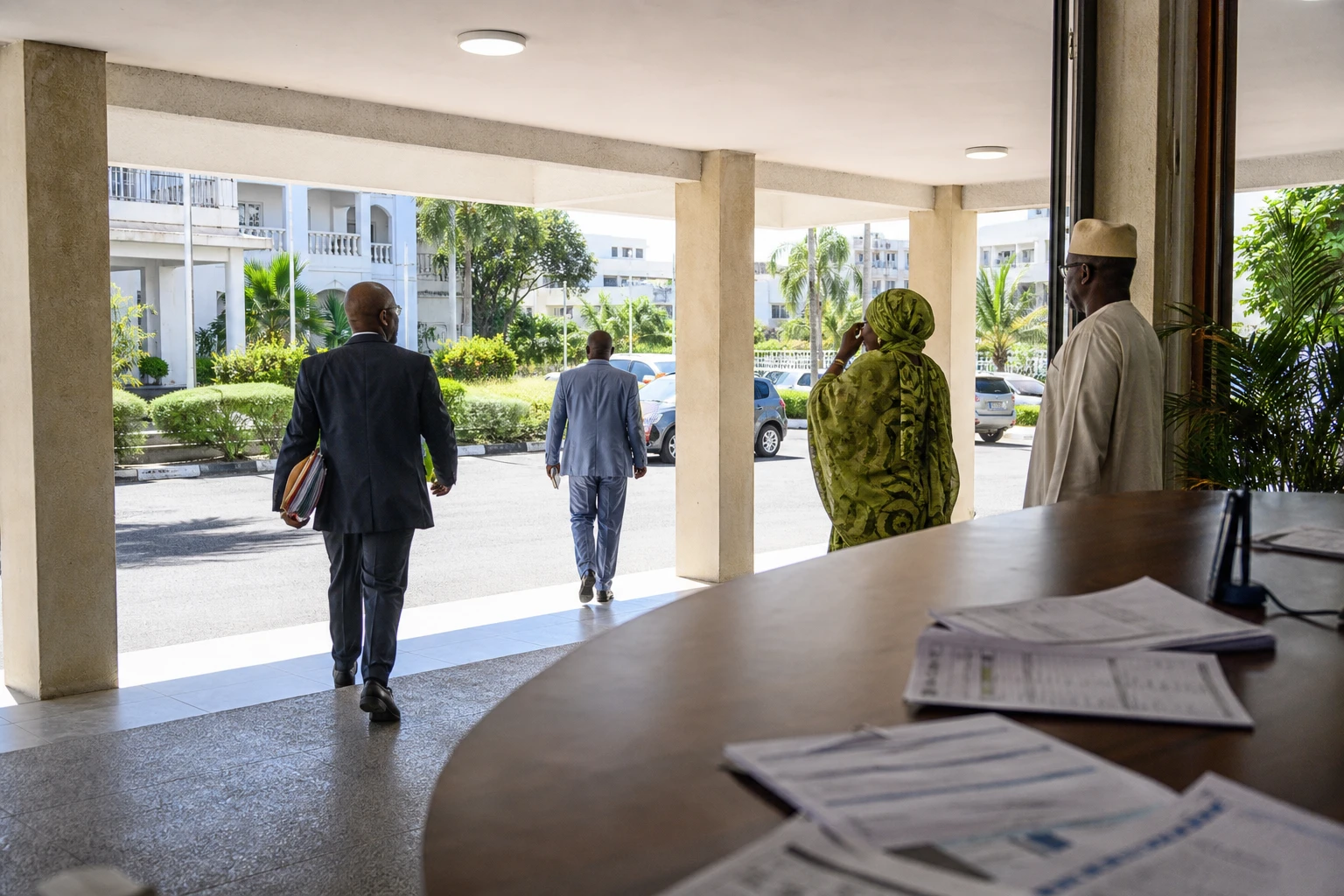
Moroni tense over a decision-making centre that has become too visible
In the Comoros, power struggles are played out not only at the ballot box or in the streets. They also unfold in the shadows of offices, where files are decided before they even reach the Council of Ministers. This time, unease is directed squarely at the workings of the executive in Moroni, with one simple question in the background: who really steers public policy in the Union of the Comoros?
The issue takes on particular significance in a country where the presidency holds most executive power, and where institutional balances have remained sensitive since the contested reforms of 2018 and the 2024 electoral cycle. The African Union observed the January 2024 presidential and gubernatorial elections in Moroni, a sign that the Comorian political scene continues to be closely watched across the continent.
Internal accusation puts government on the defensive
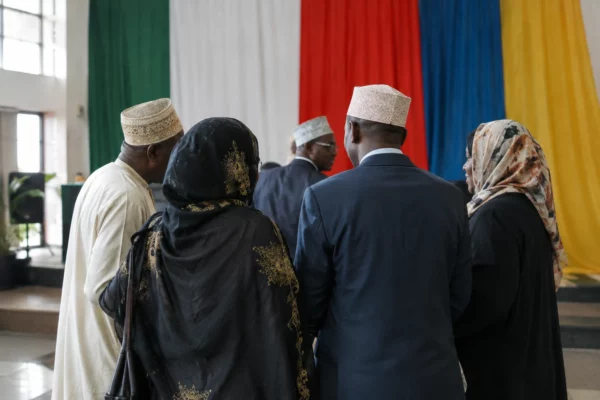
The controversy began with remarks by Mahmoud Salim Hafi, a former minister and former deputy secretary-general of the government. He said that 14 of the 15 ministers had signed a letter to President Azali Assoumani denouncing obstacles allegedly caused by Nour El Fath Azali, secretary-general of the government and the head of state’s son. The claim was made public on 22 July 2026, but the document had not been released at that point.
In response to the accusations, ministers appearing before the press presented a united front. Environment Minister Abubakar Ben Mahmoud denied that any such revolt had taken place and challenged its author to publish the letter. The response shows that the government chose a political counterattack rather than silence, a sign that the episode touches a sensitive nerve at the top of the state.
At the same time, the presidency continues to promote a focus on performance and accountability. On 9 April 2026, Azali Assoumani handed letters of mission to members of the government at Beit-Salam, the presidency of the Union of the Comoros, stressing ministers’ responsibility and the importance of transparency. This official messaging contrasts with the image of an executive suspected of being constrained by overly personalised coordination.
What the controversy reveals about how the Comorian state works
Beyond the immediate dispute, the affair points to something broader: the fragility of the decision-making chain. When a secretary-general of the government is described as an unavoidable filter, ministers may feel reduced to carrying out decisions already made elsewhere. In an administrative system with limited resources, this perception can quickly affect timelines, the circulation of memoranda, the signing of decrees and the clarity of public policy.
The opposition immediately seized on the opportunity. Daoudou Abdallah Mohamed, president of the Orange party, sees it as proof of deep unease and of power being concentrated in the hands of one person. This interpretation is part of a longer-running debate in the Comoros, where questions of family governance, control of the state apparatus and the actual role of ministers regularly return to public discussion.
The national context adds to this sense of tension. Since Azali Assoumani’s re-election in January 2024 and the renewal of Parliament in 2025, the presidential majority has had a solid political base. But an electoral majority does not eliminate tensions over implementation. It may even conceal them for longer, creating the illusion of a united bloc while internal rivalries shift to the corridors of power.
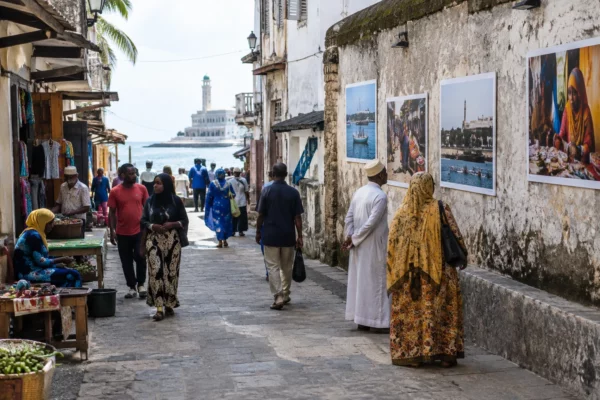
For the population, the stakes are tangible. When decisions are delayed, local projects, sectoral budgets, administrative decisions and responses to everyday emergencies are held up. In Moroni and on the other islands, people continue to expect basic services from the state, against a backdrop in which the president himself has identified economic sovereignty, infrastructure and energy as priorities for his second half-century.
A Comorian episode that matters for the region too
The significance of this affair extends beyond the archipelago. The Comoros occupies a distinctive place in the Indian Ocean region and in African discussions on institutional stability. The African Union closely follows Comorian electoral processes, while the island remains exposed to the effects of overly personalised governance on public trust, investment and the country’s external image.
The controversy is also a reminder that political crises do not always begin with a dramatic seizure of power. They can stem from a coordination dispute, a demand to publish a letter, or suspicions that the state apparatus is being captured. In the Comoros, what happens next will depend above all on one point: will the presidency seek to quell the controversy through institutional clarification, or allow the matter to fade amid a communications battle? Until then, Moroni remains at the centre of an equation involving political loyalties, administrative operations and expectations of effective public services.