Algeria
 Egypt
 Libya
 Morocco
 Sudan
 Tunisia
 Benin
 Burkina Faso
 Cabo Verde
 Côte d'Ivoire
 Ghana
 Guinea
 Guinea-Bissau
 Liberia
 Mali
 Mauritania
 Niger
 Nigeria
 Senegal
 Sierra Leone
 The Gambia
 Togo
 Cameroon
 Chad
 DR Congo
 Equatorial Guinea
 Gabon
 Republic of the Congo
 São Tomé and Príncipe
 Burundi
 Comoros
 Djibouti
 Eritrea
 Ethiopia
 Kenya
 Madagascar
 Malawi
 Mauritius
 Mozambique
 Rwanda
 Seychelles
 Somalia
 South Sudan
 Tanzania
 Uganda
 Angola
 Botswana
 Eswatini
 Lesotho
 Namibia
 South Africa
 Zambia
 Zimbabwe
In Am Dafock, the border looms larger than the rainy season
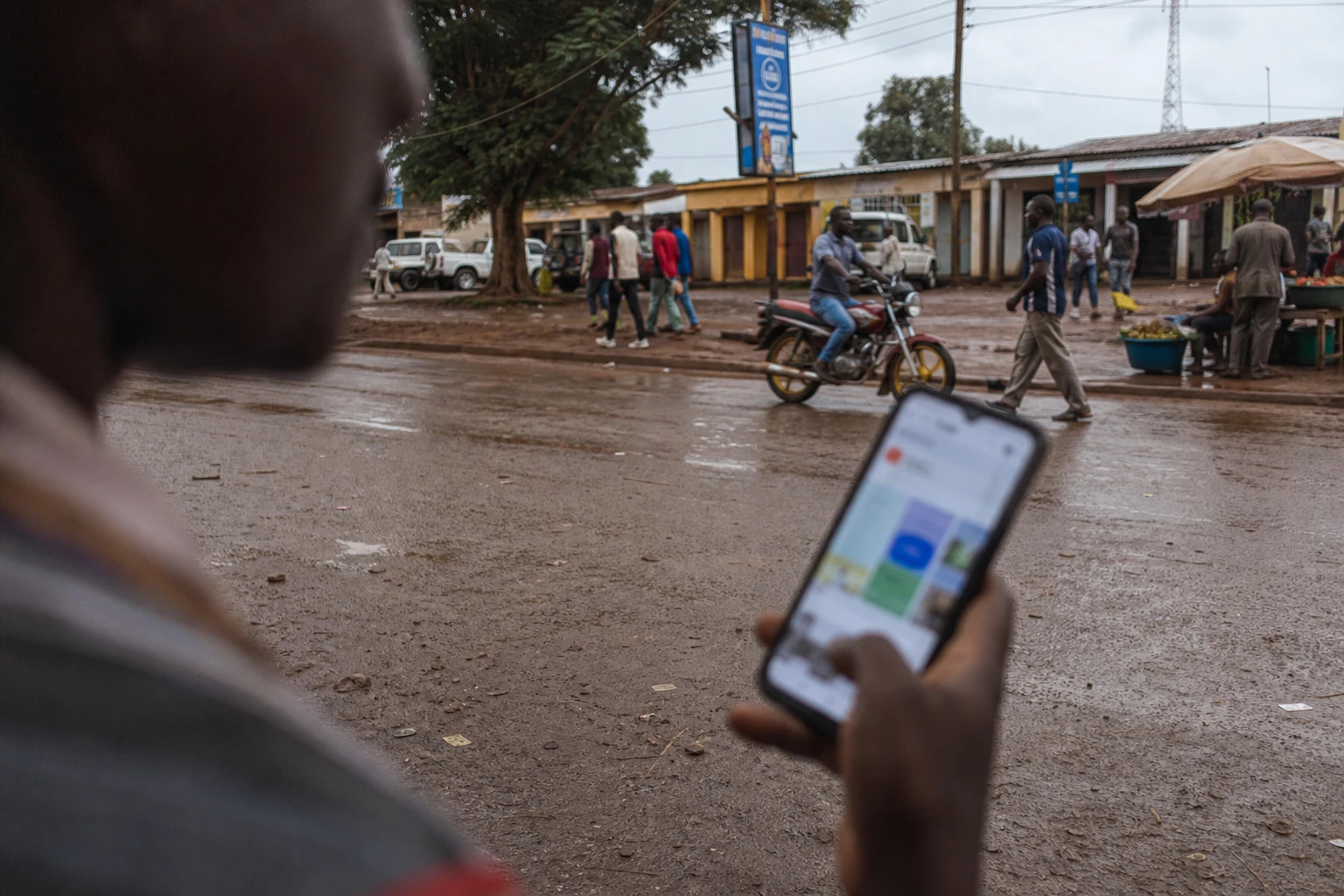
In Am Dafock, in Vakaga, recovery is not first seen in speeches. It is visible in the carts returning to the fields, in the market reopening and in the cautious steps of those still crossing an area where the border with Sudan remains porous. In this part of the north-east of the Central African Republic, daily life depends as much on the rains as on the balance of armed power.
The locality is also living with a factor that has become central since the war in Sudan began in April 2023: border areas of the Central African Republic serve as refuge, transit routes and, at times, flashpoints. In Birao and around Am Dafock, the influx of Sudanese refugees and the movement of armed groups have increased pressure on a region already poorly served by public services.
A brutal attack, followed by heightened security tensions
On 30 June 2026, Am Dafock came under an armed attack that unsettled an already fragile balance. According to information corroborated by the United Nations and several media outlets, armed men took control of the town for part of the day. The UN mission later referred to a coalition of members of the Popular Front for the Renaissance of the Central African Republic, the Democratic Movement for the Central African Republic People’s Rally and other unidentified fighters.
Casualty figures varied according to the sources. A local source quoted on 1 July reported deaths, injuries and about 30 houses burned or looted, while the authorities had yet to issue a consolidated toll at that point. The figures should therefore be treated with caution, as the disruption of telephone networks limited verification on the ground.
In the days that followed, the United Nations said about 1,000 people displaced from villages around Am Dafock had sought refuge in Birao. The organisation also reported that the town’s only health facility had been looted, while the main road had become impassable because of the rainy season. In other words, the attack did not just cause a security shock: it also disrupted access to healthcare, water and shelter.
To contain the crisis, MINUSCA strengthened its logistical and security support in coordination with the Central African Armed Forces. The mission says it enabled the local administration to resume work by setting up office space at its operational base, allowing the sub-prefect to continue providing public services. Joint patrols in the area have also been stepped up.
Vakaga, where the Sudan crisis meets Central African sovereignty
What is at stake in Am Dafock goes beyond the security of a single border town. Vakaga is one of the most sensitive gateways into the Central African Republic, with routes that are difficult to control and an uneven state presence. In these areas far from Bangui, authority is measured by the ability to keep a school open, a health centre functioning, an administrative office staffed and a road passable.
For several months, local dialogue initiatives and community peace mechanisms had brought a relative lull. Before the 30 June attack, MINUSCA had even reported that a local peace agreement in Am Dafock was being respected, following missions in early June involving administrative authorities, community leaders and civil society representatives. This period shows that border stability depends as much on local mediation as on a military presence.
The border with Sudan nevertheless remains vulnerable to spillover. When the war intensifies on the other side, armed groups move more easily, rumours spread quickly and residents live in expectation of another incursion. This uncertainty is what fuels fear in Am Dafock: not only the attack that has already happened, but also the prospect that it could happen again.
The population pays the most immediate price. Farmers sometimes have to venture further afield without knowing whether the roads will remain safe. Traders face disrupted movement. Displaced families find themselves in Birao, where resources are already under considerable strain from hosting Sudanese refugees. At the same time, the Central African state must show that it is not ceding ground, because in these areas the prolonged absence of public services fuels trafficking, armed groups and forced displacement.
A regional warning for the Central African Republic, CEMAC and Central Africa
Am Dafock is a reminder that the war in Sudan is not confined to Sudan. It is reshaping the balance across the Sahelo-Sudanese belt and weighing on neighbouring states, including the Central African Republic, a member of CEMAC, the Economic and Monetary Community of Central Africa. When a border becomes a secondary front, the effects spread to markets, population movements and local security.
Bangui faces a twofold challenge. It must protect civilians and maintain state authority without turning the area into a purely militarised corridor. It must also manage relations with host communities and refugees, who should not be reduced to a risk factor when they too are suffering from regional violence. A lasting response requires security, but also water, healthcare, roads and administration.
The continental significance is clear. The Am Dafock crisis illustrates a scenario now familiar in Central Africa: a neighbouring conflict crosses the border, destabilises a peripheral area, demands a swift humanitarian response and requires regional organisations and the United Nations to support states. The key issues to watch now are whether the security arrangements in Vakaga hold, whether the local administration can continue to function and whether those involved can prevent another offensive from plunging the town back into violence.