Algeria
 Egypt
 Libya
 Morocco
 Sudan
 Tunisia
 Benin
 Burkina Faso
 Cabo Verde
 Côte d'Ivoire
 Ghana
 Guinea
 Guinea-Bissau
 Liberia
 Mali
 Mauritania
 Niger
 Nigeria
 Senegal
 Sierra Leone
 The Gambia
 Togo
 Cameroon
 Central African Republic
 Chad
 Equatorial Guinea
 Gabon
 Republic of the Congo
 São Tomé and Príncipe
 Burundi
 Comoros
 Djibouti
 Eritrea
 Ethiopia
 Kenya
 Madagascar
 Malawi
 Mauritius
 Mozambique
 Rwanda
 Seychelles
 Somalia
 South Sudan
 Tanzania
 Uganda
 Angola
 Botswana
 Eswatini
 Lesotho
 Namibia
 South Africa
 Zambia
 Zimbabwe
When a virus moves faster than health teams
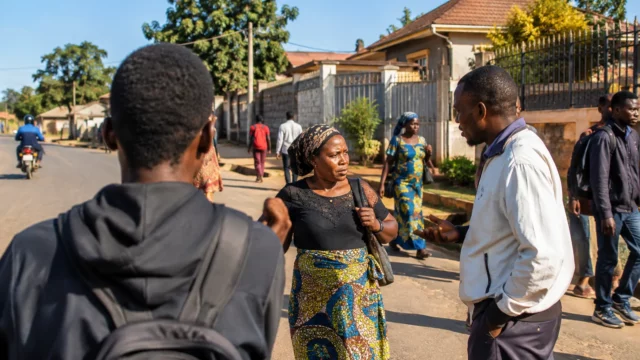
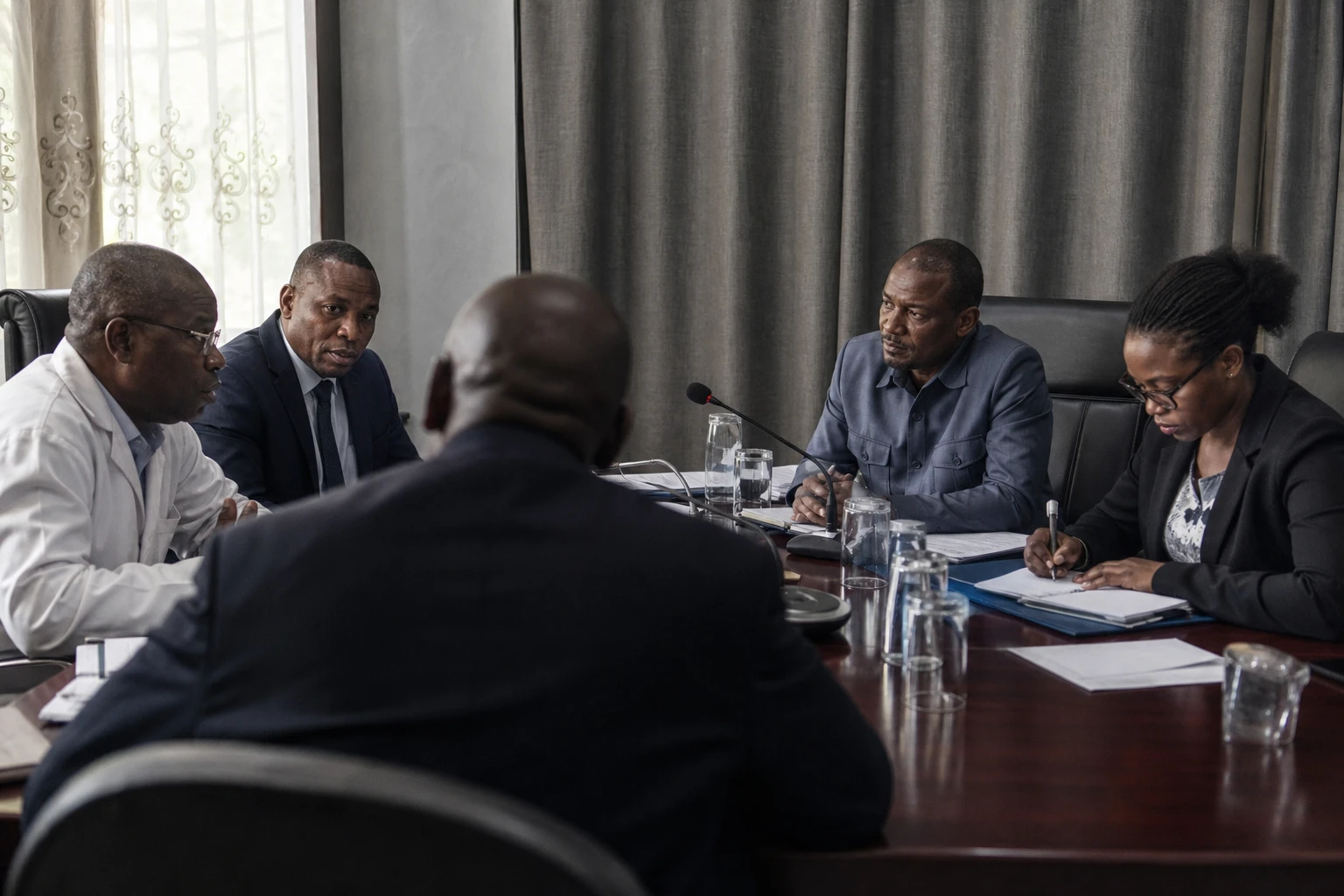
In eastern Democratic Republic of the Congo, the disease is measured not only in figures. It is also measured in blocked roads, patients arriving late and health workers operating under pressure. In Bunia and surrounding areas, the Ebola response is unfolding in an environment where access, security and trust matter as much as medicine.
The country is experiencing its 17th Ebola outbreak since 1976. This one is caused by the Bundibugyo virus, a strain different from the better-known Zaire strain, for which there is currently neither an approved vaccine nor a validated specific treatment. The World Health Organization has also warned that the outbreak is developing amid a humanitarian crisis, high population mobility and persistent insecurity.
An outbreak monitored at regional level
The outbreak was confirmed in mid-May 2026 in the country’s north-east, and was then classified by the WHO as a public health emergency of international concern. On the same day, Africa CDC declared a continental public health emergency, an African Union coordination mechanism designed to mobilise member states in response to a cross-border health threat.
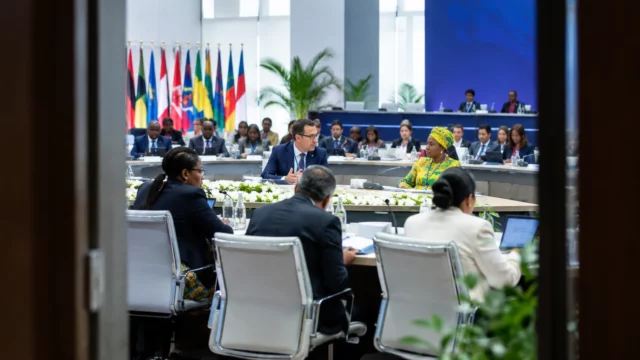
The Congolese response is therefore part of a framework broader than Ituri alone. Health authorities in Kinshasa, provincial teams, the WHO, Africa CDC and several bilateral partners have organised a joint response. This regional approach reflects the movement of people between Ituri, North Kivu, South Kivu, Haut-Uele and Tshopo, as well as links with Uganda and, further south, South Sudan.
The figures have changed, and so has the situation
Official data have changed rapidly. As of 14 July 2026, the WHO reported 2,124 confirmed cases and 828 deaths in DR Congo, with cases reported in 46 health zones across five provinces: Ituri, North Kivu, South Kivu, Haut-Uele and Tshopo. The organisation also said that 390 patients had recovered.
A few days earlier, Congolese authorities had already reported 2,011 confirmed cases and 754 deaths, before the toll rose again. As of 18 July, the Congolese health ministry’s surveillance platform listed the Ebola/Bundibugyo outbreak as an active event, with its latest update dated 18 July 2026. These changes do not simply reflect an error: they result both from new cases being identified, the expansion of surveillance and the difficulty of reaching all affected areas.
Behind the curve, another signal is alarming epidemiologists: transmission is still occurring in part outside healthcare facilities. The WHO has said that the spread of the virus is being driven by chains of infection that are difficult to trace, deaths in communities and gaps in infection prevention at some health centres.
Why the response remains under pressure
The main obstacle is not only medical. It is also security-related and social. In eastern DR Congo, population movements, mining economies, conflict-related returns by displaced people and distrust of response teams complicate contact tracing. The WHO notes that insecurity, population density and the presence of many informal healthcare providers make the response more fragile than a straightforward technical deployment might suggest.
Congolese authorities, for their part, have strengthened political coordination. President Félix-Antoine Tshisekedi Tshilombo has convened a national task force several times, with the Ministry of Health and the INRB, the National Institute of Biomedical Research based in Kinshasa, in attendance. The national response plan was announced at $319 million, of which $20 million was urgently disbursed by the state, signalling a genuine budgetary effort in a country where health crises often overlap with other emergencies.
On the ground, this mobilisation does not have the same effects for everyone. For residents of cities such as Bunia, the priority is rapid access to diagnosis, transport and case isolation. For more remote villages, access remains the primary obstacle. For health workers, the risk is direct. The WHO has highlighted that several health workers were affected early in the outbreak, putting pressure on hospitals’ ability to retain their staff and maintain community trust.
What this outbreak says about African health security
This outbreak is a reminder of a continental reality: a local health crisis can become regional within days when borders are porous and health services are unevenly prepared. That is precisely why Africa CDC declared a continental health security emergency. Public health is no longer confined to one country, let alone one province. It also depends on coordination between neighbours, data sharing, surveillance at points of entry and swift joint decisions.
DR Congo nevertheless has a rare asset on the continent: extensive expertise in fighting Ebola, built up over seventeen successive outbreaks. The authorities in Kinshasa are also highlighting clinical research launched in Bunia and the strengthening of diagnostic tools, as the WHO added the first diagnostic test for Bundibugyo Ebola to its emergency use list in July 2026. The challenge now is to turn this scientific lead into sustained epidemic control before geographical expansion makes the response even more costly.
For Central Africa and DR Congo’s neighbouring countries, the immediate next steps will hinge on three fronts: cross-border surveillance, protection of health facilities and the ability to maintain community engagement. Across Africa, the outbreak confirms that no country can face alone a virus that moves with the region’s population flows, conflicts and economic networks.