Aljeria
 Libya
 Misri
 Moroko
 Sudan
 Tunisia
 Benin
 Burkina Faso
 Gambia
 Ghana
 Gine
 Ginebisau
 Kepuvede
 Kodivaa
 Liberia
 Mali
 Moritania
 Niger
 Nigeria
 Senegal
 Sierra Leone
 Togo
 Chadi
 Gaboni
 Guinea ya Ikweta
 Jamhuri ya Afrika ya Kati
 Jamhuri ya Kidemokrasia ya Kongo
 Kamerun
 Kongo
 Sao Tome na Principe
 Burundi
 Eritrea
 Jibuti
 Kenya
 Komoro
 Madagaska
 Malawi
 Morisi
 Msumbiji
 Rwanda
 Shelisheli
 Somalia
 Sudan Kusini
 Tanzania
 Uganda
 Afrika Kusini
 Angola
 Botswana
 Eswatini
 Lesoto
 Namibia
 Zambia
 Zimbabwe
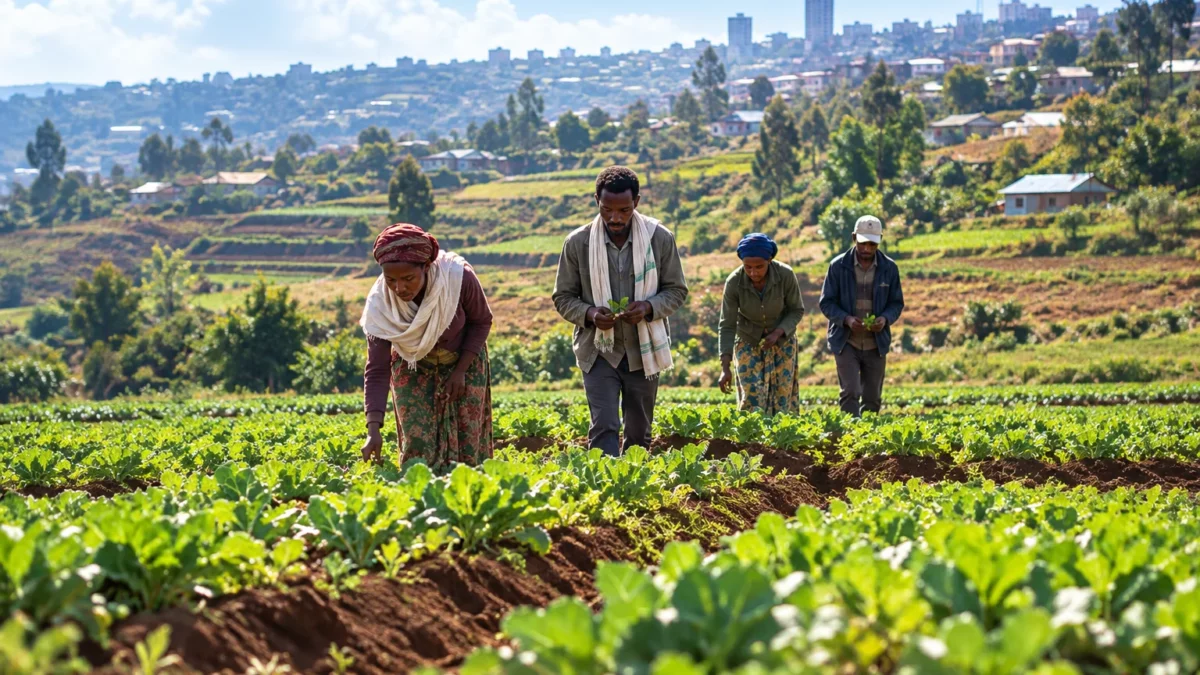
For countries in the Horn of Africa, climate adaptation is not a matter for theoretical debate: it depends on accessible funding, early-warning systems and resources to protect farming activities. In Antalya, these priorities ran up against disagreements between states over fossil fuels and financial assistance. The next meeting, in Addis-Ababa, now falls to Ethiopia to host.
A disagreement that goes beyond oil
COP is the annual conference of countries that have signed the United Nations Framework Convention on Climate Change. It is intended to enable negotiations on common decisions, but key texts require consensus. In Antalya, Türkiye, delegations failed to agree on the overall political text proposed at the closing session on 22 November 2026.
The deadlock crystallised around two related issues. On one side, several countries and the European Union called for an explicit reference to reducing the use of coal, oil and gas. On the other, disagreements persisted over climate finance, particularly resources intended to help countries adapt to the effects of global warming. The final draft did not meet the demands of either camp.
The Australian presidency of the negotiations confirmed that there was no global agreement. This does not mean that all COP decisions failed: texts made progress on some issues, and previous commitments remain in force. But the most contested questions have been deferred to subsequent discussions. Simon Stiell, Executive Secretary of the Climate Convention, said he shared the delegations’ disappointment, while emphasising that decisions had been taken on other matters, including a just transition.
African priorities still lack an adequate response
For the African Group of Negotiators, the problem is not limited to the absence of a reference to fossil fuels. At the closing session, its chair, Antwi-Boasiako Amoah, also challenged the way some texts had been prepared and presented. The group said its positions on long-term financing and climate action had not been sufficiently taken into account.
This response reflects a specific demand: to secure predictable, accessible resources suited to the needs of African countries. Governments must finance infrastructure and resilience policies; farmers, livestock keepers and local communities need practical solutions to cope with climate hazards. Without money available at the right time, international announcements are difficult to turn into protection on the ground.
The African Group also questioned the reliability of the methods used to assess some climate finance. The debate is therefore about the amounts announced, but also about how they are counted and how their disbursement is verified. For recipient countries, this transparency is essential to trust in the commitments made by developed countries.
The African perspective is not limited to calling for funds. The African Union also advocates access to technology, training, renewable energy and a just transition that expands access to affordable energy and creates jobs. The aim is to reduce emissions without closing off development pathways. These priorities concern countries in different circumstances; they do not constitute an identical programme for the entire continent.
In Ethiopia, diplomacy must meet local realities
Ethiopia will host COP32 in Addis-Ababa from 8 to 19 November 2027. The UN has accepted the Ethiopian government’s offer. The country will therefore have to host delegations and help bring unresolved issues back to the table. The diplomatic responsibility will be significant, although Ethiopia cannot impose a compromise on other states by itself.
The conference will take place in a national and regional context in which adaptation is central. As a member of the Intergovernmental Authority on Development (IGAD), the regional organisation for the Horn of Africa, Ethiopia shares cross-border risks with its neighbours. In April 2026, IGAD and its regional climate prediction centre worked with member states on a resilience programme for the region, focusing in particular on agriculture, early warning and natural resource management.
These challenges affect different populations in different ways. Cities need services and infrastructure able to withstand hazards; rural areas depend more heavily on water, land and agricultural calendars. Priorities also vary among government agencies, small businesses and households whose incomes depend on climate-sensitive activities. An effective adaptation policy must therefore combine national investment, regional cooperation and international finance.
Hosting the conference could give African priorities greater visibility and create opportunities for cooperation. But the role also brings expectations: to show that discussions can lead to results that are followed up, rather than just declarations. Before Antalya, the African Union had already called for adaptation, finance and implementation to be placed at the heart of the road to Addis-Ababa.
The roadmap to Addis, the first test
Antalya did not erase the earlier COP28 decisions, which called for a transition away from fossil fuels. The disagreement now concerns how to turn that commitment into a concrete pathway, and how to share the costs. Hydrocarbon-exporting countries defend their economic interests; countries highly exposed to climate impacts are asking for the transition to be accompanied by financial support and accessible energy solutions.
A draft text submitted in Antalya proposed an “Antalya-to-Addis-Ababa roadmap” on financing adaptation and resilience. Since the overall political text was not adopted, this proposal should not be presented as an agreed decision. Its revival and content will have to be confirmed in the preparatory work for COP32.
The next meeting will not, by itself, guarantee an agreement. It will, however, show whether governments can clarify financial needs, improve access to funds and bring discussions on adaptation and fossil fuels closer together. For Ethiopia, the challenge will be to make Addis-Ababa a place where African priorities are negotiated in advance and followed by verifiable results.