Algeria
 Egypt
 Libya
 Morocco
 Sudan
 Tunisia
 Benin
 Burkina Faso
 Cabo Verde
 Côte d'Ivoire
 Ghana
 Guinea
 Guinea-Bissau
 Liberia
 Mali
 Mauritania
 Niger
 Nigeria
 Senegal
 Sierra Leone
 The Gambia
 Togo
 Cameroon
 Central African Republic
 Chad
 DR Congo
 Equatorial Guinea
 Gabon
 Republic of the Congo
 São Tomé and Príncipe
 Burundi
 Comoros
 Djibouti
 Eritrea
 Ethiopia
 Kenya
 Madagascar
 Malawi
 Mauritius
 Mozambique
 Rwanda
 Seychelles
 Somalia
 South Sudan
 Tanzania
 Uganda
 Angola
 Botswana
 Eswatini
 Lesotho
 Namibia
 South Africa
 Zambia
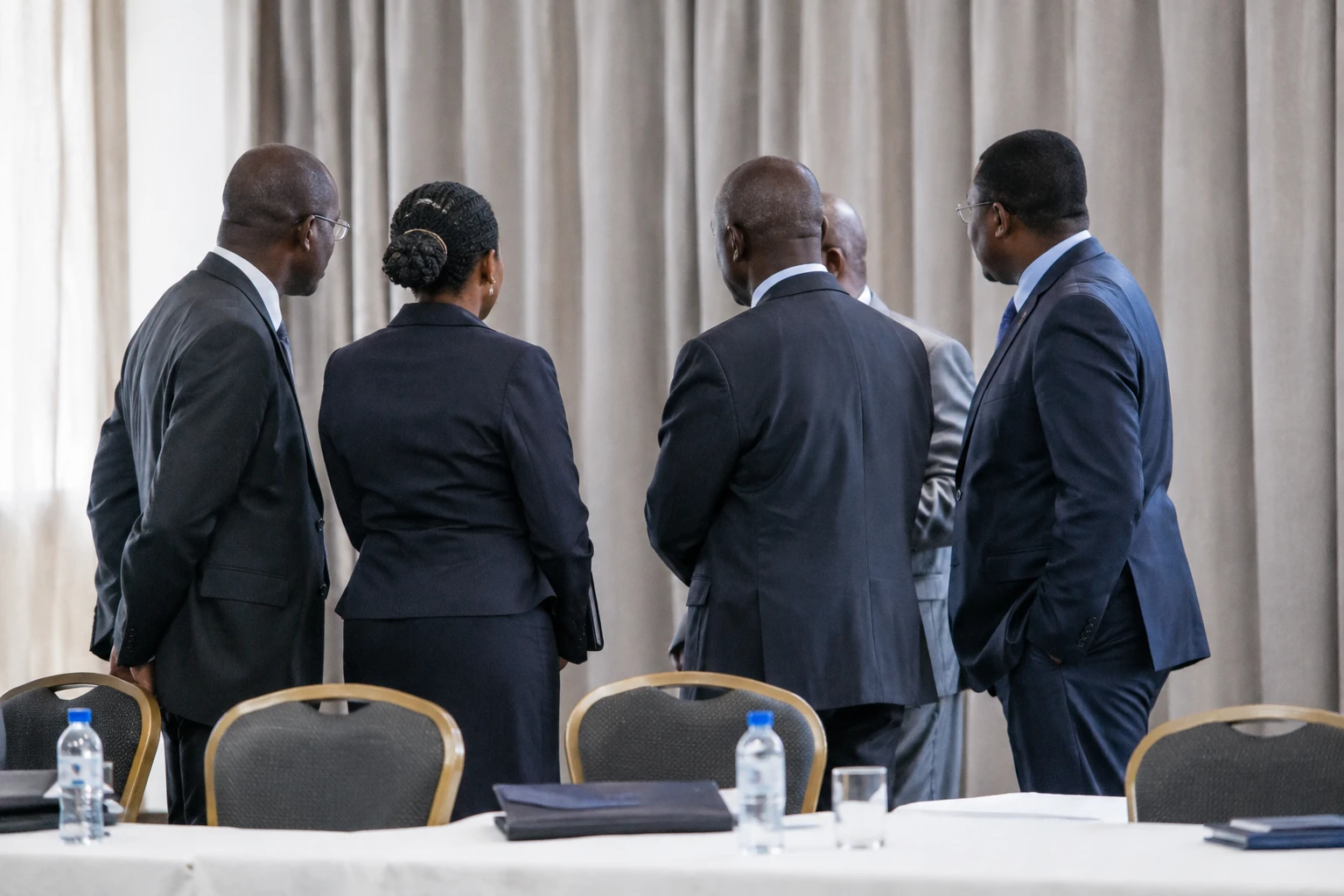
In Chinhoyi, ZANU-PF delegates set a political course that reaches beyond the party’s internal affairs: Emmerson Mnangagwa remains its candidate for the next presidential election, while Zimbabwe’s electoral calendar has already been radically overhauled. The central question is therefore no longer only who will represent the party, but under what rules Zimbabweans will choose their next head of state.
A political calendar stretching to 2030
The decision was taken at ZANU-PF’s 23rd annual national conference, held in Chinhoyi, in Mashonaland West province, and concluded on 17 October 2026. The party named Mnangagwa as its candidate for the next presidential election and postponed its elective congress from 2027 to 2029. These resolutions confirm the intention to keep him at the head of the movement until 2030. Zimbabwe’s public broadcaster reported the conference’s decisions, which were also covered by the national daily The Herald.
The postponement of the party congress comes amid a legal change already made at national level. On 7 July 2026, Mnangagwa enacted Constitutional Amendment No. 3, passed by Parliament in June. The text extends the terms of the president and MPs from five to seven years. It also replaces direct presidential elections with the selection of the president by MPs, and pushes back the next election, due in 2028, to 2030. The Associated Press documented the enactment and the reform’s main provisions.
The Chinhoyi conference did not, by itself, extend the presidential timetable. It aligns ZANU-PF’s internal rules with the new constitutional framework and turns the support of its delegates into a political endorsement. The party says it wants to align its electoral cycle with that of the state.
The Constitution at the heart of the debate
The reform changes how citizens participate in choosing the president. Until now, voters cast direct ballots for presidential candidates. From now on, Parliament is to choose the head of state. The extension of terms also delays the next national election by two years and allows Mnangagwa to remain in office until 2030, under the provisions adopted.
The government and supporters of the text defend a reform that they say is intended to support continuity and harmonise electoral cycles. But the opposition and civic organisations are challenging the process and the curtailment of voters’ direct choice. Douglas Mwonzora’s MDC has petitioned the Constitutional Court, arguing that removing the direct presidential vote required a referendum. Zimbabwean outlet CITE reported on the legal challenge. As of 19 October, several cases related to the amendment remain a legal issue: the party conference’s decision does not resolve them.
The debate therefore concerns two distinct levels. On one hand, ZANU-PF can choose its leader and candidate according to its internal procedures. On the other, national rules determine how all citizens can participate in choosing the president. The shift from a direct vote to parliamentary selection gives greater weight to the balance of power in both chambers and makes their composition decisive.
A dominant party, tensions to watch
ZANU-PF has governed Zimbabwe since independence in 1980 and holds a parliamentary majority. Mnangagwa came to power in 2017, after Robert Mugabe’s departure, then won the elections in 2018 and 2023. He had previously said he would leave the presidency at the end of his second term, in 2028. The constitutional changes and the resolution adopted in Chinhoyi have now redrawn that prospect.
At the conference, Mnangagwa acknowledged internal differences while insisting that his party remained united. He urged ministries and government departments to turn political resolutions into tangible results, as part of the government’s Vision 2030 goal. This economic priority will be judged by its everyday effects: public services, jobs, infrastructure and incomes, both in Harare and in the provinces. For residents, development promises do not replace the debate over political representation; the two issues are now moving in parallel.
Designating the president as the sole candidate may also intensify questions about succession and the balance of power within the party. The authorities assert that their ranks are united, but Mnangagwa’s extended political horizon gives particular prominence to internal rivalries. It remains to be seen how they will play out in the next stages of party life and before the courts.
An issue for Zimbabwe and SADC
What happens next will depend in particular on the examination of constitutional challenges and the practical implementation of the new electoral law. The Constitutional Court may be called upon to rule on the challenges. Until the 2030 election, the conduct of elections and the guarantees afforded to voters will remain at the centre of national debate.
The issue also concerns the Southern African Development Community (SADC), a regional organisation of which Zimbabwe is a member. Its election observation missions assess the legal framework and the conduct of polls, among other things; during Zimbabwe’s 2023 elections, its mission referred to regional principles and guidelines for democratic elections. The SADC mission’s preliminary statement sets out these benchmarks. The current reform therefore raises a question being followed beyond Zimbabwe’s borders: how will regional institutions assess elections held under a profoundly revised framework?
In Chinhoyi, ZANU-PF confirmed its political choice. But the legitimacy and significance of that choice will also depend on court decisions, the implementation of the new rules and voters’ confidence. It is through these steps, more than through the party’s resolutions alone, that Zimbabwe’s next political chapter will be shaped.