Algeria
 Egypt
 Libya
 Morocco
 Sudan
 Tunisia
 Benin
 Burkina Faso
 Cabo Verde
 Côte d'Ivoire
 Ghana
 Guinea
 Guinea-Bissau
 Liberia
 Mali
 Mauritania
 Niger
 Nigeria
 Senegal
 Sierra Leone
 The Gambia
 Togo
 Cameroon
 Central African Republic
 Chad
 DR Congo
 Equatorial Guinea
 Gabon
 Republic of the Congo
 São Tomé and Príncipe
 Burundi
 Comoros
 Djibouti
 Eritrea
 Ethiopia
 Kenya
 Madagascar
 Malawi
 Mauritius
 Mozambique
 Rwanda
 Seychelles
 Somalia
 South Sudan
 Tanzania
 Uganda
 Angola
 Botswana
 Eswatini
 Lesotho
 Namibia
 South Africa
 Zambia
As digital life enters the home, protection must follow
In Zimbabwe, the question is no longer whether children will go online, but how to guide them without exposing them to the gravest risks. In Harare, the authorities have therefore added a new priority to their social agenda: protecting minors in the digital space, at a time when phones, messaging and social media have become everyday tools for learning, playing and communicating. This shift directly affects families, schools and public services in a country where the ministry responsible for ICT says it aims to build a connected knowledge society with secure systems by 2030.
The issue is also part of a broader regional trend. Zimbabwe is a founding member state of SADC, the Southern African Development Community, which comprises 16 countries and pursues development, peace and regional integration. Across the region, child protection in digital environments is now advancing alongside internet access, requiring states to consider connectivity, education, cybersecurity and children’s rights together.
A new national policy backed by a plan for children
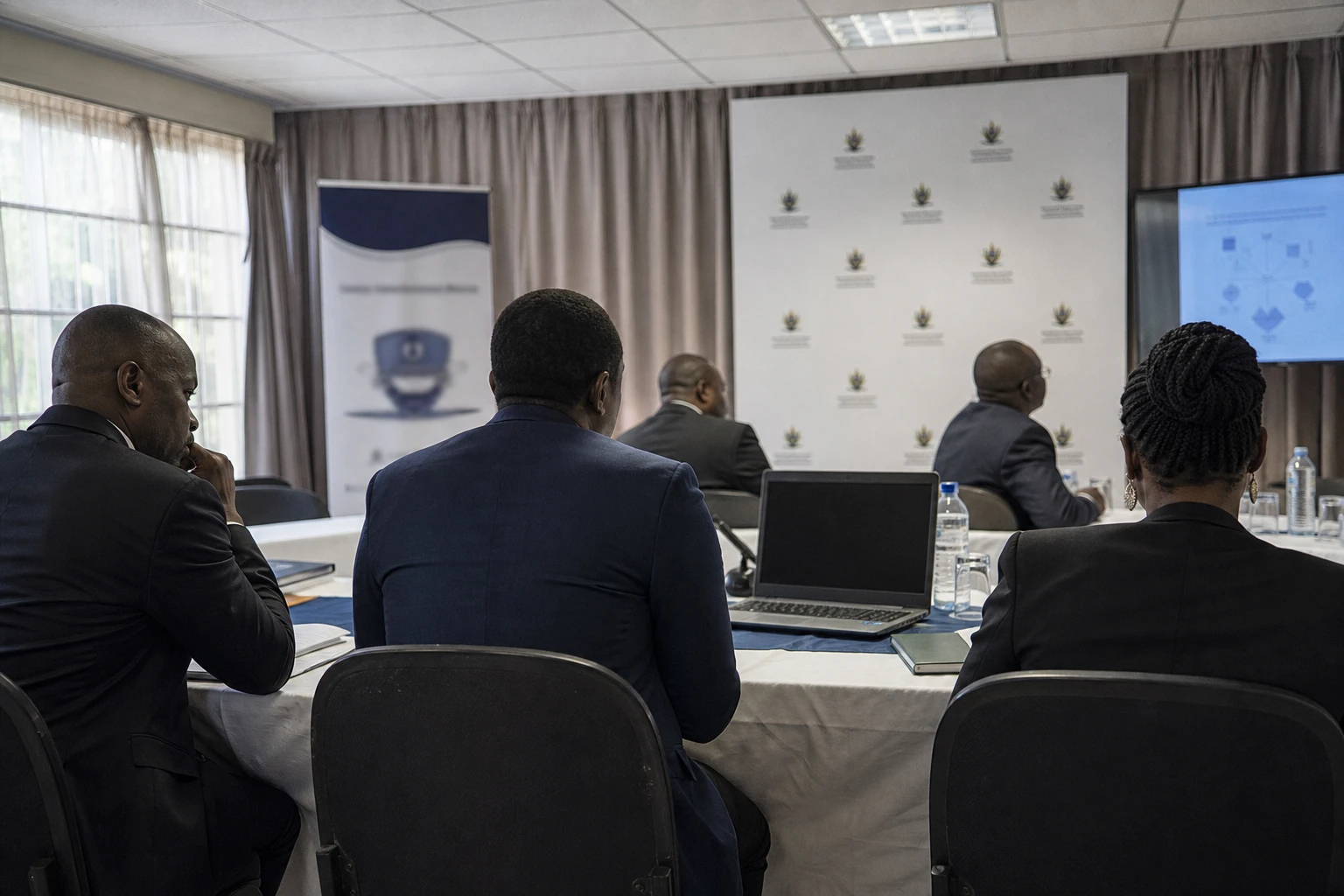
Last week, in Bulawayo, Zimbabwean authorities launched the National Policy on Online Child Protection 2026-2030, alongside the 4th National Action Plan for Children 2026-2030. The ceremony took place from 7 to 10 July during the National Child Protection Conference. According to official reports and the public media, Vice-President Kembo Mohadi presented the two frameworks as a response to the threats facing children in an increasingly digital society.
The government says it is seeking a coordinated framework involving the state, the private sector, academia, civil society and communities. The risks targeted are specific: cyberbullying, online exploitation, digital grooming, sextortion, privacy breaches and harmful content. The announced policy also provides for action on institutional capacity, legislation, prevention, response, education, awareness, research, international cooperation and monitoring. In short, Harare is not talking only about awareness-raising; it also wants to equip the administration and prepare to strengthen the legal framework.
This approach does not emerge from a legal vacuum. Zimbabwe’s ICT ministry says the country already has a Cyber and Data Protection Act, a National ICT Policy 2022-2027 and a National Broadband Plan 2023-2030. The new policy on children online will therefore complement a broader framework already focused on digital regulation, personal data protection and the expansion of connected services.
Why the public response is becoming urgent
The figures cited in the debate give a sense of the scale of the problem. The GSMA estimates that 18% of children aged 5 to 7 in sub-Saharan Africa already use mobile internet. The ITU, meanwhile, says a child connects to the internet for the first time somewhere in the world every half-second. These figures show not only the extent of access, but also how quickly minors are entering an environment where safeguards do not always keep pace.
UNICEF and its partners have already documented the darker side of this acceleration. The Disrupting Harm project, conducted with ECPAT International and INTERPOL, gathered data between 2019 and 2022 in 13 countries in eastern and southern Africa and South-East Asia. The organisation says technology is now facilitating the sexual exploitation and abuse of children, prompting legislative and policy changes in several countries. At the same time, the ITU cites the 2023 COSI index, according to which nearly 70% of children and adolescents aged 8 to 18 worldwide encountered at least one cybersecurity incident during the year.
For Zimbabwe, the stakes are tangible. In cities such as Bulawayo and Harare, smartphone use among young people is growing rapidly. In rural areas, access remains more unequal, but the risks do not disappear: a single shared device and an intermittent connection can already expose a child to violent content or unwanted contact. The announced policy therefore seeks to act on two fronts at once: protect without cutting off access, and regulate without blocking educational uses. This is where the policy challenge becomes delicate, as it touches on the freedom to learn, parental responsibility and platform regulation.
A signal for southern Africa and, beyond it, the African Union
This Zimbabwean initiative extends beyond the national level. Across SADC, the growth of digital services, connected schools and mobile payments is obliging governments to strengthen frameworks for trust. Zimbabwe, which hosted a SADC ordinary summit in Harare in 2024, is thus part of a broader regional debate on digital governance, data security and the protection of vulnerable groups. For regional institutions and the African Union alike, the question is the same: how can access be expanded without importing online violence on a large scale into homes and classrooms?
What happens next will depend on implementation. The government has promised monitoring mechanisms, progress reports and cooperation with regional and international partners. The real test will therefore lie in the implementing regulations, budgetary resources, teacher training, the role of telecoms operators and the ability of social services to respond to reports. In southern Africa, where connectivity is advancing faster than protective measures, Zimbabwe is sending a clear message: the digital childhood can no longer wait until harm has been done to be protected.