Algeria
 Egypt
 Libya
 Morocco
 Sudan
 Tunisia
 Benin
 Burkina Faso
 Cabo Verde
 Côte d'Ivoire
 Ghana
 Guinea
 Guinea-Bissau
 Liberia
 Mali
 Mauritania
 Niger
 Nigeria
 Senegal
 Sierra Leone
 The Gambia
 Togo
 Cameroon
 Central African Republic
 Chad
 DR Congo
 Equatorial Guinea
 Gabon
 Republic of the Congo
 São Tomé and Príncipe
 Burundi
 Comoros
 Djibouti
 Eritrea
 Ethiopia
 Kenya
 Madagascar
 Malawi
 Mauritius
 Mozambique
 Rwanda
 Seychelles
 Somalia
 South Sudan
 Tanzania
 Uganda
 Angola
 Botswana
 Eswatini
 Lesotho
 Namibia
 South Africa
 Zimbabwe
Zambian copper: national promise, local tensions
In northern Zambia, the country’s mineral wealth fuels national hopes, but also leaves very tangible marks on daily life. On the roads around Kitwe, Chingola and Kalulushi, the question is no longer just how much copper will come out of the mines. It is also who pays the price for this wealth, and for how long. Residents of the Copperbelt describe a daily reality in which water, soil and air remain major concerns. The authorities, meanwhile, want to turn this resource into a source of budget revenue and a driver of growth.
The issue extends well beyond the mining province. Zambia is a landlocked country in southern Africa and a founding member of SADC, the Southern African Development Community, which brings together 16 countries in the region. Its capital is Lusaka. The economy remains heavily dependent on copper, which accounts for a significant share of exports and public revenue, and shapes negotiations with international lenders. At the same time, the country continues to contend with high debt, although the International Monetary Fund now considers it sustainable, while still at high risk of debt distress.
Growth figures, complaints on the ground
In Lusaka, the official message focuses on reviving the mining sector. The government says it has restarted major operations such as Konkola Copper Mines and Mopani Mines, and is counting on new projects ramping up to boost production. The Ministry of Mines is forecasting a more ambitious trajectory, while the IMF’s July 2025 report projects a recovery driven by copper production and strong services. The same document notes that copper remains the country’s main export.
But in the Copperbelt, this promise of wealth runs up against another reality. On 18 February 2025, the government itself reported pollution in the Mwambashi River, in Kalulushi district, following the failure of a tailings dam at Sino-Metals Leach Zambia Limited. The Ministry of Water and Sanitation later said that several sites in the province, including Chingola, Kitwe, Kalulushi, Chililabombwe and Ndola, were part of a water and sediment monitoring programme. In October 2025, the authorities said samples showed heavy metal concentrations within Zambian standards at 21 sites, evidence that a technical response had been launched, without dispelling local concerns.
This sequence illustrates a familiar tension in mining areas: production can restart, but environmental remediation moves more slowly. On the ground, social and religious organisations say they are seeing degraded soils, higher farming costs and additional pressure on already vulnerable households. The authorities also acknowledge that mining can contaminate water resources when it is not properly controlled or when containment facilities fail.
What the Copperbelt reveals about Zambia’s mining model
The central issue is simple. Zambia is seeking to turn its copper into tax revenue, jobs and foreign exchange. Copperbelt communities, for their part, want more tangible benefits: clean drinking water, healthcare, arable land, sustainable jobs and compensation for damage. Between the two stands the state, which must balance the drive to attract investment, budgetary pressure and environmental oversight. The credibility of Zambia’s mining model is at stake.
Mining taxation is therefore back at the forefront of debate. For many local stakeholders, taxing companies more is not enough. Revenue must also be seen in public services, water infrastructure, healthcare and local farming. Without that, copper may fuel the national economy, but it will not transform life in mining districts. The contrast is stark between urban centres connected to major projects and the villages or neighbourhoods that bear the nuisances without sharing in the benefits.
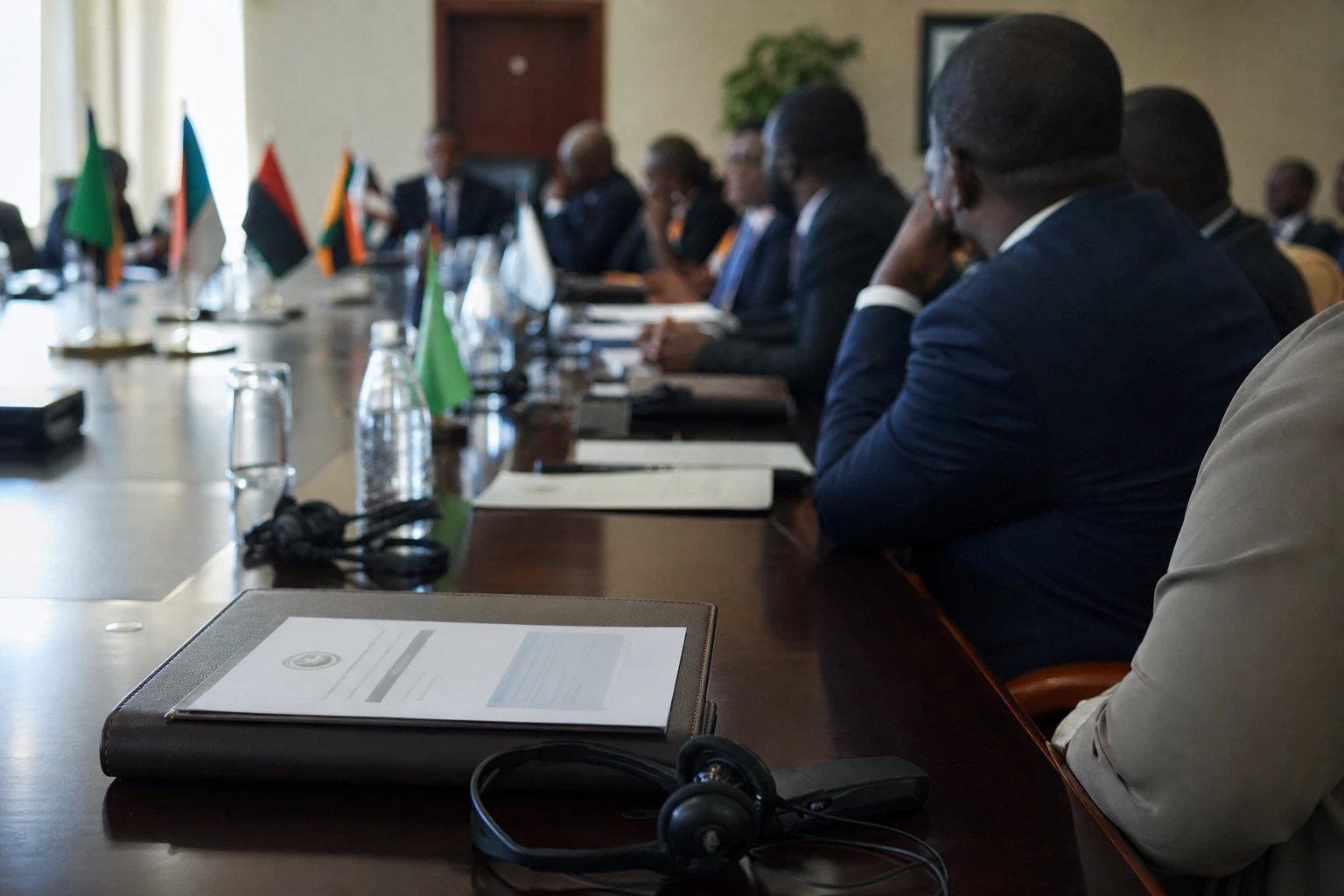
This issue carries particular political weight ahead of the 2026 general election. SADC has said its observer mission for Zambia will be deployed for the elections on 13 August 2026. In this context, copper is not merely an economic resource. It is also a test of governance. The government must convince the public that mining-led growth can go hand in hand with effective protection for communities.
A Zambian issue with regional implications
Zambia’s Copperbelt is part of a wider area: southern Africa’s mining belt. Major companies and investors see Zambia as a strategic copper supplier, with the metal central to electrification and value chains linked to the energy transition. The country is now talking about increasing production by 2030–31, while the IMF and World Bank point out that this expansion will also depend on regulatory reform, infrastructure and available energy.
Across SADC, the question is broader still: how can mineral trade drive industrialisation rather than simply extraction for export in raw form? Zambia, like several of its southern African neighbours, is trying to answer this by expanding local value addition, environmental monitoring and public revenue. The Copperbelt case shows that a strategic resource can underpin a development path, but only if the health and environmental costs are borne by those who profit from it.