Algeria
 Egypt
 Libya
 Morocco
 Sudan
 Tunisia
 Benin
 Burkina Faso
 Cabo Verde
 Côte d'Ivoire
 Ghana
 Guinea
 Guinea-Bissau
 Liberia
 Mali
 Mauritania
 Niger
 Nigeria
 Senegal
 Sierra Leone
 The Gambia
 Togo
 Cameroon
 Central African Republic
 Chad
 DR Congo
 Equatorial Guinea
 Gabon
 Republic of the Congo
 São Tomé and Príncipe
 Burundi
 Comoros
 Djibouti
 Eritrea
 Ethiopia
 Kenya
 Madagascar
 Malawi
 Mauritius
 Mozambique
 Rwanda
 Seychelles
 Somalia
 South Sudan
 Tanzania
 Uganda
 Angola
 Botswana
 Eswatini
 Lesotho
 Namibia
 South Africa
 Zimbabwe
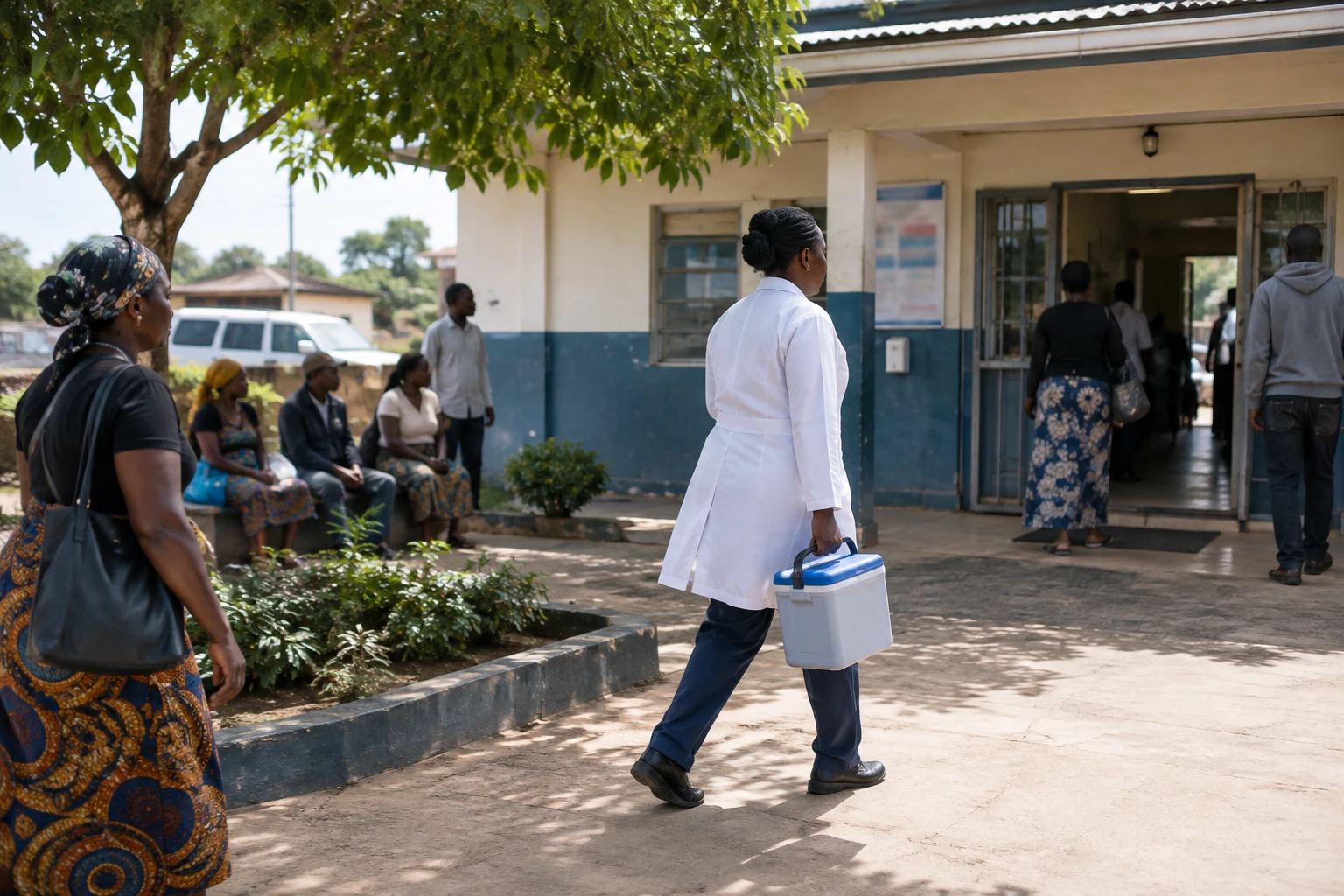
Producing a vaccine locally does not yet mean making all its components. In Zambia, the ZAMVAX project raises precisely this question: how many links in the pharmaceutical supply chain can genuinely be established in Lusaka, and under what conditions will doses reach patients and neighbouring countries?
A first phase focused on packaging
On 2 November 2026, Zambia’s state-owned Industrial Development Corporation (IDC) and Chinese company Jijia International Medical Technology signed a joint venture agreement to create ZAMVAX. The IDC will hold 60% of the new company, with Jijia holding 40%. The agreement follows a memorandum of understanding signed in 2024.
The first phase, estimated at $24.13 million, is set to establish a filling, finishing, packaging and quality-control facility in the Lusaka South Multi-Facility Economic Zone. Its announced capacity is up to 20 million doses of oral cholera vaccine a year. This figure refers to the targeted capacity, not to production that is already under way.
One element is decisive: at the outset, the facility will use imported bulk antigens. It will therefore package part of the product locally, without yet producing all the vaccine’s components. The second phase is intended to introduce local production of these antigens and, eventually, integrated manufacturing. The total cost announced for the two-phase project is $200 million according to Times of Zambia, while the IDC has given an estimate of $213 million. The figures therefore remain to be clarified in the project’s detailed financial plan.
A response to a major epidemic, not all its causes
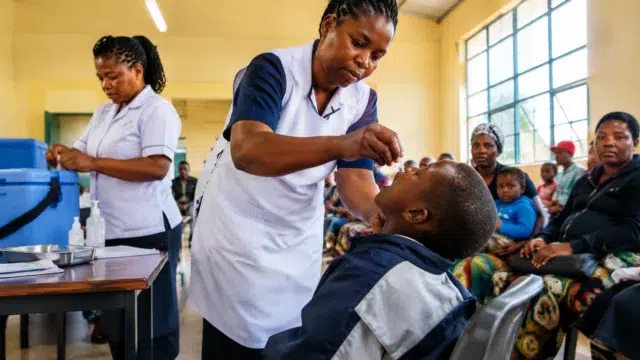
Zambia experienced a major cholera outbreak between October 2023 and 2024. The World Health Organization (WHO) recorded 23,382 cases and 740 deaths as of 23 July 2024. These figures, published by WHO for Africa and corroborated by United Nations reports, indicate the pressure on health services.
During the crisis, doses were delivered with support from international partners. But global stocks of oral cholera vaccines came under severe strain as several African countries faced outbreaks. Manufacturing or packaging more doses in the region could reduce some supply delays. However, it would guarantee neither immediate availability, nor an affordable price, nor fair distribution.
The vaccine is a prevention tool, not a substitute for public health measures. Access to safe drinking water, sanitation, outbreak surveillance and prompt treatment remain essential. Needs are not the same everywhere: Lusaka has a large urban population, while rural districts may face different barriers to healthcare and distribution networks.
From industrial project to real access to doses
The IDC expects half of the annual capacity to be earmarked for the Zambian market and the other half for export, subject to the necessary approvals. These volumes are an announced prospect, not a guaranteed delivery commitment. The project will need to secure its planned funding, meet regulatory requirements and demonstrate consistent batch quality before any product can be placed on the market.
The distinction between packaging and integrated manufacturing also matters for the autonomy being sought. As long as the antigens come from abroad, local supply remains exposed to the same international disruptions affecting this raw material. The second phase, if funded and completed, could therefore represent a more substantial change. It will require specialist expertise, equipment, rigorous controls and sufficiently predictable markets to support operations.
The joint venture is also considering paediatric and veterinary vaccines in the longer term. This expansion will depend on feasibility studies, additional funding and approvals specific to each product. It is not part of the capacity already being installed. For Zambian workers, establishing an industry could create skilled jobs; for patients, the impact will depend above all on the availability and price of doses in health services.
A challenge for SADC and African ambitions
Zambia is a member of the Southern African Development Community (SADC), which brings together neighbouring countries and seeks to develop regional trade and industrial value chains. Zambian production could serve markets beyond its borders, but exports will have to meet the rules applicable in each country. Announced capacity alone does not create a regional system for procurement, approval and distribution.
The project also forms part of the African Union’s goal of producing 60% of the vaccines needed on the continent locally by 2040. The initiative addresses a dependence exposed during the Covid-19 pandemic, when access to doses was often determined by external purchasing and production capacity. To achieve the continental goal, however, factories will need to be underpinned by sustainable markets, local expertise and reliable regulatory procedures.
The next steps will therefore be tangible: tracking the funding, construction timetable, transfer of know-how and marketing authorisations. The central question is not simply whether Zambia will be able to package cholera vaccines. It is whether ZAMVAX can, over time, produce more components locally and supply safe, affordable and accessible doses in Zambia and across the region.