Algeria
 Egypt
 Libya
 Morocco
 Tunisia
 Benin
 Burkina Faso
 Cabo Verde
 Côte d'Ivoire
 Ghana
 Guinea
 Guinea-Bissau
 Liberia
 Mali
 Mauritania
 Niger
 Nigeria
 Senegal
 Sierra Leone
 The Gambia
 Togo
 Cameroon
 Central African Republic
 Chad
 DR Congo
 Equatorial Guinea
 Gabon
 Republic of the Congo
 São Tomé and Príncipe
 Burundi
 Comoros
 Djibouti
 Eritrea
 Ethiopia
 Kenya
 Madagascar
 Malawi
 Mauritius
 Mozambique
 Rwanda
 Seychelles
 Somalia
 South Sudan
 Tanzania
 Uganda
 Angola
 Botswana
 Eswatini
 Lesotho
 Namibia
 South Africa
 Zambia
 Zimbabwe
A key city under pressure
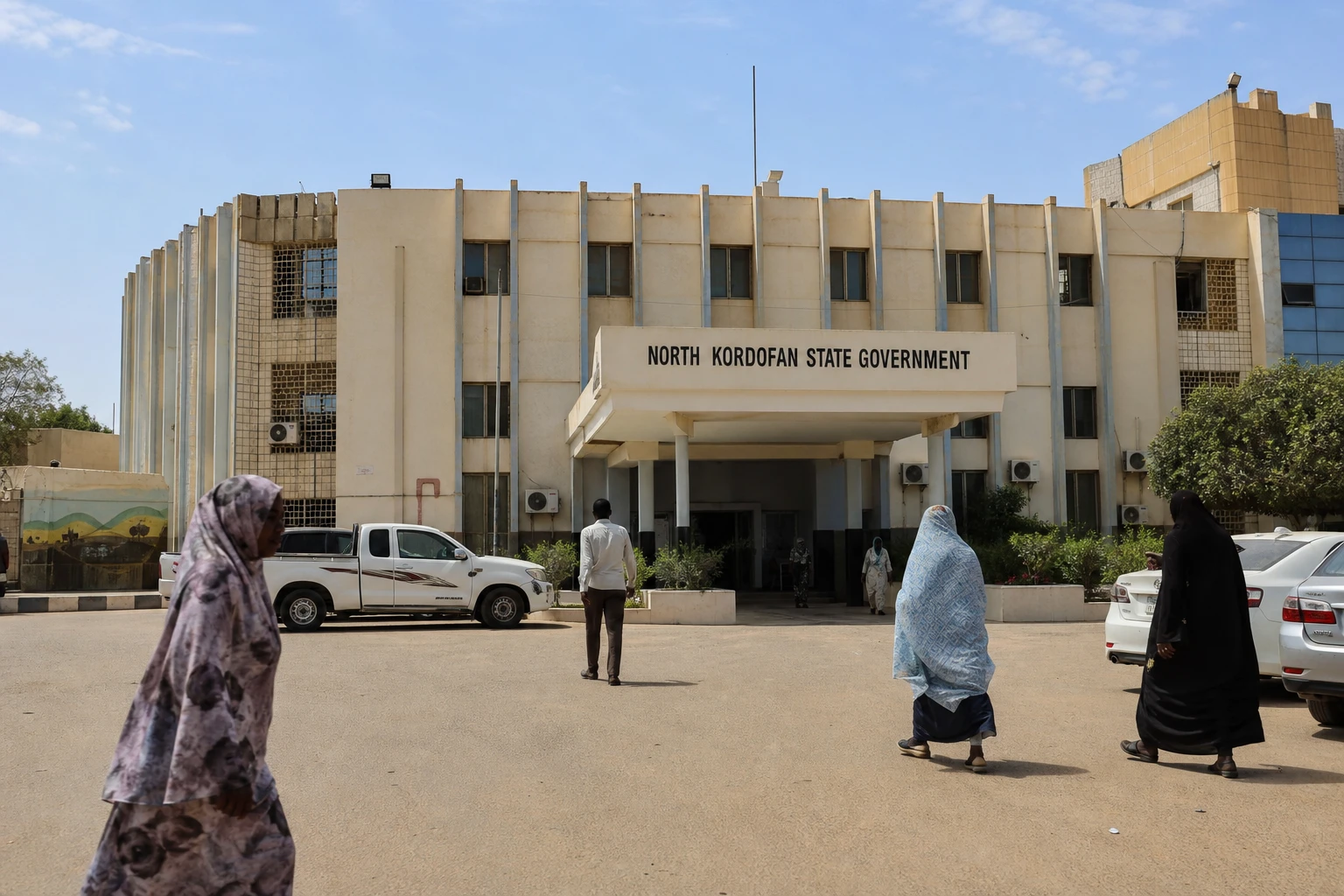
In El-Obeid, the war is not visible only on the front lines. It can also be seen in the market, in water containers, in the price of sugar and in queues outside distribution points. In the capital of North Kordofan, in central Sudan, a hub city that usually facilitates trade between the west, the centre and Khartoum, the day-to-day economy has suddenly shrunk. Families still arriving after being displaced are adding to a local population already weakened by months of insecurity.
Sudan has been at war since April 2023, with the Sudanese Armed Forces fighting the Rapid Support Forces, or RSF, a paramilitary group led by Mohamed Hamdan Dagalo, known as Hemedti. El-Obeid occupies a strategic position in the conflict. The city connects several of the country’s main routes and serves as a transit point for goods, evacuations and humanitarian aid. When this space is blocked, prices, water, fuel and medicines are all disrupted.
Siege transforms daily life
The latest reports from El-Obeid point to a rapid deterioration. The World Food Programme warned on 17 July 2026 that the humanitarian situation was worsening quickly, with displacement to the city increasing and food needs growing ever more acute. The agency says hundreds of thousands of displaced people are now there, to the point that the population may have doubled. It also says supplies of food, fuel and water are under strain.
On the ground, this pressure is driving prices sharply higher. Residents have said that basic goods such as oil, onions, sugar and tea have become unaffordable for many households. Sugar, they say, has risen from 3,000 to 8,000 Sudanese pounds. This is not a minor accounting detail. In an economy where wages have been gutted by war and currency depreciation, it means fewer meals, smaller portions and, for some families, just one meal a day. This decline in purchasing power is consistent with WFP warnings about dwindling food supplies and pressure on local markets.
The water crisis adds a second stranglehold. Local officials cited in recent days say the city’s main water sources have been damaged or knocked out, with the shortfall estimated at about 70%. The problem is not merely technical. When pumps, supply lines and trucks are hit, the entire urban system falters. Outlying neighbourhoods, displacement camps and families without reserves are the first to suffer.
The picture is even bleaker because the city is receiving new arrivals every day. According to several sources, more than 100,000 displaced people have settled in El-Obeid, while local and humanitarian estimates also point to a total population far higher than before the war. The arrival of these families is not simply an abstract “influx”. It means more mouths to feed, greater medical needs and more pressure on schools, wells, health centres and community networks that are already overstretched.
Why El-Obeid matters far beyond Kordofan
The situation in El-Obeid says something broader about the war in Sudan. For two years, the logic of the conflict has been about more than military force. It has also targeted roads, depots, pumping stations, electricity and markets. When this infrastructure is made unusable, civilians lose access to what they need to endure over time. The result is not just fear of bombardment. It is hunger engineered through logistical strangulation. Recent UN warnings about the city, including cautions about the risk of mass atrocities, show that the battle for El-Obeid has become a test of civilian protection.
For the Sudanese authorities, defending El-Obeid also has political and military significance. Holding the city means preventing the RSF from opening a deeper corridor towards the centre of the country. For the paramilitaries, increasing pressure around this urban hub makes it possible to extend their influence in Kordofan, a pivotal region between Darfur, central Sudan and the capital. For residents, the question is much simpler: being able to buy bread, find water and stay alive until the next day.
The crisis also has continental significance. Sudan remains one of Africa’s most severe centres of forced displacement and food insecurity. The WFP still ranks the country among the world’s main “hunger hotspots”, alongside other acute crises. Across the region, the effects are spreading to Chad, South Sudan, Egypt and beyond, through population movements, pressure on borders and rising humanitarian needs. The case of El-Obeid is also a reminder of a reality too often underestimated: when a medium-sized city becomes a military chokepoint, an entire economic zone can be upended within weeks.
What happens next will depend on three things: the course of fighting around the city, the ability of humanitarian actors to maintain access, and the resilience of supply corridors to North Kordofan. As long as these three elements remain fragile, El-Obeid will continue to embody one of the most tangible consequences of the war in Sudan: an ordinary city transformed into a zone of survival.