Algeria
 Egypt
 Libya
 Morocco
 Sudan
 Tunisia
 Benin
 Burkina Faso
 Cabo Verde
 Côte d'Ivoire
 Ghana
 Guinea
 Guinea-Bissau
 Liberia
 Mali
 Mauritania
 Niger
 Nigeria
 Senegal
 Sierra Leone
 The Gambia
 Togo
 Cameroon
 Central African Republic
 Chad
 DR Congo
 Equatorial Guinea
 Gabon
 Republic of the Congo
 São Tomé and Príncipe
 Burundi
 Comoros
 Djibouti
 Eritrea
 Ethiopia
 Kenya
 Madagascar
 Malawi
 Mauritius
 Mozambique
 Rwanda
 Seychelles
 Somalia
 South Sudan
 Tanzania
 Angola
 Botswana
 Eswatini
 Lesotho
 Namibia
 South Africa
 Zambia
 Zimbabwe
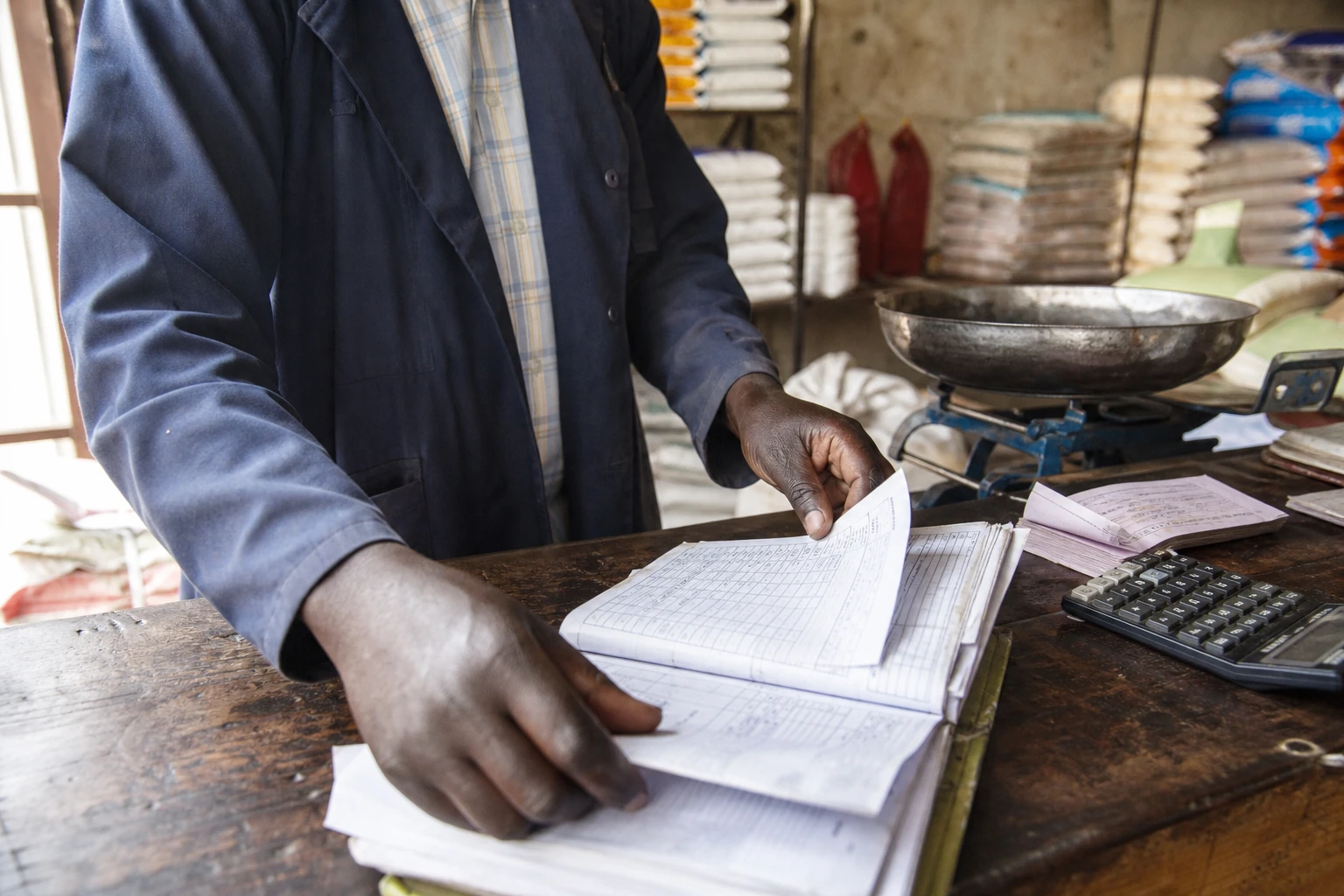
In Kampala, the end of an outbreak is still governed by the calendar
For Uganda, the fight against Ebola does not end with the last patient treated. It continues in the quiet of surveillance centres, border posts and communities that have seen the virus pass through. On 16 July 2026, the country began the 42-day countdown that precedes the official declaration of the end of an outbreak, a period corresponding to two maximum incubation periods for the Bundibugyo virus.
This moment matters as much for public health as for the everyday economy. In Kampala, as in the west of the country and in trading areas near the Congolese border, confidence is gradually returning. But it remains fragile. As long as surveillance continues, each alert can still affect travel, routine care and cross-border trade.
A regional disease, a coordinated response in the East African Community
The Ugandan case cannot be viewed in isolation. The Bundibugyo virus outbreak is spreading between the Democratic Republic of the Congo and Uganda, in a border area where families, markets and healthcare often extend beyond administrative boundaries. In this area, the East African Community and regional public health mechanisms play a practical role: harmonising surveillance, sharing alerts and preventing a local cluster from becoming a wider crisis.
The World Health Organization has confirmed that the outbreak remains active in the DRC, while noting that Uganda is now in a phase of heightened monitoring after the last patient was discharged. Uganda’s Ministry of Health, for its part, has said the country is keeping a close eye on the situation in the Congo, because a new imported case would reset the clock to zero.
What the figures say, and what they reveal
As of 16 July 2026, Uganda had recorded 20 confirmed cases and two deaths since the outbreak was declared on 15 May, according to the WHO and the Ministry of Health. The authorities also said that all 836 identified contacts had completed their monitoring period. This is a decisive point: it shows that no known chain of transmission remains open in the country as the 42-day countdown begins.
Uganda’s response is built on very practical tools. A specialised 80-bed isolation centre has been mobilised, with teams comprising doctors, nurses, biologists, nutritionists and psychosocial support staff. The idea is simple: detect quickly, isolate quickly, support families and interrupt transmission before it spreads. This organisation is not theoretical. It reflects lessons learned from previous outbreaks in the country.
The risk has not disappeared, however. The WHO says that a single imported case from the DRC during the observation period would immediately restart the process. In practice, this requires heightened vigilance at border crossings, in health facilities and among community screening teams.
Why this phase is critical for households and the state
The 42-day countdown is not an administrative formality. It is the moment when the state tests the strength of its health system. For families, it means less anxiety, but not yet a full return to normal. For healthcare workers, it is a period of intensive monitoring. For traders in border areas, it is also a question of movement, confidence and income.
The Ugandan government is drawing on a capability now recognised across the region: the speed of its response. Uganda has led several Ebola responses in recent years, following an approach that has become familiar across the Great Lakes region. This experience partly explains why the authorities are now describing the moment as a “milestone”, rather than a victory already secured.
But experience cannot replace funding. At the regional level, the WHO and Africa CDC have reported an additional funding need to sustain the response, as outbreaks in the Congo remain active and laboratory and treatment capacities must stay operational. In a cross-border epidemic, the cost of hesitation is quickly measured in new infections.
What East Africa is watching now
For Uganda, the next key date is clear: the end of 42 days without a new confirmed case. If the country reaches that point without incident, Kampala will be able to declare the end of the outbreak. If an imported case appears before the deadline, the process will be extended. This mechanism, familiar to health teams, is a reminder that Ebola is fought as much through disciplined systems as through medical treatment.
Beyond Uganda’s case alone, the episode confirms a broader reality for East Africa: public health emergencies do not stop at political borders. They require stronger laboratories, mobile surveillance, public information and cooperation between neighbouring countries. In this region, the ability to contain an outbreak is becoming an indicator of health sovereignty as well as technical preparedness.