Algeria
 Egypt
 Libya
 Morocco
 Sudan
 Benin
 Burkina Faso
 Cabo Verde
 Côte d'Ivoire
 Ghana
 Guinea
 Guinea-Bissau
 Liberia
 Mali
 Mauritania
 Niger
 Nigeria
 Senegal
 Sierra Leone
 The Gambia
 Togo
 Cameroon
 Central African Republic
 Chad
 DR Congo
 Equatorial Guinea
 Gabon
 Republic of the Congo
 São Tomé and Príncipe
 Burundi
 Comoros
 Djibouti
 Eritrea
 Ethiopia
 Kenya
 Madagascar
 Malawi
 Mauritius
 Mozambique
 Rwanda
 Seychelles
 Somalia
 South Sudan
 Tanzania
 Uganda
 Angola
 Botswana
 Eswatini
 Lesotho
 Namibia
 South Africa
 Zambia
 Zimbabwe
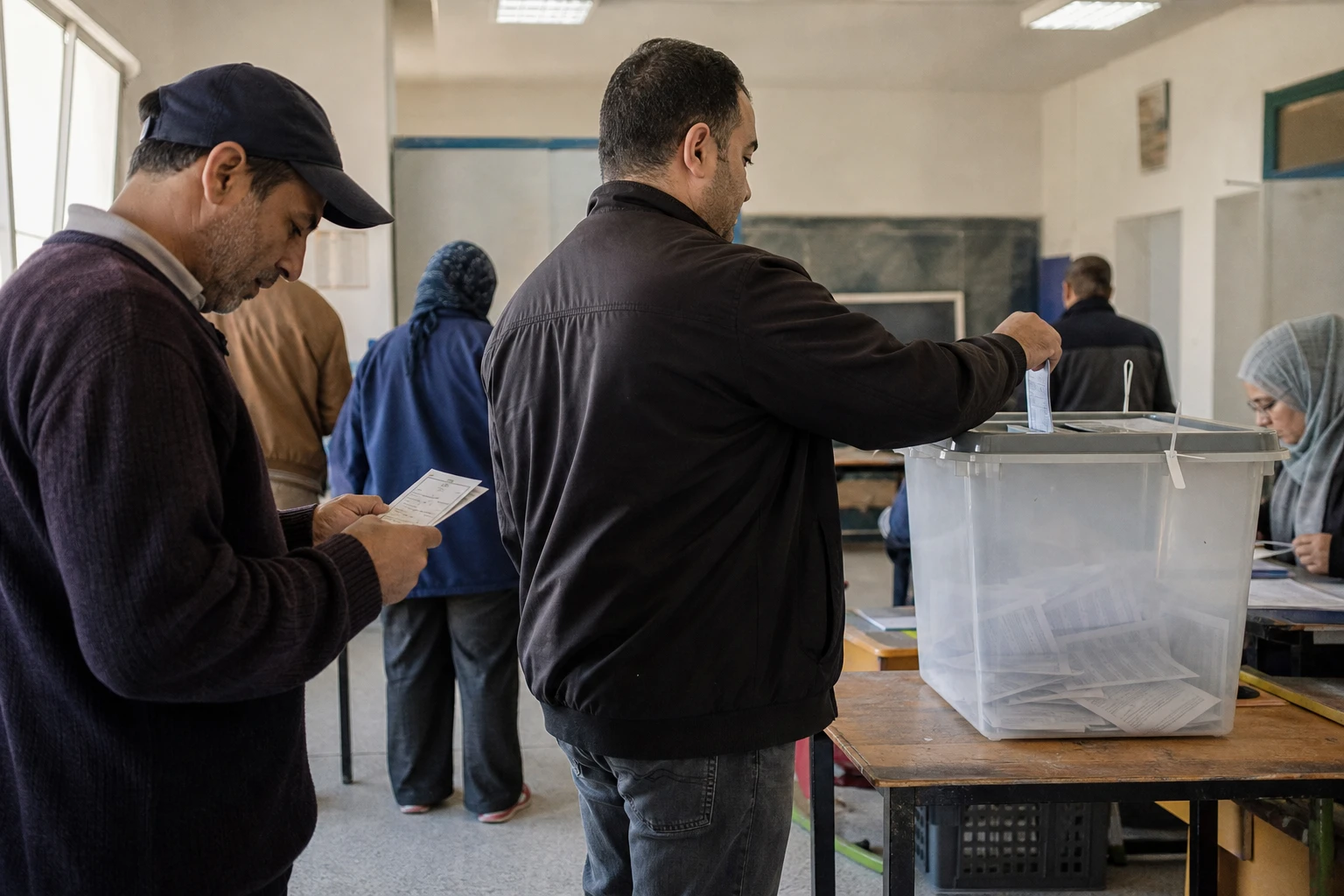
In Sfax, the decline in departures for Italy has not made people hoping to cross the sea disappear. Instead, it has shifted where they live, their routes and the risks they face. In Tunisia, deterrence policies are reducing visible arrivals in Europe without addressing the causes driving the sea route.
Arrivals plunge, but migration pressure remains
Arrivals in Italy from Tunisia fell sharply after peaking in 2023. That year, nearly 100,000 people reached the Italian coast from Tunisian territory, according to data provided by international agencies and the Italian authorities.
The trend then reversed. Arrivals recorded from Tunisia fell below 20,000 in 2024 and continued to decline in 2025. Available figures for the first months of 2026 remain far below those for 2023.
This shift is often presented as the result of more effective control of maritime borders. It also reflects a broader strategy: stepped-up coastal surveillance, the dismantling of camps, arrests, removals to the Algerian and Libyan borders, and increased co-operation with the European Union.
But arrivals in Italy tell only part of the story. Interceptions at sea, thwarted departures, people displaced within Tunisia and assisted returns are harder to measure. A decline in one indicator does not automatically mean the phenomenon has disappeared.
In its analysis of changes in departure networks, the Global Initiative Against Transnational Organized Crime says demand for crossings remains strong. The organisation describes a route squeezed by repression, but still active.
In Sfax, camps have been dispersed rather than eliminated
The Sfax region remains at the heart of the system. For several years, its coastal areas have served as a departure point for Italy. The olive groves and outlying areas of Al-Amra have also hosted informal camps where thousands of people from sub-Saharan Africa lived.
From spring 2025, Tunisian security forces stepped up operations to dismantle camps in these areas. The authorities presented them as security and sanitation measures. For those affected, they often meant losing shelter, personal belongings and the few support networks they had.
Human rights organisations have reported that the operations did not stop departures. Instead, they prompted people to disperse to smaller camps, cities and other parts of the coast. Departures can consequently become quicker, more clandestine and more dangerous.
This trend is part of a policy pursued after the official rhetoric on sub-Saharan immigration hardened, particularly from February 2023. Since then, several Tunisian and international associations have documented arbitrary arrests, collective expulsions and violence against migrants, refugees and asylum seekers.
In an investigation published in 2025, Amnesty International recorded at least 70 collective expulsions between June 2023 and May 2025, involving more than 11,500 people. The organisation says these expulsions sent people, among other places, to the borders with Algeria and Libya, often to remote areas.
Maritime controls also shift responsibility
Stepped-up interceptions pose a particular political problem for Tunis. When a boat is stopped before reaching Italy, those rescued generally remain on Tunisian soil. They then have to be cared for, placed under control or referred to return schemes.
This partly explains the growing reticence around some maritime operations. Each interception can be presented as a security success. It also serves as a reminder that Tunisia is, in effect, becoming a place where people hoping to continue their journey to Europe are held back.
The human toll remains worrying. Shipwrecks do not disappear as departures decline. They can become less visible, as boats leave from more dispersed locations and information circulates less easily.
Available data remain incomplete. The United Nations High Commissioner for Refugees publishes figures for arrivals recorded in Italy, but these statistics do not count every attempt or those who go missing at sea. Rescue organisations and local associations regularly point to the gap between official figures and what they see on the ground.
The World Organisation Against Torture has also documented expulsions to the Algerian and Libyan borders. It highlights difficulties in accessing information and a lack of transparency about the procedures followed. These constraints make it impossible to establish a comprehensive tally of removals.
Smaller networks, but still profitable
The transformation also affects smugglers. The visible structures that dominated some departure points have given way to more mobile cells. They use encrypted messaging apps, deploy more boats and adapt departures to weather conditions and patrol movements.
Tunisian nationals continue to play central roles in buying boats, securing access to the coast and protecting operations. At the same time, people from Guinea, Côte d’Ivoire, Cameroon, Senegal and Sudan may be recruited as intermediaries or pilots.
The economics remain compelling. Makeshift boats are relatively cheap to build, while each crossing can generate substantial revenue for organisers. The price paid for a crossing from Tunisia generally remains lower than that charged on some routes departing from Libya. This difference keeps the Tunisian route attractive, despite surveillance and the risks.
The route is not disappearing, then. It is becoming more fragmented. For people living in coastal areas, this means an increased security presence and pressure on local activities. For migrants, dispersal makes it harder to access healthcare, legal aid and associations. For families, it becomes more difficult to get news after a departure.
A Tunisian question, a North African issue
Tunisia lies at the crossroads of several regions. It is part of the Maghreb, has close ties with the European Union and sits on a route linking West Africa, the Sahel and the central Mediterranean. Decisions made in Tunis therefore have effects beyond the Sfax coast.
Security co-operation with Europe has helped reduce arrivals recorded in Italy. It has not stopped departures, forced displacement or requests for protection. Instead, it has shifted some of the human and administrative cost to Tunisia, as well as to border areas with Algeria and Libya.
The next indicator to watch will not be only the number of people landing in Italy. Interceptions, disappearances at sea, expulsions, assisted returns and the situation around Sfax will also need to be tracked. A sustained decline can be established only by bringing these figures together and making them more transparent.