Algeria
 Egypt
 Libya
 Morocco
 Sudan
 Tunisia
 Benin
 Burkina Faso
 Cabo Verde
 Côte d'Ivoire
 Ghana
 Guinea
 Guinea-Bissau
 Liberia
 Mali
 Mauritania
 Niger
 Nigeria
 Senegal
 Sierra Leone
 The Gambia
 Togo
 Cameroon
 Central African Republic
 Chad
 DR Congo
 Equatorial Guinea
 Gabon
 Republic of the Congo
 São Tomé and Príncipe
 Burundi
 Comoros
 Djibouti
 Eritrea
 Ethiopia
 Kenya
 Madagascar
 Malawi
 Mauritius
 Mozambique
 Rwanda
 Seychelles
 Somalia
 Tanzania
 Uganda
 Angola
 Botswana
 Eswatini
 Lesotho
 Namibia
 South Africa
 Zambia
 Zimbabwe
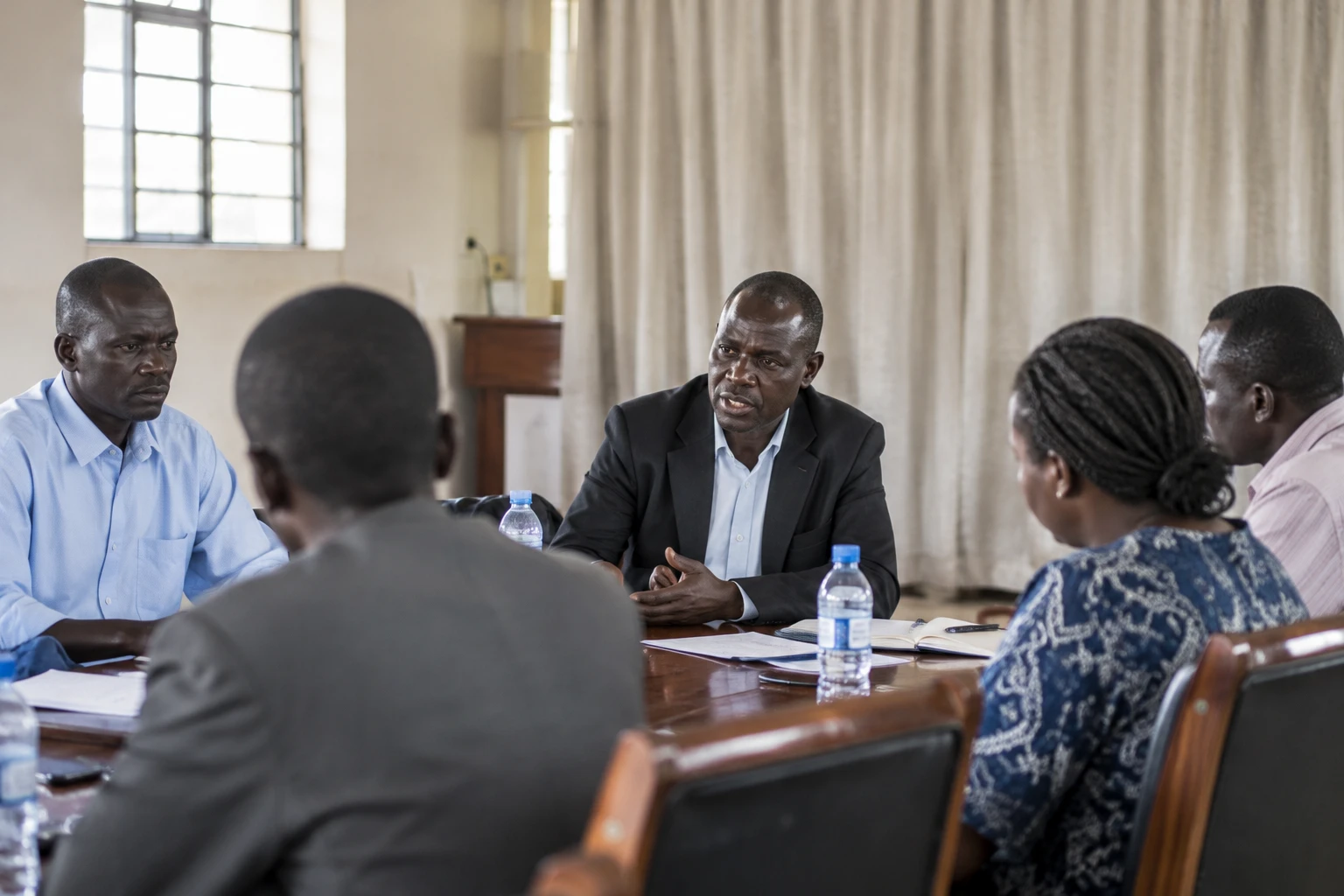
In Tonj North, violence is striking villages where security remains fragile and local rivalries can quickly turn into deadly attacks. The two incidents reported on 26 and 27 October are a reminder that civilian protection also depends on public authorities being able to act before reprisals occur.
Separate attacks in Tonj North County
At least 84 people were reportedly killed and 62 injured in two attacks in Tonj North County, Warrap State, South Sudan. The toll, reported by South Sudanese radio station Eye Radio on the basis of local testimonies and information from state authorities, remains attributed to those sources.
The first attack reportedly killed 72 people and injured 38 on Monday, 26 October. The next day, armed men attacked several villages in Akop payam, a local administrative subdivision. The second attack reportedly killed 12 people and injured 24. Homes and markets were reportedly set on fire, while cattle were taken.
The details of the two tolls were also reported by South Sudanese activist Edmund Yakani, who heads the civil society organisation CEPO. However, the information available does not make it possible to independently establish the attackers’ identities or all the circumstances of the attacks. Reported facts must therefore be distinguished from responsibilities that have yet to be verified.
South Sudanese churches and civil society representatives are calling for dialogue between communities. Yakani has also asked security officials to explain how weapons and ammunition continue to fuel violence. He urged young people not to be drawn into the clashes.
Local violence amid a wider crisis
In Greater Tonj, conflicts are rooted in factors including cattle theft, reprisals, local disputes and the flow of weapons. These factors do not justify the attacks. They do, however, help explain why a dispute can trigger a series of violent incidents, particularly when mediation and protection mechanisms are inadequate.
The United Nations Mission in South Sudan (UNMISS) has described recurring intercommunal clashes in the Tonj region and has previously called on the authorities to strengthen civilian protection. In some rural areas, the distance from security services can delay intervention. Residents, particularly those displaced by the attacks, bear the direct consequences.
This local insecurity is unfolding in a country where the 2018 revitalised peace agreement is still struggling to deliver a stable transition. It brought the main political factions together in a unity government after years of war. But delays in its implementation and tensions at the top are weakening the institutions tasked with managing the transition and preventing new crises.
The electoral timetable has also changed: national elections are now scheduled for December 2026, after several postponements. The date has fuelled debate about the authorities’ ability to ensure an inclusive and peaceful process. It does not mean that the attacks in Tonj North were caused by electoral competition: there is no verified evidence establishing a direct link.
The public response, a key issue for communities
For state and national government officials, the immediate priorities are to secure the affected areas, investigate the attacks and prevent reprisals. A response limited to occasional deployments risks leaving intact the conditions that perpetuate cycles of vengeance. Calls for dialogue therefore highlight the need to involve communities, local authorities, churches and civil society organisations.
The impact goes beyond the loss of life. The destruction of markets can disrupt trade and reduce access to essential goods. Cattle theft affects livelihoods, family networks and the local economy. Women, children and older people may be particularly exposed when residents flee or villages are no longer safe.
The crisis also raises questions about institutional accountability. Local authorities are the first to be called upon, but the availability of forces, their capacity to intervene and their coordination with Juba often determine whether civilians are effectively protected. Without a credible investigation and an appropriate disarmament mechanism, calls for calm may have no lasting effect.
A signal for IGAD and the African Union
South Sudan is part of East Africa and the Intergovernmental Authority on Development (IGAD), a regional organisation involved in peace efforts. Regional partners are primarily monitoring implementation of the 2018 agreement and preparations for elections. The intercommunal violence in Warrap is a reminder, however, that national stability is also shaped in the counties, far from political negotiations in the capital, Juba.
For the African Union and IGAD, the challenge is to support a political transition without neglecting people’s day-to-day security. In Tonj North, the next indicators to watch are confirmation of the toll, the opening of investigations, the protection of villages and the holding of intercommunal dialogues. The response to these attacks will show whether the authorities can prevent further reprisals, as the country prepares for a major electoral milestone.
Sources consulted: Eye Radio on the attacks in Akop and the reported toll, Eye Radio on Edmund Yakani’s calls, UNMISS on recurring tensions in the Tonj region, Associated Press on the electoral timetable and political transition.