Algeria
 Egypt
 Libya
 Morocco
 Sudan
 Tunisia
 Benin
 Burkina Faso
 Cabo Verde
 Côte d'Ivoire
 Ghana
 Guinea
 Guinea-Bissau
 Liberia
 Mali
 Mauritania
 Niger
 Nigeria
 Senegal
 Sierra Leone
 The Gambia
 Togo
 Cameroon
 Central African Republic
 Chad
 DR Congo
 Equatorial Guinea
 Gabon
 Republic of the Congo
 São Tomé and Príncipe
 Burundi
 Comoros
 Djibouti
 Eritrea
 Ethiopia
 Kenya
 Madagascar
 Malawi
 Mauritius
 Mozambique
 Rwanda
 Seychelles
 Somalia
 Tanzania
 Uganda
 Angola
 Botswana
 Eswatini
 Lesotho
 Namibia
 South Africa
 Zambia
 Zimbabwe
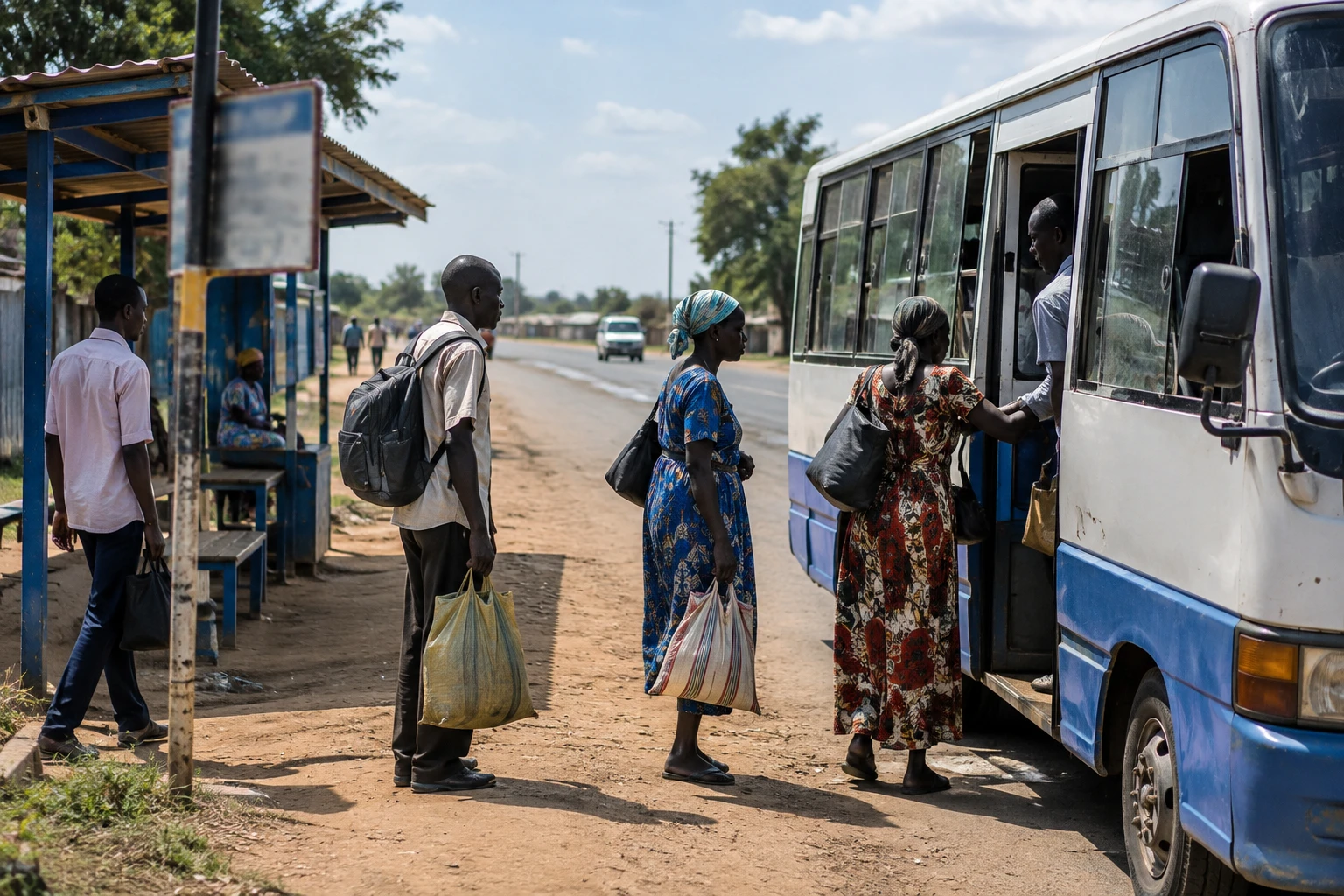
In Abiemnom, signs of imminent danger were not enough to prevent the attack. Nine months after the killings, one question remains at the heart of the debate: how can civilians be better protected when the authorities and peacekeepers are warned, but have limited resources?
An attack preceded by warning signs
Abiemnom is in the Ruweng Administrative Area, in northern South Sudan, near the border with Sudan. On 1 March 2026, armed men from neighbouring Mayom County, in Unity State, attacked the town. Amnesty International estimates their number at between 1,000 and 1,500. Its investigation describes an attack lasting about four hours, in which residents were killed, homes set on fire, and shops and parts of the hospital looted.
The death toll varies according to the time and source. At the start of the attack, the United Nations Mission in South Sudan (UNMISS) reported dozens of deaths, without confirming a total. In its report published on 12 November, Amnesty cites a toll of 213 deaths reported by the authorities, including residents, members of the security forces and foreign nationals. The organisation also reports at least 109 people injured. These figures should remain attributed: the first counts, published amid the chaos, were lower.
The UN mission said tensions had been rising since 27 February. On 28 February, about 1,000 civilians were already seeking refuge near its base. The following day, it announced that more than 1,000 people were sheltering there. UNMISS later said it had protected about 2,500 people at the height of the influx. These figures reflect estimates communicated at different times, and are not necessarily contradictory counts of the same people.
Amnesty says the South Sudanese authorities and UNMISS had received warnings several days earlier of a possible attack. Unity State officials are reported to have acknowledged that they knew of a threat. Residents also reported information about the mobilisation of fighters and weapons in Mayom. The organisation believes these warnings called for a stronger preventive response.
Emergency protection and the mission’s limits
UNMISS says it responded to the warning signs by engaging with officials in Mayom and community leaders in Abiemnom. It says it repeatedly requested reinforcements from the national forces. During the attack, its peacekeepers sheltered civilians at their base and provided medical care to the injured. The mission’s spokesperson explained that available resources had been concentrated on the immediate protection of those who had taken refuge there, rather than spread across several tasks at once.
This response does not dispel Amnesty’s central criticism: why were no reinforcements or stronger preventive measures deployed before 1 March? The mission says its presence in Abiemnom was limited and its local operation was in the process of closing, amid budget restrictions and falling troop numbers. These constraints shed light on its operational choices. On their own, however, they do not settle whether other measures were possible.
The South Sudanese government, too, is being asked to deliver on its promise of an investigation after the attack. Amnesty says no investigation had yet been conducted when its report was published. The organisation is calling for an independent and impartial investigation, as well as a parliamentary inquiry and access to reparations for survivors and families. It is also urging UNMISS to review its own response and make its findings public.
Local violence amid a fragile national transition
The clashes occurred amid community tensions and reprisals. According to Amnesty, the killings may be linked to the earlier killing of young men from Mayom in Abiemnom, although this hypothesis does not establish the responsibility of each attacker. Violence had already struck the region in April 2025. In March 2026, the Monitoring and Verification Mechanism of the peace agreement also called for an urgent investigation and the establishment of accountability.
Nationally, the violence comes as the 2018 Revitalised Peace Agreement, which has guided the transition after the civil war, remains only partly implemented. The authorities have set 22 December 2026 as the scheduled date for general elections. The African Union and the Intergovernmental Authority on Development (IGAD), an East African regional organisation involved in the peace process, stress the need to continue dialogue and make progress on transition commitments. The security of communities far from Juba has a direct bearing on the credibility of this political milestone.
For the people of Abiemnom, the immediate issue goes beyond announcing an investigation: it is being able to return home, access medical care and resume their activities without fearing another attack. For national institutions, the task is to protect civilians and demonstrate that the violence will not go unpunished. For UNMISS, the episode raises the question of whether a mission with reduced resources can anticipate threats, rather than merely shelter those fleeing them.
The case will also be watched beyond South Sudan. IGAD, the African Union and the UN support the peace process, while UNMISS depends on a mandate and resources decided at international level. Peacekeeping funding is therefore tied to a local reality: the ability to maintain a presence in remote areas, where national reinforcements are sometimes slow to arrive. The next steps will be concrete: publication of the findings of an investigation, an independent review of the mission’s response, and changes to protection in Abiemnom as the political transition approaches its electoral deadline.