Algeria
 Egypt
 Libya
 Morocco
 Sudan
 Tunisia
 Benin
 Burkina Faso
 Cabo Verde
 Côte d'Ivoire
 Ghana
 Guinea
 Guinea-Bissau
 Liberia
 Mali
 Mauritania
 Niger
 Nigeria
 Senegal
 Sierra Leone
 The Gambia
 Togo
 Cameroon
 Central African Republic
 Chad
 DR Congo
 Equatorial Guinea
 Gabon
 Republic of the Congo
 São Tomé and Príncipe
 Burundi
 Comoros
 Djibouti
 Eritrea
 Ethiopia
 Kenya
 Madagascar
 Malawi
 Mauritius
 Mozambique
 Rwanda
 Seychelles
 Somalia
 Tanzania
 Uganda
 Angola
 Botswana
 Eswatini
 Lesotho
 Namibia
 South Africa
 Zambia
 Zimbabwe
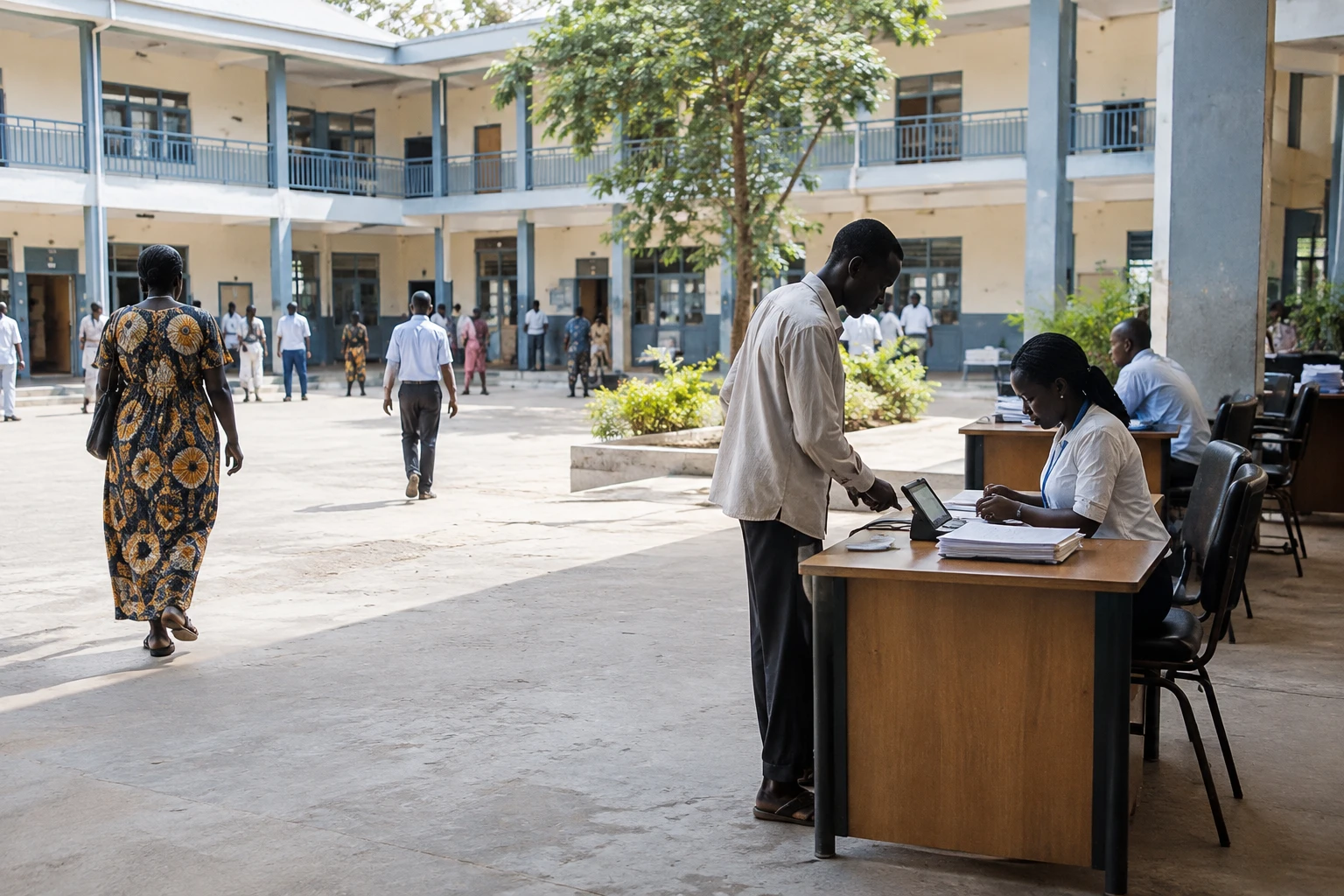
In a country where millions of people have been displaced and the peace process remains fragile, compiling an electoral roll is not enough to guarantee an inclusive poll. In South Sudan, voter registration is beginning as the 22 December deadline approaches and several political conditions remain contested.
A 15-day nationwide operation
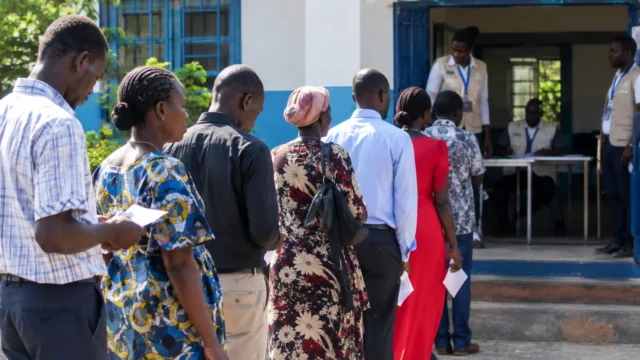
The National Elections Commission (NEC) has set registration for 14 to 28 November 2026. The operation is to cover 3,161 centres in the country’s ten states and three administrative areas. The general election is scheduled for 22 December.
In Juba, the Commission’s chair, Gabriel Bol Deng, said 22,127 officials had been recruited and trained. But as of 13 November, materials had reached the state and administrative-area capitals, without yet reaching registration centres. Their distribution was expected to be completed in the following days, according to the NEC, as reported by South Sudanese media outlet Radio Tamazuj.
The Commission plans to publish a provisional register after the registration period. It is asking eligible citizens to check their details and register only once. Traditional leaders could help people without formal identity documents establish their eligibility, its chair said.
The timetable is tight: registration is to last 15 days, while voting is scheduled less than a month later. Delivery delays, travel difficulties and access to areas affected by violence could complicate the operation. The announced deployment of officials does not in itself guarantee that every centre will be operational and accessible.
An election at the heart of an unfinished transition
Independent since 2011, South Sudan has never held a general election. The anticipated vote was meant to mark the end of the transition set out in the 2018 peace agreement, signed after the civil war that broke out in 2013 between Salva Kiir’s forces and those of Riek Machar.
The country remains a member of the Intergovernmental Authority on Development (IGAD), the regional organisation in the Horn of Africa that has taken part in mediation efforts. The 2018 agreement established power-sharing and set out political and security steps ahead of the election. Yet the permanent constitution and national population census, initially linked to preparations for the vote, have been postponed until after the election by amendments adopted in 2026, according to discussions reported at the UN Security Council.
These postponements raise a fundamental question: can the vote end the transition if the political rules that were meant to govern it remain disputed? In a resolution adopted on 6 November, the African Commission on Human and Peoples’ Rights said the conditions necessary for a free, fair and inclusive election were not in place. It also noted that registration had not begun by 12 October and voiced concern over legislative amendments and the detention of opposition leaders.
Participation means more than the number of registered voters
Riek Machar, the main opposition leader and suspended first vice-president, has been under house arrest since March 2025 and is standing trial on charges disputed by his allies. President Salva Kiir dissolved the transitional government in September 2026 and appointed an interim administration. In this context, the technical process of voter registration alone does not address questions about the participation of political forces and confidence in the process.
The stakes are also tangible for voters. Displaced people, communities far from registration centres and those affected by violence may face different obstacles. The African Commission estimates that more than two million displaced South Sudanese could be at risk of exclusion from the election. The figure is attributed to the institution; it underlines that equal voting rights will also depend on practical access to registration.
The African Union Commission and UN officials have also highlighted the risks of holding an election without political dialogue or adequate safeguards. The AU representative for South Sudan has called for security reforms and talks between the parties to continue. South Sudanese authorities, for their part, defend holding the vote and say they want to avoid further postponements.
Regional focus turns to the process’s credibility
For South Sudanese, therefore, the deadline is about more than publishing a register. It concerns the possibility of turning a prolonged transition into recognised institutions without reigniting fighting. For residents of major cities and rural areas alike, confidence will depend on clear rules, accessible centres and guarantees enabling different political groups to take part.
At regional and continental level, IGAD, the African Union and the UN will monitor the authorities’ ability to reconcile the timetable with security and inclusiveness. The next immediate step will be publication of the provisional register, followed by verification of candidates. Whether these steps are completed — and what place is given to opponents, displaced people and remote communities — will weigh on the credibility of the 22 December election.