Algeria
 Egypt
 Libya
 Morocco
 Sudan
 Tunisia
 Benin
 Burkina Faso
 Cabo Verde
 Côte d'Ivoire
 Ghana
 Guinea
 Guinea-Bissau
 Liberia
 Mali
 Mauritania
 Niger
 Nigeria
 Sierra Leone
 The Gambia
 Togo
 Cameroon
 Central African Republic
 Chad
 DR Congo
 Equatorial Guinea
 Gabon
 Republic of the Congo
 São Tomé and Príncipe
 Burundi
 Comoros
 Djibouti
 Eritrea
 Ethiopia
 Kenya
 Madagascar
 Malawi
 Mauritius
 Mozambique
 Rwanda
 Seychelles
 Somalia
 South Sudan
 Tanzania
 Uganda
 Angola
 Botswana
 Eswatini
 Lesotho
 Namibia
 South Africa
 Zambia
 Zimbabwe
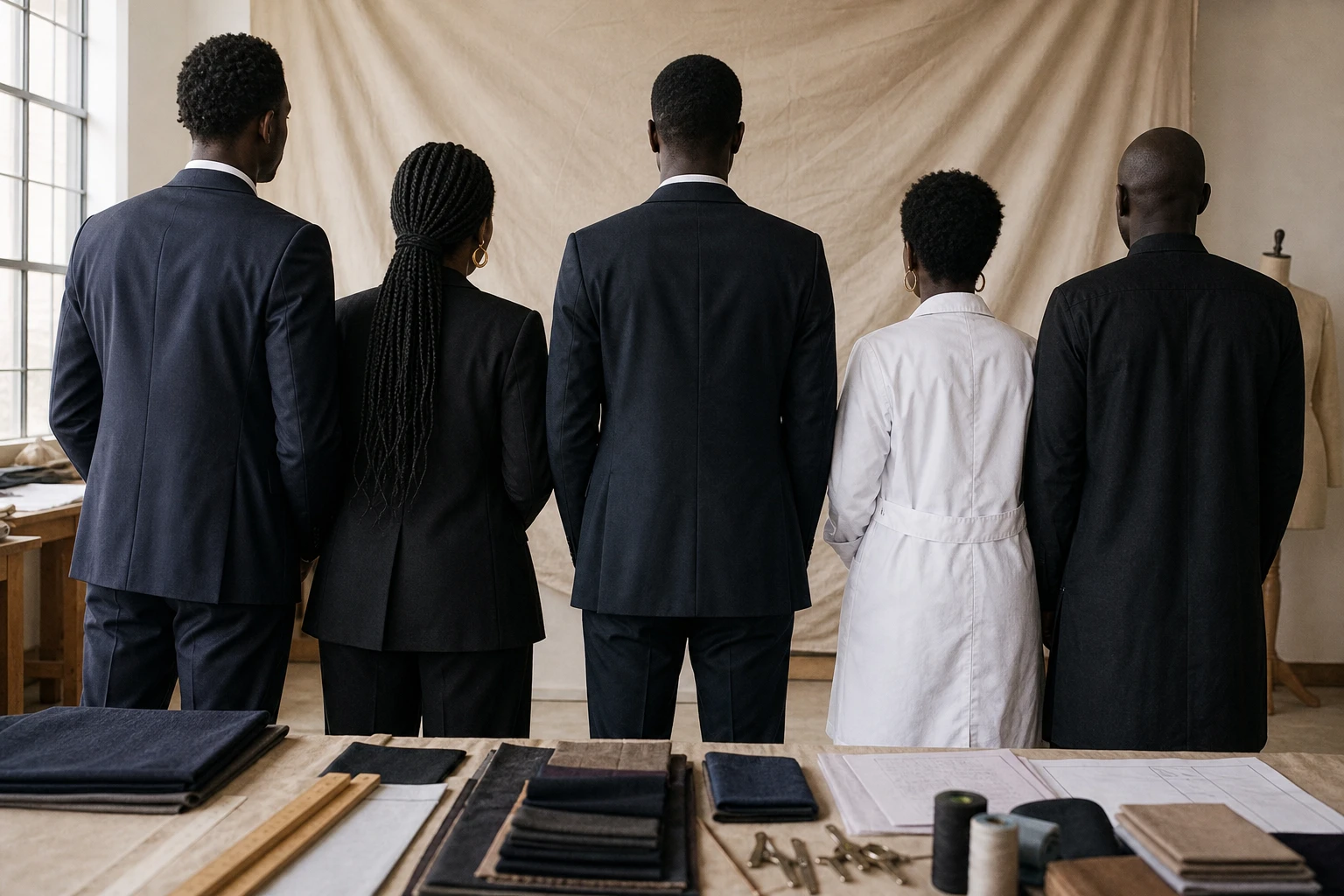
When a Dakar fashion house enters wardrobes around the world
In Dakar, a fashion brand can emerge far from the major European fashion shows and still speak on equal terms with established houses in Paris or New York. This shift in the centre of gravity is what makes Tongoro’s story interesting: it is not just an individual success, but a signal for Africa’s creative industries. Tongoro says it aims to design and produce in Senegal, with an openly local base, while targeting an international clientele.
The issue goes beyond fashion alone. In Senegal, industry remains a stated pillar of economic transformation, while the textile production base is still incomplete and heavily exposed to imports of materials and equipment. The National Agency for Statistics and Demography says the country aims to make industry a pillar of development, with a focus on added value and moving upmarket. In this context, a brand such as Tongoro serves as a showcase, but also as a test of the local sector’s capabilities.
A designer, a story, and Dakar as a workshop
Sarah Diouf launched Tongoro in Dakar in 2016. The brand champions a “100% Made in Africa” model: its pieces are designed and produced in the Senegalese capital, with local tailors. The name itself reflects the project’s pan-African outlook, as it means “star” in Sango, a language of the Central African Republic. The founder first worked in image-making, digital publishing and brand storytelling before building a clothing line. This background in content partly explains Tongoro’s visual coherence.
Her path also reflects a distinctly contemporary African and diasporic flow. Born in Paris in 1988, she grew up in Côte d’Ivoire before pursuing studies in marketing and communications in France. She went on to found publishing projects focused on African and Arab creators, and later on Black cultures. This experience laid the groundwork for a rare positioning: a brand that does not seek to copy Western luxury codes, but to establish its own aesthetic references.
Tongoro’s rise to global visibility came when Beyoncé wore several of the brand’s pieces, notably during a trip to Italy in 2018. Specialist media noted an immediate effect on the label’s profile. The relationship later continued with Black Is King, the visual project linked to The Lion King: The Gift, in which a black-and-white Tongoro outfit appears on screen. The brand has also worked on other stage appearances, including outfits for the Cowboy Carter tour.
What Tongoro reveals about Senegal’s creative economy
Tongoro’s case shows, first, that an African brand can control part of its value chain without moving its headquarters to Europe. Production in Dakar, online sales and direct relationships with customers reduce some costs associated with dependence. They also avoid the obligatory route through traditional luxury shop windows. For a Senegalese designer, this is a strategic shift: the brand builds its image from Africa, rather than from a satellite office elsewhere.
But the story is more nuanced than a simple slogan. Sarah Diouf herself has explained that tailors needed training to deliver more regular and consistent production, because artisanal made-to-measure work is not enough when demand rises. She has also pointed out that some fabrics bought in Dakar’s markets are still imported. In other words, Tongoro’s “Made in Africa” credentials are strong in design and garment-making, but remain partial further up the textile supply chain. This is an important point for Senegal, where industrial upgrading also depends on inputs, training and logistics.
This reality directly affects the skilled workers in the sector. Tailors, cutters, fabric sellers and workshops gain visibility as demand grows. However, African brands that succeed internationally soon face a simple question: how can they produce more without losing the quality or distinctiveness that built their reputation? In Dakar, this tension is central. It affects the formal economy, but also the informal sector, which still sustains a large share of fashion-related trades.
An impact that reaches beyond fashion
Across West Africa, Tongoro also speaks to cultural sovereignty. The brand draws on Malick Sidibé, Seydou Keïta, J. D. ‘Okhai Ojeikere and Samuel Fosso — an African visual heritage in which clothing expresses urban modernity, social confidence and style. This is no mere aesthetic detail. It is a way of asserting that African references can become luxury codes, rather than simply peripheral signs of “inspiration”.
The connection with major stars, for its part, has a ripple effect across the continent. When a Dakar house dresses Beyoncé, Naomi Campbell, Alicia Keys, Iman or Burna Boy, it opens a symbolic door for other African designers. Recognition no longer comes only from a European fashion show or editorial approval from the Global North. It can also emerge from an African workshop, a digital platform and a brand strategy built locally. This shift echoes the African Development Bank’s research on fashion as a sector that can drive transformation, job creation and added value.
For Senegal, then, the stakes go beyond one brand’s fame. The question is whether Dakar can become a lasting hub for design, manufacturing and distribution for other African fashion houses. The issue is regional as well as national, in a West African region where ECOWAS is still seeking to ease trade and where competition from imports remains fierce. Tongoro shows that a coherent story can start in Dakar and travel far. The challenge is to turn this breakthrough into an industry.