Algeria
 Egypt
 Libya
 Morocco
 Sudan
 Tunisia
 Benin
 Burkina Faso
 Cabo Verde
 Côte d'Ivoire
 Ghana
 Guinea
 Guinea-Bissau
 Liberia
 Mali
 Mauritania
 Niger
 Nigeria
 Senegal
 Sierra Leone
 The Gambia
 Togo
 Cameroon
 Central African Republic
 Chad
 DR Congo
 Equatorial Guinea
 Gabon
 Republic of the Congo
 São Tomé and Príncipe
 Burundi
 Comoros
 Djibouti
 Eritrea
 Ethiopia
 Madagascar
 Malawi
 Mauritius
 Mozambique
 Rwanda
 Seychelles
 Somalia
 South Sudan
 Tanzania
 Uganda
 Angola
 Botswana
 Eswatini
 Lesotho
 Namibia
 South Africa
 Zambia
 Zimbabwe
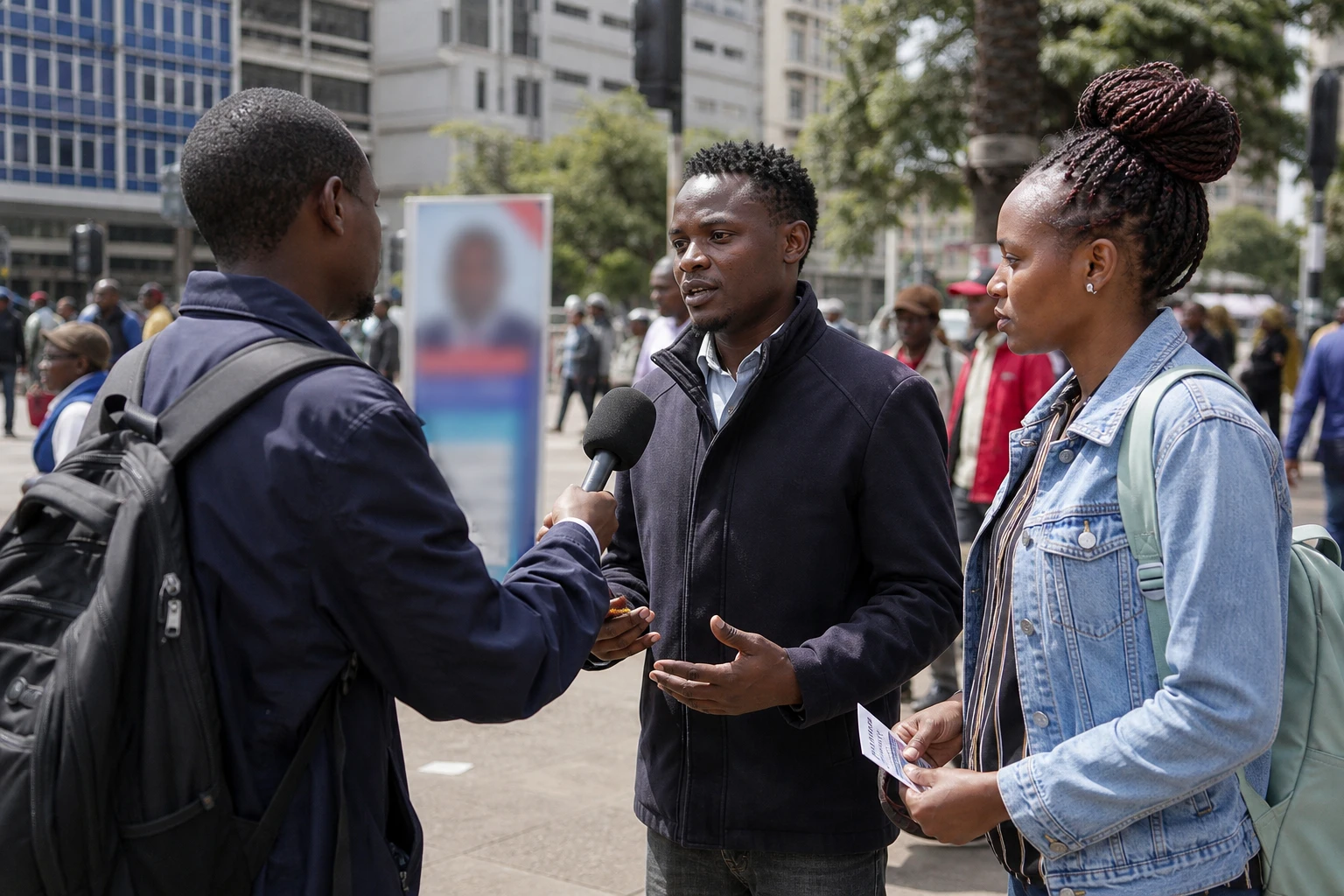
When the digital economy is built on invisible hands
In Nairobi, the growth of AI and digital services also depends on a discreet, multilingual and highly exposed workforce. In Kenya’s content moderation and data labelling sector, platforms promise speed and accuracy; workers, meanwhile, speak chiefly of pressure, surveillance and psychological strain. This tension is no longer marginal. It is becoming a labour law issue, in Kenya as well as Europe.
The case concerns Teleperformance, a listed French group and global provider of outsourced digital services, present in nearly 100 countries, according to its own financial communications. The group says it serves major brands with customer relations, back-office and data processing services. But its expansion into AI-related activities also puts its subsidiaries under closer scrutiny, because these jobs depend on employees able to handle sensitive content for long hours.
Kenya already has rules, but enforcement remains the weak point
Kenya is not a legal vacuum. Employment legislation protects the right to organise in trade unions, prohibits certain forms of penalty linked to union membership and recognises migrant workers with regular immigration status. At the same time, foreign nationals coming to work in the country must hold a work permit or appropriate residence permit issued by the Directorate of Immigration. These rules set a clear framework. The problem, according to the organisations denouncing Teleperformance, lies in their implementation across opaque subcontracting chains.
On 9 September 2026, the CGT-FAPT, the French trade union for the postal and telecommunications sector, along with the Data Labelers Association and The Oversight Lab Africa, formally notified Teleperformance SE that it must revise its vigilance plan. Their argument is straightforward: the group’s system does not do enough to protect data workers exposed to content moderation and the annotation of images or texts for AI. The organisations say they are drawing on research into the Kenyan subsidiary and findings of violations of labour and immigration rules.
According to these organisations, some foreign recruits were allegedly declared as coming for “training” rather than work, in order to circumvent administrative requirements. They also claim that employees were given instructions ahead of immigration checks. These remain allegations. They should therefore be read as such. But they touch on a sensitive issue in Kenya: the regularity of people’s stay, access to formal work and the vulnerability of migrants in a regional economy where Nairobi attracts workers from East Africa and beyond.
The heart of the dispute: mental health, status and the power to say no
The second strand is better known, but just as central. Content moderators spend their days facing violent, sexual or disturbing images. Local players in the sector, such as the Data Labelers Association, describe tight productivity targets, close monitoring and a lack of psychosocial support. Earlier investigations and legal proceedings in Kenya have already shown that moderation for major platforms is not simply office work: it is an activity that can cause serious psychological harm when support is inadequate.
The most striking precedent remains the case of moderators working for Meta through Sama, a Kenyan outsourcing company. Kenya’s courts have accepted that these disputes can be heard in Kenya, and the Court of Appeal confirmed in 2024 that Meta could be sued in the country. This litigation has established a new idea: global clients can no longer hide entirely behind their local contractors when working conditions, mental health or freedom of association are at issue. For employees, it opens a door. For companies, it is a warning.
In Teleperformance’s case, the issue goes beyond employment conditions alone. It concerns the power to speak, join a union and refuse certain practices without fear of retaliation. Kenyan law protects these rights in principle. Yet union and civil society groups say that, in call centres and data supply chains, insecure contracts and immigration status leave employees less able to speak out. That is where the case becomes tangible: when contracts are short, working languages are multiple and residency depends on the job, the freedom to protest quickly narrows.
A test for Nairobi, but also for East Africa and Europe
This case resonates far beyond Kenya. Across East Africa, it is a reminder that a competitive digital economy is measured not only by the number of investors or undersea cables, but also by the quality of the invisible work that powers platforms. Nairobi wants to remain a digital services hub in the East African Community. That requires clear rules on employment, immigration, workplace health and the responsibility of clients. Otherwise, competitive advantage is built on imported precarity.
In Europe, the proceedings brought in France are also testing the effectiveness of the duty of vigilance, the law that requires large companies to prevent serious human rights violations across their business chains. If mediation fails within the deadline announced by the claimant organisations, legal action could follow. The signal matters for the entire AI sector: annotation, moderation and supervision tasks are not peripheral. They are at the heart of the business model. And if these tasks are poorly protected, the technological promise rests on human vulnerability that the courts are beginning to scrutinise closely.