Algeria
 Egypt
 Libya
 Morocco
 Sudan
 Tunisia
 Benin
 Burkina Faso
 Cabo Verde
 Côte d'Ivoire
 Guinea
 Guinea-Bissau
 Liberia
 Mali
 Mauritania
 Niger
 Nigeria
 Senegal
 Sierra Leone
 The Gambia
 Togo
 Cameroon
 Central African Republic
 Chad
 DR Congo
 Equatorial Guinea
 Gabon
 Republic of the Congo
 São Tomé and Príncipe
 Burundi
 Comoros
 Djibouti
 Eritrea
 Ethiopia
 Kenya
 Madagascar
 Malawi
 Mauritius
 Mozambique
 Rwanda
 Seychelles
 Somalia
 South Sudan
 Tanzania
 Uganda
 Angola
 Botswana
 Eswatini
 Lesotho
 Namibia
 South Africa
 Zambia
 Zimbabwe
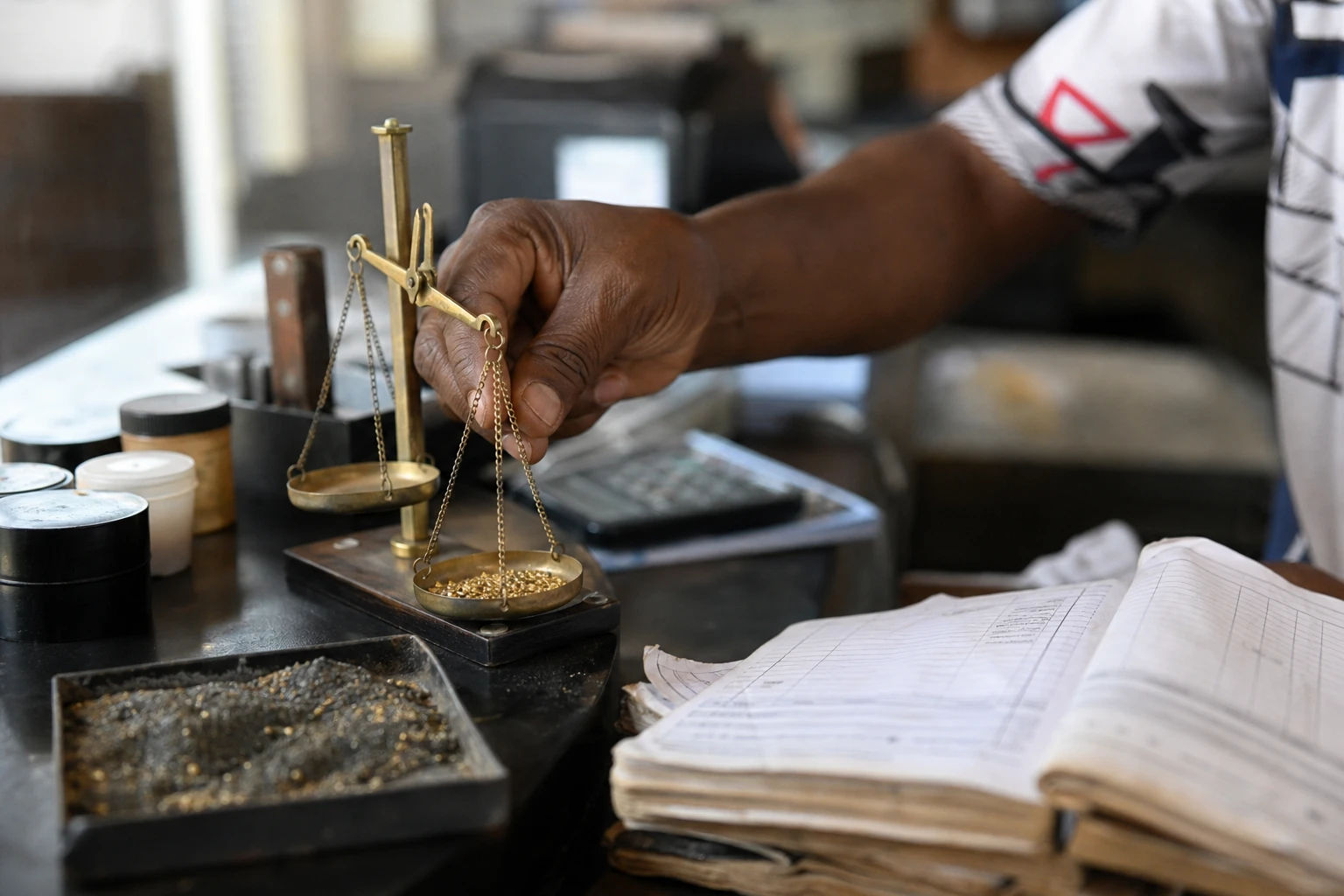
At Tarkwa, output slows as the Ghanaian state controls the timetable
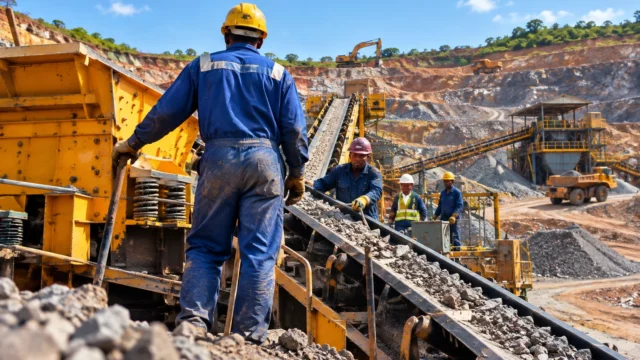
In western Ghana, the Tarkwa mine is more than a major gold-producing site. It also carries weight for employment, public revenue and the balance of an industry in which gold remains the country’s leading export driver. When an asset of this size enters a period of uncertainty, it is not just a mining group asking questions. An entire area, from Tarkwa to Accra, is watching closely to see what happens next.
The issue comes at a particular moment for Ghana. Since 2025, the country has strengthened its oversight of the gold sector, establishing the Ghana Gold Board, while the government has sent increasingly clear signals that it intends to take back control of the mining value chain. At the same time, the West African region remains focused on the stability of major extractive projects, which underpin exports, foreign exchange and tax revenue.
A sharp slowdown in the first half
Gold Fields said Tarkwa produced 192,000 ounces of gold in the first half of 2026, down 18% on a year earlier. The group attributed the decline to lower ore grades, problems reconciling grades in part of the pit, and adverse rainfall that disrupted loading, haulage and drilling.
The decline is not new. In 2025, the site produced 474,500 ounces, compared with 537,200 ounces in 2024. The group expects an improvement in the second half of 2026, thanks to better ore availability. But it also warned that the recovery might not be enough to make up the shortfall for the year as a whole.
Financially, Tarkwa remains a major asset. Gold Fields said lower volumes were partly offset by a higher gold price, supporting the site’s cash generation. In other words, the mine is selling fewer ounces, but in a market where gold is worth more than it was a year ago, limiting the immediate impact of the slowdown on its accounts.
Lease renewal becomes a political and economic test
The most sensitive issue, however, remains legal and political. Tarkwa’s concessions are due to expire in April 2027. Gold Fields says it submitted a renewal application in November 2025, followed by a commercial proposal to the Ghanaian government in July 2026. The group says it is awaiting a formal response from Accra and has no confirmed timetable for the next stage of discussions.
This process is unfolding as Ghanaian authorities take a firmer line on mining governance. In 2025 and 2026, the Ministry of Lands and Natural Resources launched a series of initiatives focused on local value creation, lease regulation and oversight of economic benefits. The government has also made progress on other sensitive issues, such as Damang, where it launched a call for strategic investors in March 2026. The signal matters: in Accra, the aim is no longer simply to extend concessions, but to renegotiate the terms of mining companies’ presence.
At Tarkwa, this tougher stance meets genuine social expectations. Local chiefs and several civil society voices have called for the state to give greater priority to Ghanaian ownership or stronger national control of the site. Others, by contrast, argue for an extension of the concession in the interests of investment stability, jobs and technical continuity. The debate is therefore not simply “for” or “against” Gold Fields. It weighs economic sovereignty, predictability for operators and benefits for communities in the mining area.
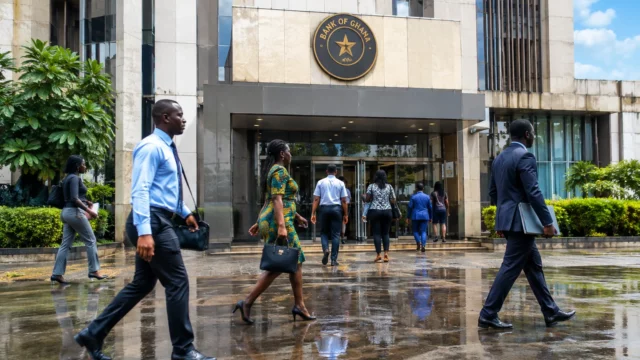
The country’s figures give this standoff wider significance. In 2025, gold accounted for 63.1% of Ghana’s exports, according to the Ghana Statistical Service, while total exports reached $31.11bn, according to the Bank of Ghana. In this context, every major mine matters. If Tarkwa’s slowdown continues, the impact will extend beyond the Tarkwa-Nsuaem district: it will affect the trade balance, foreign exchange reserves and, in turn, the country’s room for macroeconomic manoeuvre.
What Tarkwa says about Ghana, and beyond
The situation at Tarkwa also reflects a broader shift in West Africa. States want more value added, greater control over resources and better traceability of gold flows. Ghana is showing this through GoldBod and its tough negotiations over mining leases. But it must also preserve its reputation as a stable regulatory environment, which remains essential to attracting large-scale capital to an industry where investments span decades.
The Tarkwa case therefore comes at a turning point. The site remains an industrial pillar, but its production trajectory is losing momentum. Negotiations with Accra will determine whether the mine continues operating under new terms or Ghana opts for a different arrangement after 2027. In either case, the message to the rest of the continent will be closely watched: major deposits are no longer just places of extraction; they are also tests of economic sovereignty.