Algeria
 Egypt
 Libya
 Morocco
 Sudan
 Tunisia
 Benin
 Burkina Faso
 Cabo Verde
 Côte d'Ivoire
 Ghana
 Guinea
 Guinea-Bissau
 Liberia
 Mali
 Mauritania
 Niger
 Nigeria
 Senegal
 Sierra Leone
 The Gambia
 Togo
 Cameroon
 Central African Republic
 Chad
 DR Congo
 Equatorial Guinea
 Gabon
 Republic of the Congo
 São Tomé and Príncipe
 Burundi
 Comoros
 Djibouti
 Eritrea
 Ethiopia
 Kenya
 Madagascar
 Malawi
 Mauritius
 Mozambique
 Rwanda
 Seychelles
 Somalia
 South Sudan
 Uganda
 Angola
 Botswana
 Eswatini
 Lesotho
 Namibia
 South Africa
 Zambia
 Zimbabwe
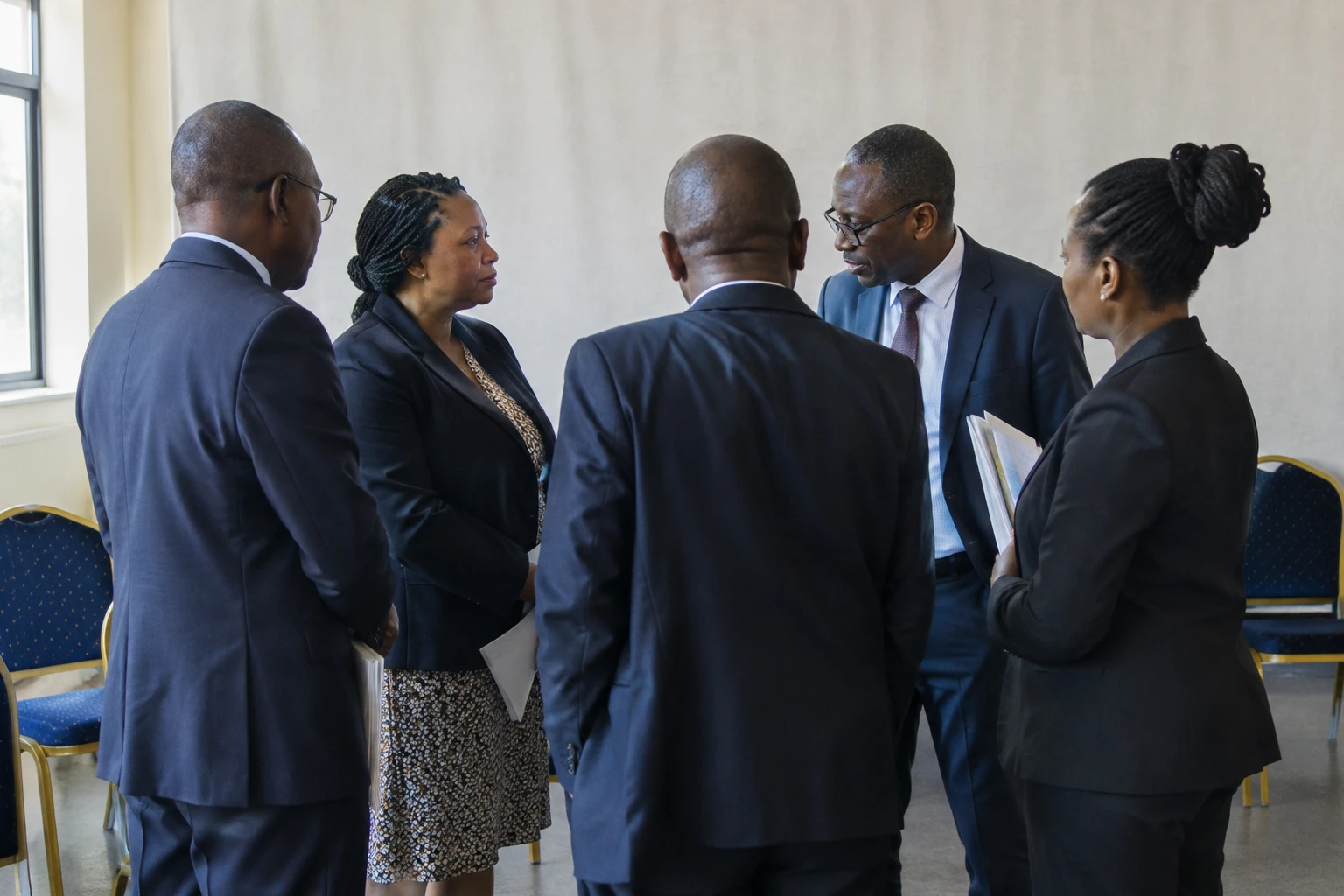
In Tanzania, a treason charge can expose the accused to the death penalty. On 21 October 2026, that legal threat drew closer to another Chadema official, as the trial of the party’s president, Tundu Lissu, still awaited its verdict.
A charge linked to the 2025 election
John Pambalu, a member of Chadema’s national council and former head of its youth wing, appeared before a court in Dar es Salaam on 21 October. The prosecution alleges that he sought to incite the public to obstruct the 2025 general election and organised demonstrations to intimidate the government. These are judicial allegations, not established facts.
Tanzanian media report that the alleged acts took place between September and 29 October 2025. Pambalu is the second senior Chadema official to face treason charges, after Tundu Lissu, who was arrested in April 2025. Tanzanian law provides for the death penalty for this offence. Mwanahalisi Online’s report and that of Habari Mpya agree on the date and general substance of the charge.
In Arusha, Chadema vice-president John Heche said he had learnt of Pambalu’s charge. He also said he expected to be targeted himself, while insisting he would not leave the country. These remarks, reported in the available material, express the party’s position; they do not establish that new proceedings have been initiated.
Contested election and excluded opposition
The case is part of the political crisis that began before the general election of 29 October 2025. Chadema, the main opposition party, was excluded from the vote by the electoral commission. African Union observers judged the election to be non-competitive, notably because of this exclusion and the disqualification of ACT-Wazalendo’s candidate. The African mission called for constitutional reforms and a more inclusive political approach.
President Samia Suluhu Hassan, who has been in power since 2021 following the death of John Magufuli, was declared re-elected with nearly 98% of the vote. The scale of this result, in an election in which the main opposition party could not compete, is central to the dispute. However, on its own, it is not enough to establish electoral fraud legally. The African Union election observation mission’s preliminary statement documents concerns about the competitiveness of the vote.
Samia Suluhu Hassan’s time in office was initially marked by a relaxation of some restrictions on the media and political gatherings. Since then, opposition figures and human rights organisations have denounced a shrinking of political space. This contrast matters: the issue is not merely a succession of criminal proceedings, but whether parties can challenge the rules of the game and campaign.
Disputed death tolls
The demonstrations and violence that followed the election left a heavy death toll, but the figures cited differ. A presidential commission of inquiry reported 518 deaths. The Associated Press reported this figure in April 2026, noting that the number could be higher, as some families had buried relatives without reporting their deaths. Opposition figures and sources cited in international media have put forward much higher estimates, which have not been established by a comprehensive independent count.
The difference between the estimates should neither be ignored nor presented as resolved. The commission was established by the presidency, and its impartiality is disputed by the opposition. The UN had earlier called for an investigation into the deaths and said it could not verify the tolls amid violence and internet shutdowns. The toll reported by the Associated Press and the agency’s report on the UN’s earlier appeal shed light on these limitations.
Lissu trial set to be a key marker
The charge against Pambalu comes as Tundu Lissu’s trial enters a decisive stage. The High Court is due to deliver its judgment on 6 November 2026, according to Tanzanian daily The Citizen. Lissu contests the charges against him. The verdict will provide an initial judicial marker in a case that has already become a symbol of the tension between state security and freedom of political expression.
For Tanzanians, the consequences may differ according to their place in political life: leaders and activists face prosecution, while voters face diminished competition and weakened trust in institutions. In Dodoma, the seat of government, the challenge will be to ensure credible proceedings and space for political debate. At regional level, the EAC, the East African Community, and the African Union face a practical question: how can they defend inclusive elections when a major party is excluded and its leaders are prosecuted for acts linked to electoral mobilisation?
The judgment expected in the Lissu case, the proceedings against Pambalu and any independent clarification of the post-election violence will therefore be closely watched. They will weigh on the credibility of Tanzanian institutions and the country’s relations with its regional partners.