Algeria
 Egypt
 Libya
 Morocco
 Tunisia
 Benin
 Burkina Faso
 Cabo Verde
 Côte d'Ivoire
 Ghana
 Guinea
 Guinea-Bissau
 Liberia
 Mali
 Mauritania
 Niger
 Nigeria
 Senegal
 Sierra Leone
 The Gambia
 Togo
 Cameroon
 Central African Republic
 Chad
 DR Congo
 Equatorial Guinea
 Gabon
 Republic of the Congo
 São Tomé and Príncipe
 Burundi
 Comoros
 Djibouti
 Eritrea
 Ethiopia
 Kenya
 Madagascar
 Malawi
 Mauritius
 Mozambique
 Rwanda
 Seychelles
 Somalia
 South Sudan
 Tanzania
 Uganda
 Angola
 Botswana
 Eswatini
 Lesotho
 Namibia
 South Africa
 Zambia
 Zimbabwe
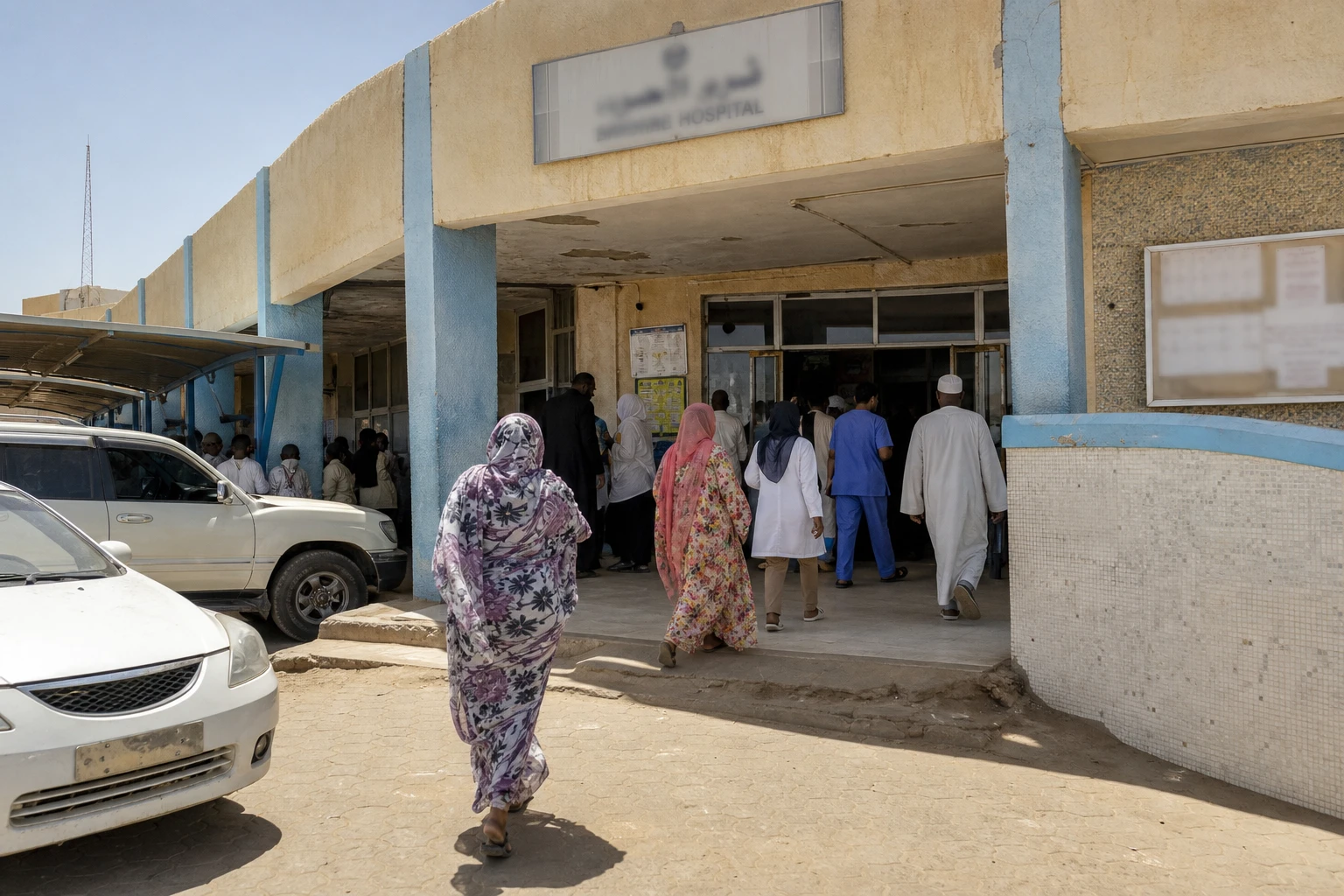
When hospitals become a secondary front
In Sudan, war is destroying more than front lines. It is also weakening the foundations of daily life: water, sanitation, basic healthcare, vaccination and disease surveillance. In several Sudanese states, this breakdown is fuelling the simultaneous spread of cholera, dengue, malaria, measles, hepatitis E and diphtheria. The country is facing a health crisis on top of its military one, with displaced families, rural areas and neighbourhoods already cut off from public services bearing the heaviest burden.
Khartoum remains the country’s centre of gravity, but the health crisis is now affecting several regions, notably Blue Nile, Gezira, Kordofan and Darfur. This shift is no minor development. It shows that in Sudan, war is no longer confined to security. It is also shaping public health, supply routes and the state’s ability to respond to emergencies.
Multiple outbreaks amid an exhausted health system
The latest available data paint a mixed but still worrying picture. The World Health Organization says nearly 40% of health facilities in Sudan are not functioning normally, while cholera, measles, malaria and dengue continue to spread amid low vaccination coverage. The UN agency also describes a country where conflict, displacement and access difficulties are making the health response fragmented.
In Blue Nile, local authorities reported a rapid rise in dengue in July. Sudanese media have also reported dengue cases in Gezira, Khartoum and other states, with outbreaks varying from one locality to another. International humanitarian organisations, meanwhile, confirm that several diseases are spreading at the same time in a country where shortages of medicines, reagents, fuel and staff often prevent patients from being monitored.
The cholera situation has evolved in waves. At the start of 2026, the federal Ministry of Health declared an outbreak over after several weeks without new cases. But the lull did not last. A fresh surge was observed in June, particularly in Kordofan and Darfur, with deaths reported and cases rising again in areas where clean water remains scarce. The WHO subsequently confirmed that the epidemic was continuing in its regional update.
Water, sanitation and war: the trio making everything worse
The heart of the problem is simple but brutal: without safe water, waste collection and functioning sanitation networks, infectious diseases find ideal conditions to spread. In Sudan, these basic services have been severely disrupted by more than three years of armed conflict. Mass displacement, bombing, power cuts and the destruction of infrastructure have reduced prevention capacity. In several regions, families are drinking, storing or using water whose quality can no longer be guaranteed.
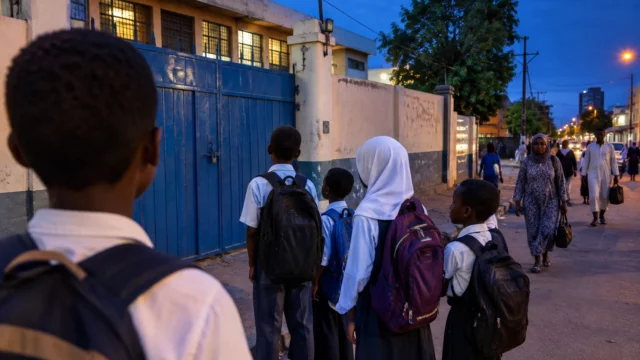
Children and displaced people are on the front line. UNICEF says the country is experiencing one of the world’s worst child displacement crises, with millions of people exposed to food insecurity, disrupted healthcare and contaminated water. The organisation also says it has supported more than 1.3 million people with primary healthcare this year and stepped up WASH — water, sanitation and hygiene — interventions in several states affected by cholera.
In this context, dengue is not merely a seasonal disease. It is becoming a measure of the collapse in mosquito-control efforts, the spread of stagnant water and the lack of regular spraying in high-risk areas. Malaria, too, thrives in the same conditions. These are overlapping chains of vulnerability, not isolated epidemics.
What this means for Sudanese people, and beyond
For households, the health crisis comes at an immediate cost. Seeking treatment can mean long journeys, cash payments, medicines that cannot be found and prohibitively expensive tests. In cities, clinics are overwhelmed. In rural areas, some villages no longer have a permanent health post. For traders, transport operators and informal workers, every school closure, neighbourhood evacuation and health alert further reduces incomes already squeezed by war.
For the Sudanese state, the challenge is twofold. It must respond to the emergency while rebuilding a minimum capacity for prevention. This requires medicines, laboratories, a cold chain for vaccines, repaired water networks and protected health workers. Yet in a country where fighting continues intermittently, public health also depends on humanitarian corridors, safe roads and the movement of supplies between Port Sudan, Khartoum and outlying states.
The impact of this crisis extends beyond Sudan. It speaks to the whole Horn of Africa and, more broadly, the continent: when protracted conflict destroys water systems, sanitation and health surveillance, outbreaks do not remain contained. They spread, cross borders and prompt regional organisations, the African Union and humanitarian agencies to consider security, health and population movements together. War has already displaced millions of people in Sudan. Public health, too, is now moving to the rhythm of the conflict.