Algeria
 Egypt
 Libya
 Morocco
 Sudan
 Tunisia
 Benin
 Burkina Faso
 Cabo Verde
 Côte d'Ivoire
 Ghana
 Guinea
 Guinea-Bissau
 Liberia
 Mali
 Mauritania
 Niger
 Nigeria
 Senegal
 Sierra Leone
 The Gambia
 Togo
 Cameroon
 Central African Republic
 Chad
 DR Congo
 Equatorial Guinea
 Gabon
 Republic of the Congo
 São Tomé and Príncipe
 Burundi
 Comoros
 Djibouti
 Eritrea
 Ethiopia
 Kenya
 Madagascar
 Malawi
 Mauritius
 Mozambique
 Rwanda
 Seychelles
 Somalia
 Tanzania
 Uganda
 Angola
 Botswana
 Eswatini
 Lesotho
 Namibia
 South Africa
 Zambia
 Zimbabwe
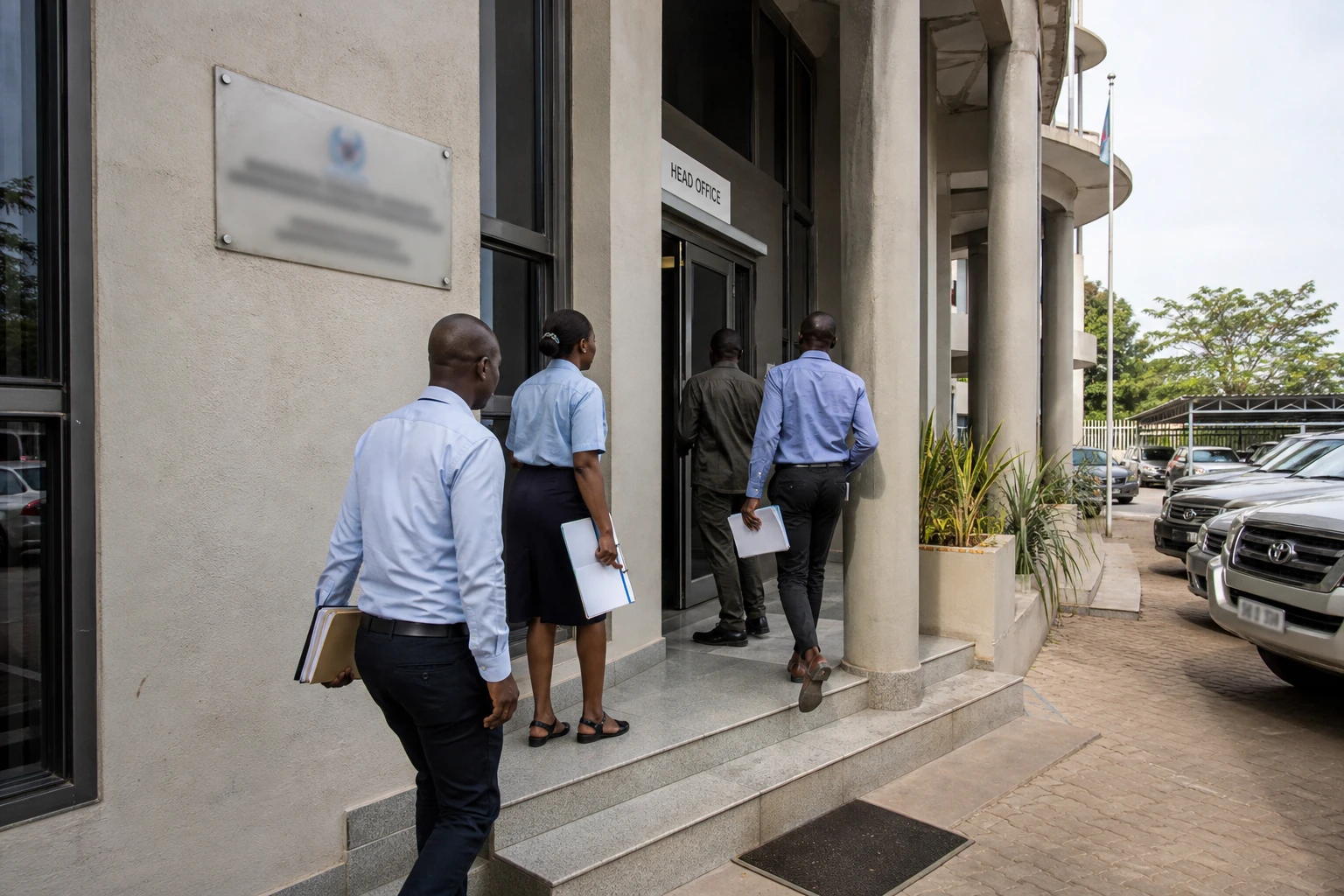
In Juba, the promise of a vote still runs up against the realities of power
In a country that has never held a national election since independence, the electoral timetable is already a test of truth. South Sudan now wants to hold its first national election on 22 December 2026, but its institutional machinery remains fragile, security is unstable and political distrust runs deep.
The stakes extend well beyond election day, making the tension all the greater. For South Sudanese, the question is whether the transition launched by the 2018 peace agreement can finally lead to lasting institutions, or whether it will remain suspended between repeated compromises among armed elites.
A country still in transition, under the watch of IGAD and the UN
South Sudan remains committed to the framework of the Revitalised Agreement on the Resolution of the Conflict, overseen by regional mechanisms such as IGAD, the Intergovernmental Authority on Development, which has closely monitored the political transition for several years. The organisation confirmed that the transition period would be extended until February 2027 and elections postponed to December 2026, a sign that the process remains incomplete.
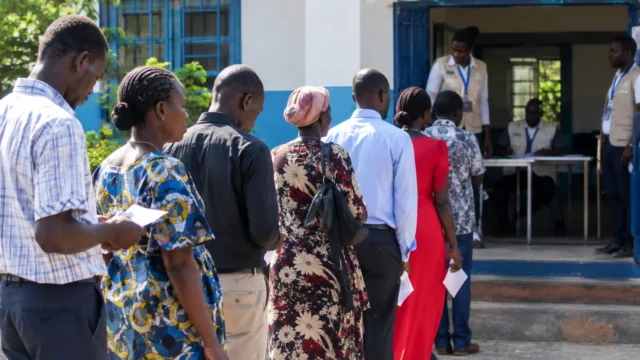
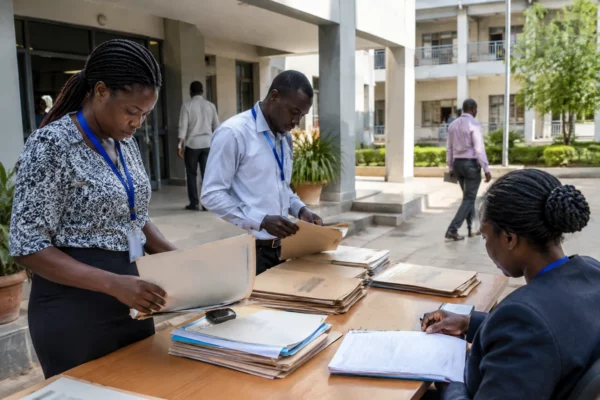
In Juba, the National Elections Commission has begun technical preparations. It says it is working on voter registration, training local teams and setting up field bodies. But it also acknowledges that legal, financial and logistical difficulties remain. In August 2026, it again cited security constraints and delays in implementing several parts of the peace agreement.
This situation explains the UN’s sustained attention. The Security Council and UN mechanisms have been warning for months that the political, security and financial conditions needed for a credible election are not yet in place.
The UN’s findings: impunity, corruption and a shrinking civic space
The United Nations Commission on Human Rights in South Sudan painted a bleak picture following its recent mission. It noted a lack of significant progress on political stability and the fight against corruption, even as the government says it is committed to going to the polls in December. The commission said the same patterns of violence persist, with little fundamental change.
Documented violations include killings of civilians, forced displacement, sexual violence, child recruitment, arbitrary detention and abusive prosecutions of political opponents. Experts are calling for independent investigations to end impunity, which they describe as one of the drivers behind the repeated abuses.
Public resources remain a central issue. In its 2025 report, the UN commission said that between July 2011 and December 2025, the state had generated about $24.5bn in oil revenue and received more than $3bn in unpaid oil-backed loans. Yet most people continue to face hunger, extreme poverty and inadequate public services.
This point is crucial. In a country where oil provides most public revenue, a lack of budget transparency undermines schools, hospitals, the justice system and the electoral administration. In other words, corruption is not merely a moral problem. It directly impedes the state’s ability to organise a credible vote.
What the election could change, and what it cannot change on its own
The December 2026 election carries immense symbolic weight. It could give South Sudan its first national electoral process since 2011, and therefore provide a test of legitimacy for the authorities in Juba. But setting a date is not enough to create a democratic transition. There must also be a voter register, a stable legal framework, secure funding, a neutral administration and at least some trust between the factions.
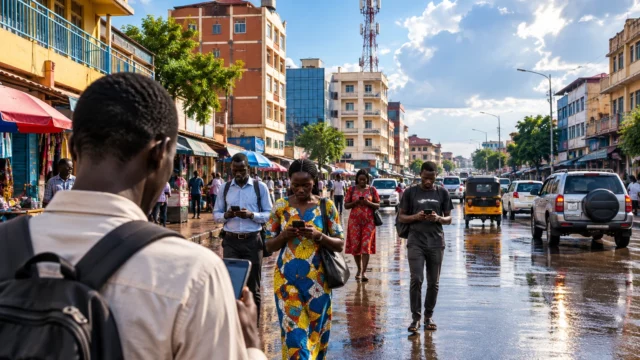
On the ground, the population is already paying the price for the delay. In several states, local violence, displacement and community tensions are complicating political participation. Cities, where information circulates more quickly and administrative structures are more established, are experiencing the transition differently from rural areas, which are often more exposed to insecurity and cut off from public services.
At the top of the state, the debate remains dominated by calculations of political survival. For citizens, however, the stakes are more concrete: having institutions that pay civil servants on time, protect civilians and allow open political debate. As long as impunity prevails, elections risk becoming a mere showpiece without addressing the root causes of the crisis.
The detention of Riek Machar, the long-standing rival of President Salva Kiir, adds another layer of tension to an already unstable landscape. The resumption of clashes between forces allied to the two men is a reminder that the power-sharing agreement has lost some of its practical coherence, even though it remains the official political basis of the process.
A test for East Africa, and a signal watched far beyond Juba
South Sudan’s trajectory matters to the whole of East Africa. The country is a member of IGAD and its fate has implications for regional security, notably through refugee flows, cross-border armed networks and the risk of political spillover. If the transition fails, the entire regional mediation framework will be weakened.
Conversely, a better-prepared election could open a new chapter in the Great Lakes region and the Horn of Africa. It would also be a test for the African Union, often called on to support transitions without always having the leverage needed to enforce timetables and democratic safeguards.
The next milestone is now clear: December 2026. Until then, the challenge is not simply to hold an election, but to create the minimum conditions for it to matter. For South Sudan, the difference between the two is immense. For the region, it is an indicator of stability. For citizens in Juba and the outlying states, it is the still-uncertain possibility of turning a prolonged transition into a genuine political choice.