Algeria
 Egypt
 Libya
 Morocco
 Sudan
 Tunisia
 Benin
 Burkina Faso
 Cabo Verde
 Côte d'Ivoire
 Ghana
 Guinea
 Guinea-Bissau
 Liberia
 Mali
 Mauritania
 Niger
 Nigeria
 Senegal
 Sierra Leone
 The Gambia
 Togo
 Cameroon
 Central African Republic
 Chad
 DR Congo
 Equatorial Guinea
 Gabon
 Republic of the Congo
 São Tomé and Príncipe
 Burundi
 Comoros
 Djibouti
 Eritrea
 Ethiopia
 Kenya
 Madagascar
 Malawi
 Mauritius
 Mozambique
 Rwanda
 Seychelles
 Somalia
 Tanzania
 Uganda
 Angola
 Botswana
 Eswatini
 Lesotho
 Namibia
 South Africa
 Zambia
 Zimbabwe
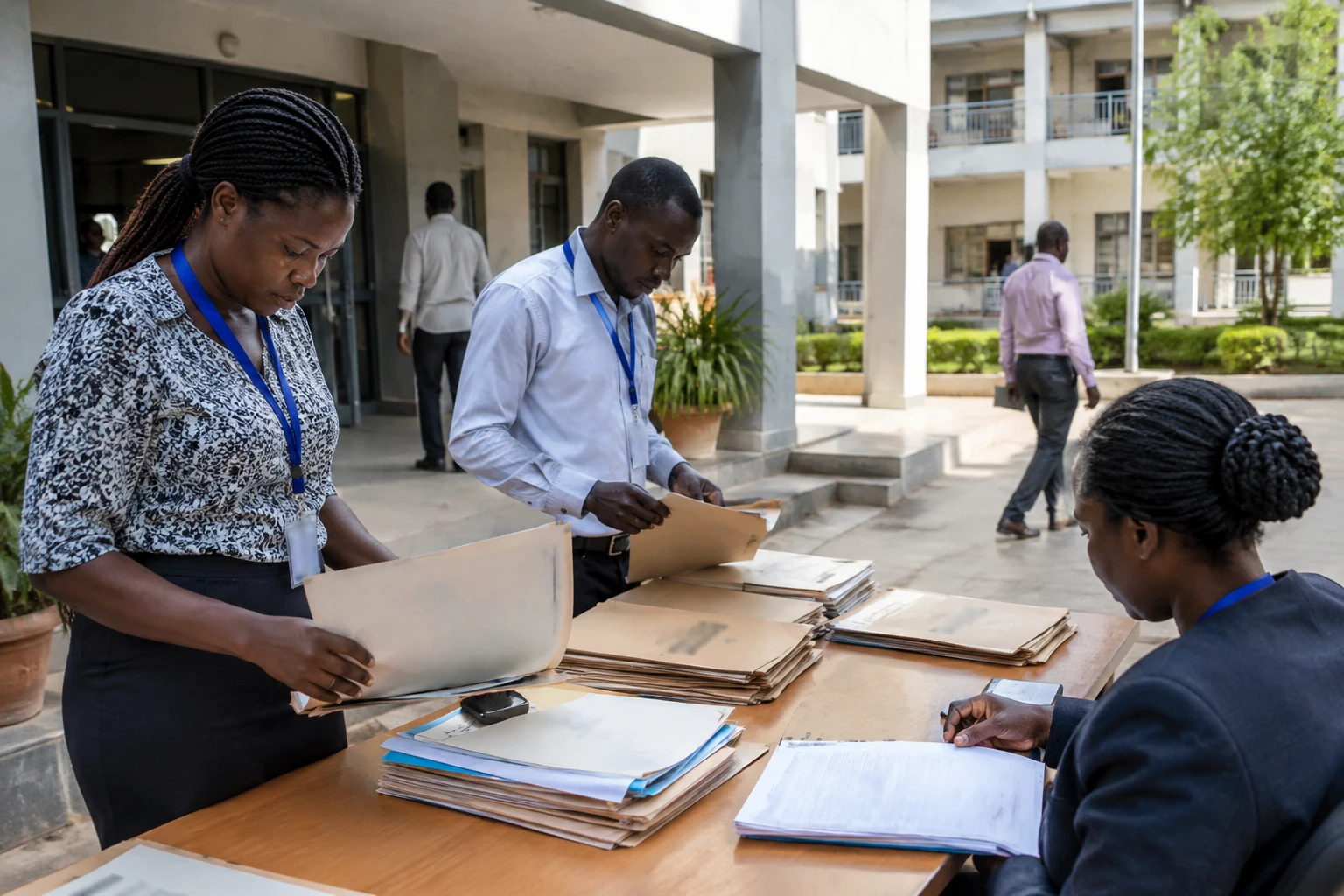
For South Sudanese, voter registration was meant to open the final stretch towards their first national election since independence. But the timetable changed just as the process was getting under way: the election is now set for 11 February 2027, instead of 22 December 2026.
The 51-day delay is more than a matter of organisation. It extends an already protracted political transition and brings a practical question back to the fore: will institutions and parties have the time, resources and guarantees needed to prepare a vote in which the population can take part?
A transition still unfinished
South Sudan has been independent since 2011. Yet the country has never held national general elections since its birth. The civil war that erupted in 2013 between the forces of President Salva Kiir and those of his rival Riek Machar upended the political timetable and weakened institutions.
The 2018 Revitalised Peace Agreement, signed to end the conflict, provides for a transitional period leading to elections. The text commits the main political actors to several tasks: power-sharing, institutional and security reforms, and election preparations. Some of these steps remain contested or unfinished.
Previous postponements have already pushed back the election, notably in 2022 and then in 2024. In September 2024, the signatory parties extended the transition until February 2027 and set December 2026 for the elections. The new timetable therefore places the vote after the transition deadline then in force. This discrepancy raises political and legal questions that the authorities must clarify.
The issue extends beyond national borders. South Sudan is a member of IGAD, the Intergovernmental Authority on Development, an East African regional organisation involved in peace efforts. The African Union and IGAD have called for the agreement to be implemented and for inclusive dialogue. The AU Peace and Security Council had also called for credible elections in December 2026, without a further extension of the transition.
A new timetable, preparations under pressure
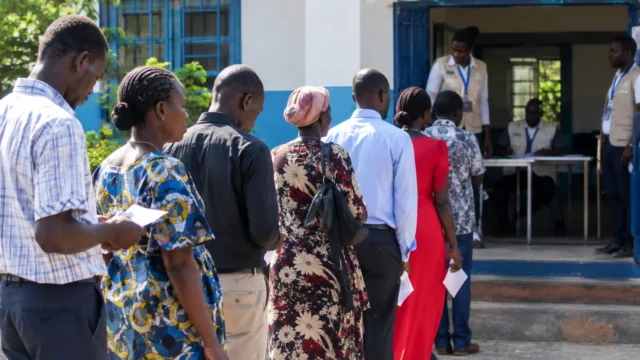
On 14 November 2026, the National Electoral Commission published a revised timetable setting the vote for 11 February 2027, instead of 22 December. The commission presented the delay as a way to allow more time for preparations, including distributing materials, setting up centres and registering voters. The announcement came as registration was due to begin.
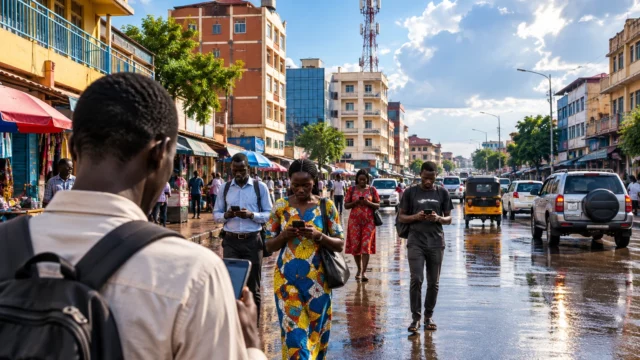
The commission had planned 3,161 registration centres across the country’s ten states and three administrative areas. South Sudanese media reported that the process, scheduled to run from 14 to 28 November, had begun. But a national figure does not guarantee that every centre is accessible or operational. Residents of Juba said they did not know where the capital’s centres were, while local officials reported that material constraints remained.
Edmund Yakani, head of the civil society organisation Community Empowerment for Progress Organization, called for greater transparency about the locations of the centres and the commission’s decisions. This is particularly important for people in rural or insecure areas: travelling a long distance without reliable information about where to register may be enough to prevent participation.
Funding is another obstacle. The commission had estimated the cost of organising the vote at $250 million. In September, it said it had received only $25 million. These figures were provided by the electoral institution; they do not in themselves constitute an independent audit. The stated gap nevertheless illustrates how dependent the timetable is on resources actually released and the country’s logistical capacity.
Security and trust, two tests for the vote
Security conditions are also weighing on preparations. On 12 November, two delegates of the Sudan People’s Liberation Movement, President Kiir’s SPLM, were killed in an attack on their vehicle in Western Equatoria state. They were returning from meetings and party primaries. Local media and the Associated Press reported the deaths; the perpetrators and motive had not been established in the first reports.
An incident targeting members of one party is not, by itself, enough to assess the security of the entire electoral process. It does, however, serve as a reminder that political travel and gatherings may be exposed to risks. Concerns also relate to freedom to campaign, the protection of voters and the ability of institutions to act impartially.
Addressing the United Nations Security Council on 10 November, the head of the UN Mission in South Sudan, Anita Kiki Gbeho, highlighted uncertainty over security, logistics and the inclusiveness of the process. She advocated political dialogue and continued implementation of the peace agreement. This echoes a concern voiced by South Sudanese stakeholders: setting a date is not enough if conditions for participation and trust do not follow.
The effects of the delay will not be the same for everyone. For parties with networks and resources, a few additional weeks may help with candidate selection and campaigning. For less well-funded parties, voters far from urban centres and people living in unstable areas, the priority remains practical access to information, registration and voting. The commission will also need to make its decisions and data accessible so that stakeholders can verify the announced steps.
Regional credibility will depend on what happens next
11 February 2027 is now a deadline, not a guarantee. The next steps — publication of voter lists, candidate nominations, campaigning and the practical organisation of the vote — will show whether the new timetable is achievable. The question of the transition after the election will also need to be settled with the signatory parties, since the announced date falls beyond the period extended under the agreement.
For IGAD and the African Union, the challenge is to support a process accepted by South Sudanese stakeholders without substituting their own timetable for national dialogue. For the authorities in Juba, it is a matter of showing that the delay is intended to address real difficulties, rather than to postpone indefinitely the return to a mandate conferred by the ballot box. For citizens, credibility will be judged by essential details: identifiable centres, accessible registration, security and understandable rules.
The vote is seen as a step towards ending the transition, but it cannot replace implementation of the peace agreement. Decisions ahead on the timetable, electoral safeguards and continuity of institutions will show whether the delay creates room for preparation or simply adds another deadline to a prolonged transition.
Sources for verification: Eye Radio on the new electoral timetable, Radio Tamazuj on voter registration, Associated Press on the postponement and attack on delegates, remarks by the head of UNMISS to the Security Council, communiqué of the African Union Peace and Security Council and Electoral Commission document on the extension of the transition.