Algeria
 Egypt
 Libya
 Morocco
 Sudan
 Tunisia
 Benin
 Burkina Faso
 Cabo Verde
 Côte d'Ivoire
 Ghana
 Guinea
 Guinea-Bissau
 Liberia
 Mali
 Mauritania
 Niger
 Nigeria
 Senegal
 Sierra Leone
 The Gambia
 Togo
 Cameroon
 Central African Republic
 Chad
 DR Congo
 Equatorial Guinea
 Gabon
 Republic of the Congo
 São Tomé and Príncipe
 Burundi
 Comoros
 Djibouti
 Eritrea
 Ethiopia
 Kenya
 Madagascar
 Malawi
 Mauritius
 Mozambique
 Rwanda
 Seychelles
 Somalia
 Tanzania
 Uganda
 Angola
 Botswana
 Eswatini
 Lesotho
 Namibia
 South Africa
 Zambia
 Zimbabwe
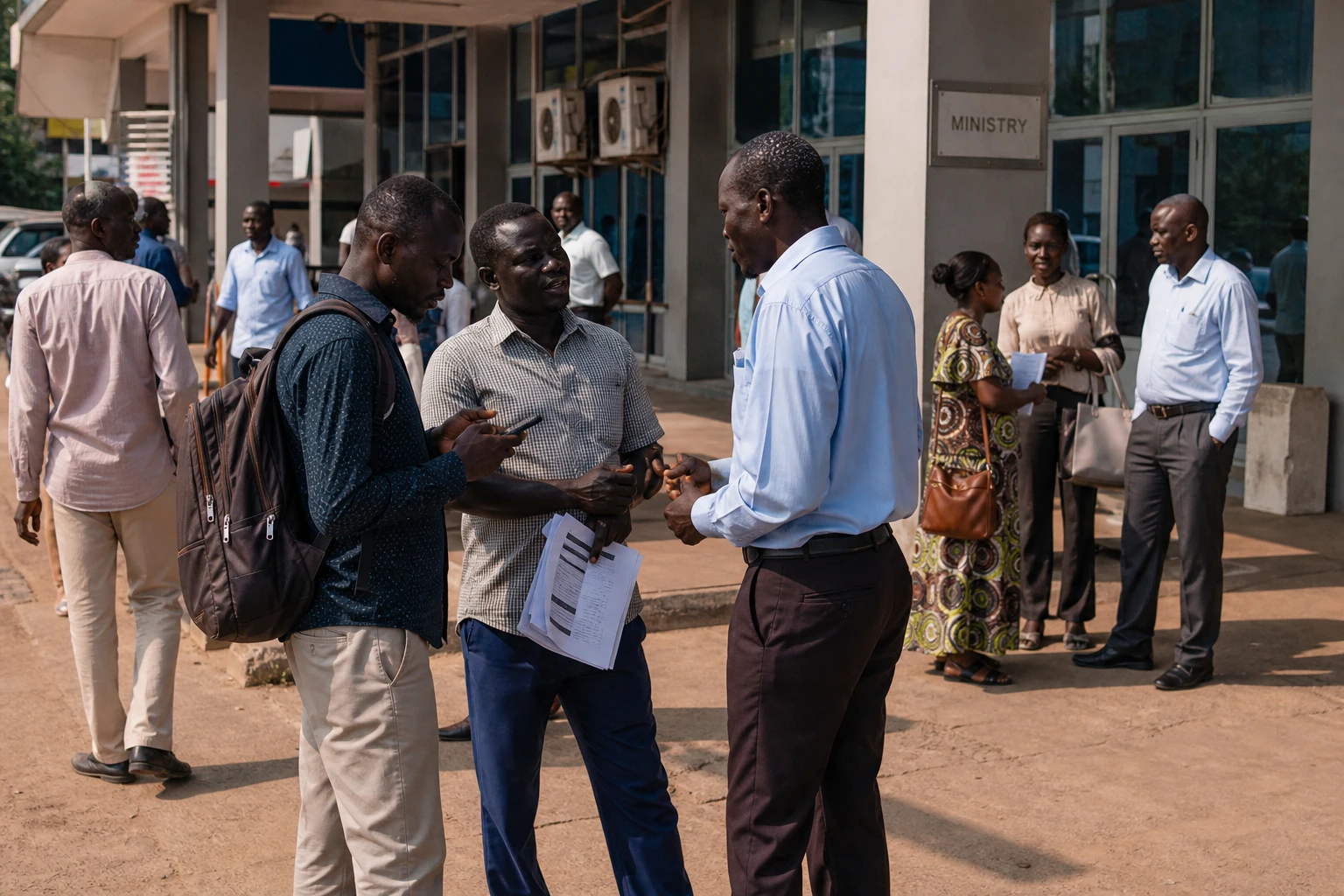
In Juba, the election timetable is moving faster than political consensus. President Salva Kiir launched a dialogue between political parties on 24 September 2026, just after his transitional government was dissolved and several parties had already challenged the legitimacy of the new institutional framework.
Dialogue opens after institutional rupture
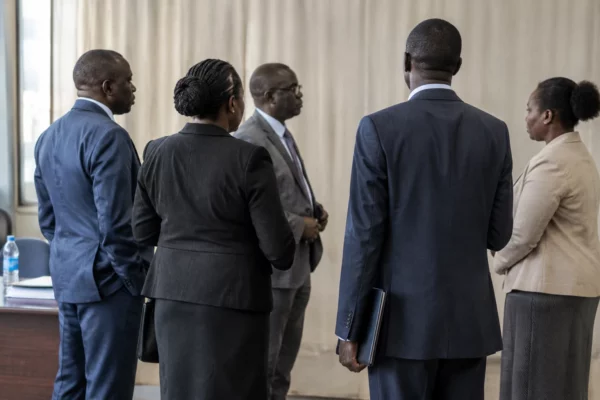
The meeting was held in the South Sudanese capital with political leaders, representatives of the administration and diplomats. Salva Kiir set out a clear position: to achieve a peaceful election without calling into question decisions taken by his government.
The head of state presented the dialogue as a way to build a common path towards the vote. However, he ruled out renegotiating the political direction already chosen. This gives the process limited room for discussion, at a time when the opposition is specifically demanding a review of the current framework.
Two days earlier, on 22 September, Salva Kiir had announced the dissolution of the transitional government of national unity. He also replaced the executive with an interim administration tasked with leading the country until the elections announced for 22 December 2026.
The decision also affects the vice-presidencies, the national parliament and the governments of the federated states, according to Radio Tamazuj’s report. It comes after amendments to the electoral law were adopted, removing several conditions previously linked to the organisation of the vote.
The legacy of the 2018 peace agreement
The crisis is part of the slow and difficult implementation of the 2018 revitalised peace agreement. The deal enabled Riek Machar to return to the post of first vice-president and led to the formation of a power-sharing government with Salva Kiir.
The arrangement was intended to prepare a new constitutional framework, reorganise the security forces and lead the country towards elections. Several deadlines have since been postponed. The transitional institutions have continued to function without resolving the main disagreements between the two camps.
Relations between Salva Kiir and Riek Machar deteriorated further in 2025. The first vice-president was placed under house arrest in Juba in March 2025, after several officials associated with his movement, the SPLM-IO, were arrested. Human rights organisations called for due process and greater transparency over the detentions.
In September 2025, Riek Machar and several figures close to him faced charges of murder, treason and crimes against humanity in connection with the clashes in Nasir. The South Sudanese government says the proceedings are a matter for the courts. Machar’s camp sees them as a political operation aimed at dismantling the peace agreement.
This rift explains the significance of the dissolution announced on 22 September 2026. For the government, it opens the final stage before the vote. For its opponents, it breaks with the principle of collective decision-making at the heart of the peace agreement.
Eight opposition groups denounce legitimacy crisis
On 23 September, eight opposition groups, some based outside the country, rejected the dialogue and the election timetable in its current form. In a letter to the leaders of the African Union and the Intergovernmental Authority on Development, or IGAD, they described a collapse of the peace framework and a constitutional crisis.
The movements accuse the presidency of taking unilateral decisions against power-sharing mechanisms. They are calling for regional intervention to establish a national, inclusive constitutional process independent of the executive alone.
Their opposition is therefore not limited to the date of the vote. It also concerns the conditions for participation, the composition of the interim institutions, the safety of political leaders and voters’ ability to cast ballots in a free environment.
The report published by allAfrica confirms that opponents consider the revitalised agreement an exhausted framework. The authorities dispute this interpretation, maintaining that the transition is continuing and that the election is the next planned step.
An election under severe constraints
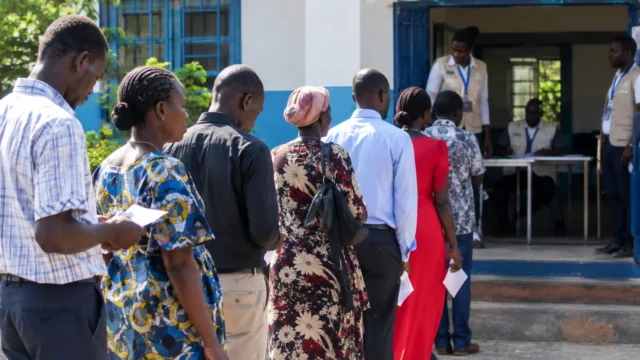
The 22 December 2026 vote would be the first general election held since South Sudan declared independence in 2011. But the election is approaching amid institutional fragility and a lack of consensus among the main political forces.
The dissolution of parliament raises an immediate question: which institution will oversee the interim administration’s decisions before the vote? It also raises issues around public funding, election oversight and the neutrality of the authorities responsible for preparing the campaign.
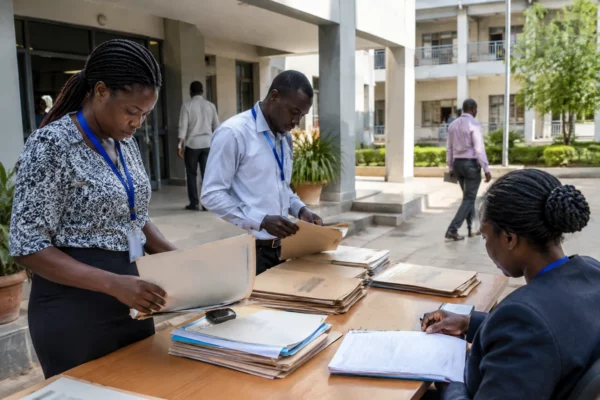
The impact will vary across the country. In Juba, parties and diplomats can follow the discussions day by day. In states far from the capital, access to registration offices, administrative documents and polling stations remains more uncertain.
Rural populations could also be more exposed to logistical delays and local tensions. In cities, parties have more visible political networks. In outlying areas, traditional authorities, armed groups and local administrations can influence participation.
The economy is also at stake. A prolonged election period can slow investment and complicate the management of public revenues. It can also put greater pressure on households that depend on informal trade, diaspora remittances and oil revenues distributed by the state.
IGAD and African Union expected to play a role
The issue now extends beyond the stand-off between Salva Kiir and Riek Machar. IGAD, the East African regional organisation, remains directly involved in implementing the peace agreement. The African Union, for its part, must monitor respect for the principles of political transition and prevent a further escalation.
The agreement’s monitoring mechanism has urged the parties to use dialogue to resolve electoral disputes. The postponement of the meeting, initially scheduled for 17 September and then moved to 24 September, nevertheless shows how difficult it is to maintain a shared timetable.
The regional priority will be twofold. It will be necessary to preserve the political space required for opposition participation while preventing the process from turning into armed confrontation. African partners will also need to distinguish genuine inclusive dialogue from a mere endorsement of presidential decisions.
In the coming weeks, three issues will be closely watched: the effective participation of the SPLM-IO and other parties, the legal status of the interim administration, and the electoral commission’s ability to prepare the vote across the country. Without guarantees on these points, the 22 December timetable risks remaining a political deadline rather than a genuine national compromise.