Algeria
 Egypt
 Libya
 Morocco
 Sudan
 Tunisia
 Benin
 Burkina Faso
 Cabo Verde
 Côte d'Ivoire
 Ghana
 Guinea
 Guinea-Bissau
 Liberia
 Mali
 Mauritania
 Niger
 Nigeria
 Senegal
 Sierra Leone
 The Gambia
 Togo
 Cameroon
 Central African Republic
 Chad
 DR Congo
 Equatorial Guinea
 Gabon
 Republic of the Congo
 São Tomé and Príncipe
 Burundi
 Comoros
 Djibouti
 Eritrea
 Ethiopia
 Kenya
 Madagascar
 Malawi
 Mauritius
 Mozambique
 Rwanda
 Seychelles
 Somalia
 Tanzania
 Uganda
 Angola
 Botswana
 Eswatini
 Lesotho
 Namibia
 South Africa
 Zambia
 Zimbabwe
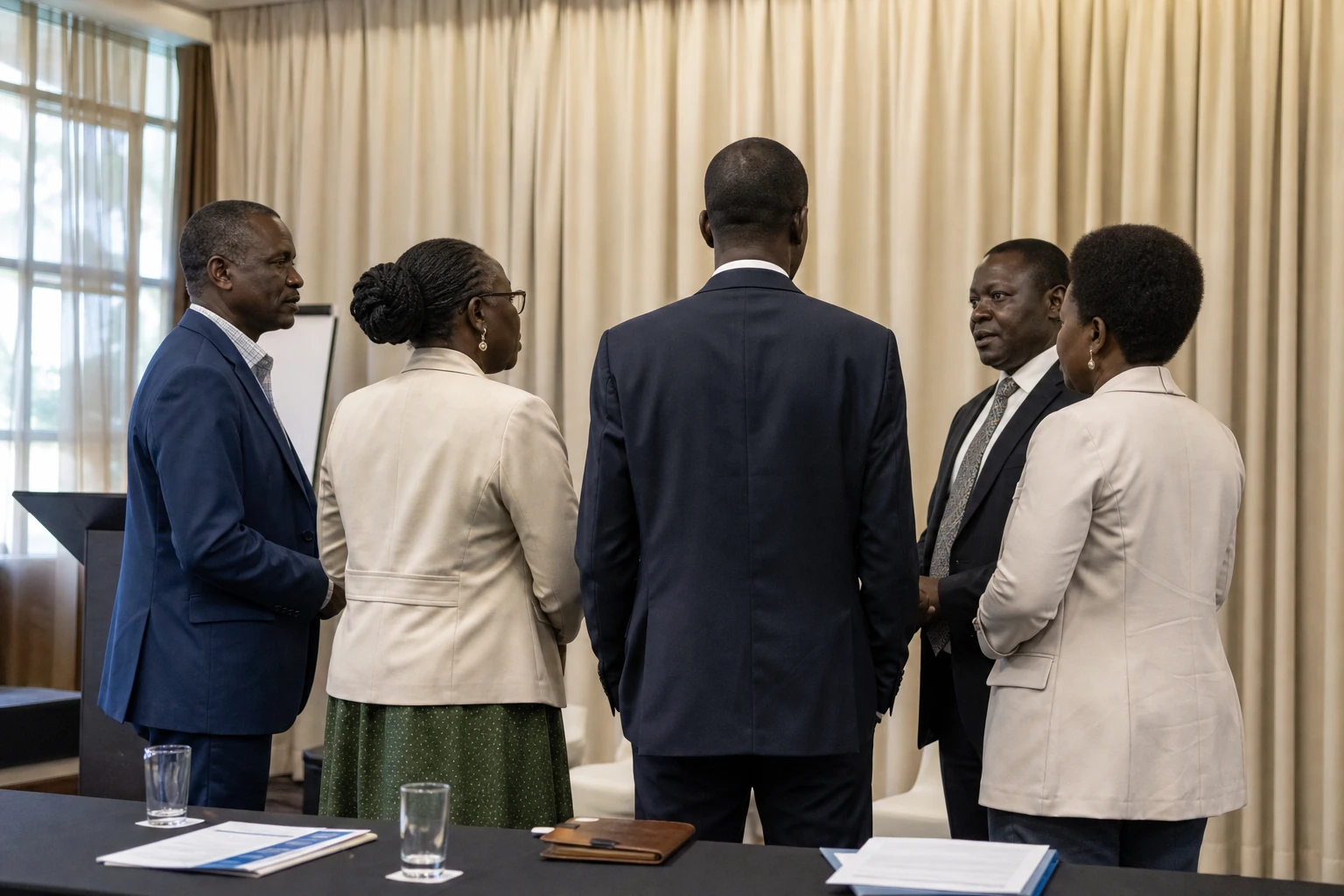
In Juba, the humanitarian crisis no longer depends solely on the funding available. It also plays out on roads, at checkpoints and in administrative offices where organisations must obtain authorisation to operate. Faced with these obstacles, Washington is stepping up its rhetoric and threatening to target officials who obstruct aid.
US pressure targets access to aid
On 20 September 2026, the US State Department’s Bureau of African Affairs warned South Sudanese authorities that the United States could use “all tools available”, including sanctions and visa restrictions. Washington accuses national, regional and local officials of complicating humanitarian work and turning some relief operations into a source of revenue.
The content of the statement was reported by Eye Radio, a media outlet based in South Sudan. The threat does not amount to an immediate announcement of a new list of sanctioned individuals. Rather, it signals US readiness to prepare targeted measures against those accused of obstructing access to populations.
The warning comes as the United States remains one of the main donors of aid to South Sudan. Its position is therefore twofold: Washington wants to maintain assistance for the population while using its financial and diplomatic leverage to bring about changes in the conduct of the authorities.
Nearly 10 million people need assistance
The available figures confirm the scale of the situation. In 2026, more than 10 million people, or about two-thirds of South Sudan’s population, are expected to need humanitarian aid. This estimate is included in data from the European Union and in projections by the United Nations Office for the Coordination of Humanitarian Affairs.
The World Health Organization also estimates that the 2026 humanitarian plan covers about 10 million people. This total includes internally displaced people, refugees, families who have returned from abroad and host communities already facing a lack of essential services.
The crisis stems from several factors. Local violence, forced displacement, flooding, epidemics, inflation and the effects of the war in neighbouring Sudan are reinforcing one another. The arrival of refugees and people fleeing the fighting in Sudan is putting further pressure on markets, health centres and water networks.
Needs are particularly acute in Jonglei, Unity and Upper Nile states. In these areas, rural populations depend heavily on agriculture, livestock and local trade. When fighting closes roads or floods isolate villages, humanitarian aid is often the only way to access healthcare, food and safe drinking water.
The cost of blockages is felt on the ground
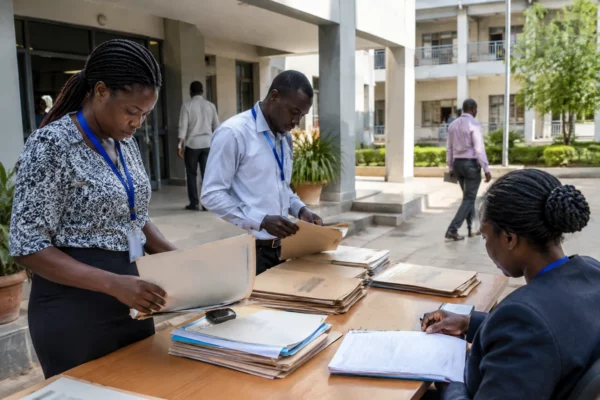
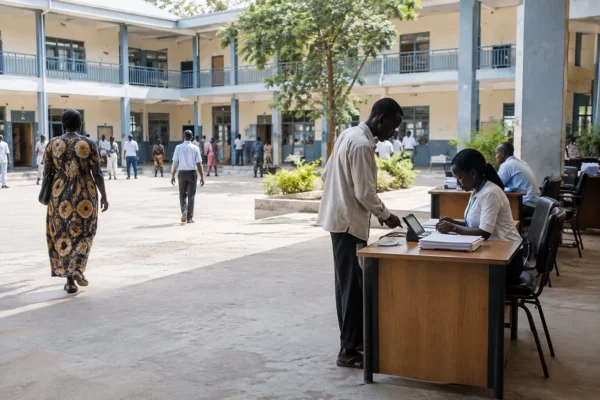
For humanitarian organisations, the obstacles are not limited to armed attacks. Delays in obtaining authorisation, taxes, repeated checks and demands for payment can slow the delivery of food or prevent staff from travelling.
This adds to growing insecurity. According to the Associated Press, at least 36 aid workers and contractors have been killed in South Sudan since January 2026, compared with 31 for all of 2025. More than 450 incidents targeting humanitarian staff or assets were recorded between January and July.
These figures show that South Sudanese aid workers are on the front line. They make up the majority of staff employed in relief operations. When international agencies limit their movements or temporarily leave an area, the consequences are felt first by local teams and the communities they serve.
The financial situation makes matters worse. The United Nations has warned that available resources are falling as needs rise. The World Food Programme has specifically raised the alarm over the risk of cuts to aid for hundreds of thousands of refugees and asylum seekers in the country.
A crisis linked to the incomplete implementation of the peace agreement
US pressure is part of a broader political trajectory. South Sudan remains committed to implementing the 2018 Revitalised Agreement on the Resolution of the Conflict. The agreement provides for power-sharing, the unification of the armed forces and national elections.
However, several commitments remain unfulfilled. The unification of the forces is progressing slowly. Violence between armed groups continues in several states. Meanwhile, preparations for the election announced for December 2026 remain shrouded in uncertainty.
The Intergovernmental Authority on Development, IGAD, which brings together several countries in the Horn of Africa and East Africa, continues to regard the peace agreement as the central framework for the transition. In a statement published in September 2026, the organisation called for inclusive dialogue and a consensus-based clarification of the electoral timetable.
The humanitarian and political crises are thus fuelling one another. Insecurity prevents aid from reaching some communities. In turn, the lack of services and competition for resources can heighten local tensions. Without political progress, humanitarian operations risk remaining a temporary response to lasting instability.
Sanctions also raise questions about their impact
The United States already has a sanctions regime related to South Sudan. Established in 2014, it allows Washington to target people accused of threatening peace, obstructing the political process, committing serious human rights violations or attacking peacekeeping operations.
What is new about the 20 September warning is its direct link to humanitarian access. Individual sanctions or visa restrictions could target specific officials. Their aim would be to raise the political cost of blockages without interrupting aid for the population.
The risk, however, is that external measures could further complicate relations between donors and South Sudanese authorities. Agencies will need to preserve their access to territories while avoiding the perception that they are instruments of a diplomatic confrontation. The protection of civilians will therefore depend as much on international pressure as on the ability of South Sudanese actors to guarantee regular and safe access.
The next test will be regional and electoral
In the coming months, three indicators will be decisive: the course of fighting in the eastern states, the government’s ability to secure humanitarian corridors and tangible progress towards the elections scheduled for December 2026.
For IGAD, the African Union and the United Nations, the stakes go beyond the relationship between Washington and Juba. South Sudan lies at the intersection of several regional crises. The war in Sudan, cross-border displacement and the fragility of peace agreements in East Africa directly affect its stability.
The US threat of sanctions therefore places a specific demand before South Sudanese authorities: to reduce the administrative and security obstacles preventing aid from reaching those in need. But a lasting response will require an implemented peace agreement, institutions able to function in the states and an electoral transition credible enough to reduce dependence on emergency assistance.