
 Algeria
 Egypt
 Libya
 Morocco
 Sudan
 Tunisia
 Benin
 Burkina Faso
 Cabo Verde
 Côte d'Ivoire
 Ghana
 Guinea
 Guinea-Bissau
 Liberia
 Mali
 Mauritania
 Niger
 Nigeria
 Senegal
 Sierra Leone
 The Gambia
 Togo
 Cameroon
 Central African Republic
 Chad
 DR Congo
 Equatorial Guinea
 Gabon
 Republic of the Congo
 São Tomé and Príncipe
 Burundi
 Comoros
 Djibouti
 Eritrea
 Ethiopia
 Kenya
 Madagascar
 Malawi
 Mauritius
 Mozambique
 Rwanda
 Seychelles
 Somalia
 South Sudan
 Tanzania
 Uganda
 Angola
 Botswana
 Eswatini
 Lesotho
 Namibia
 Zambia
 Zimbabwe
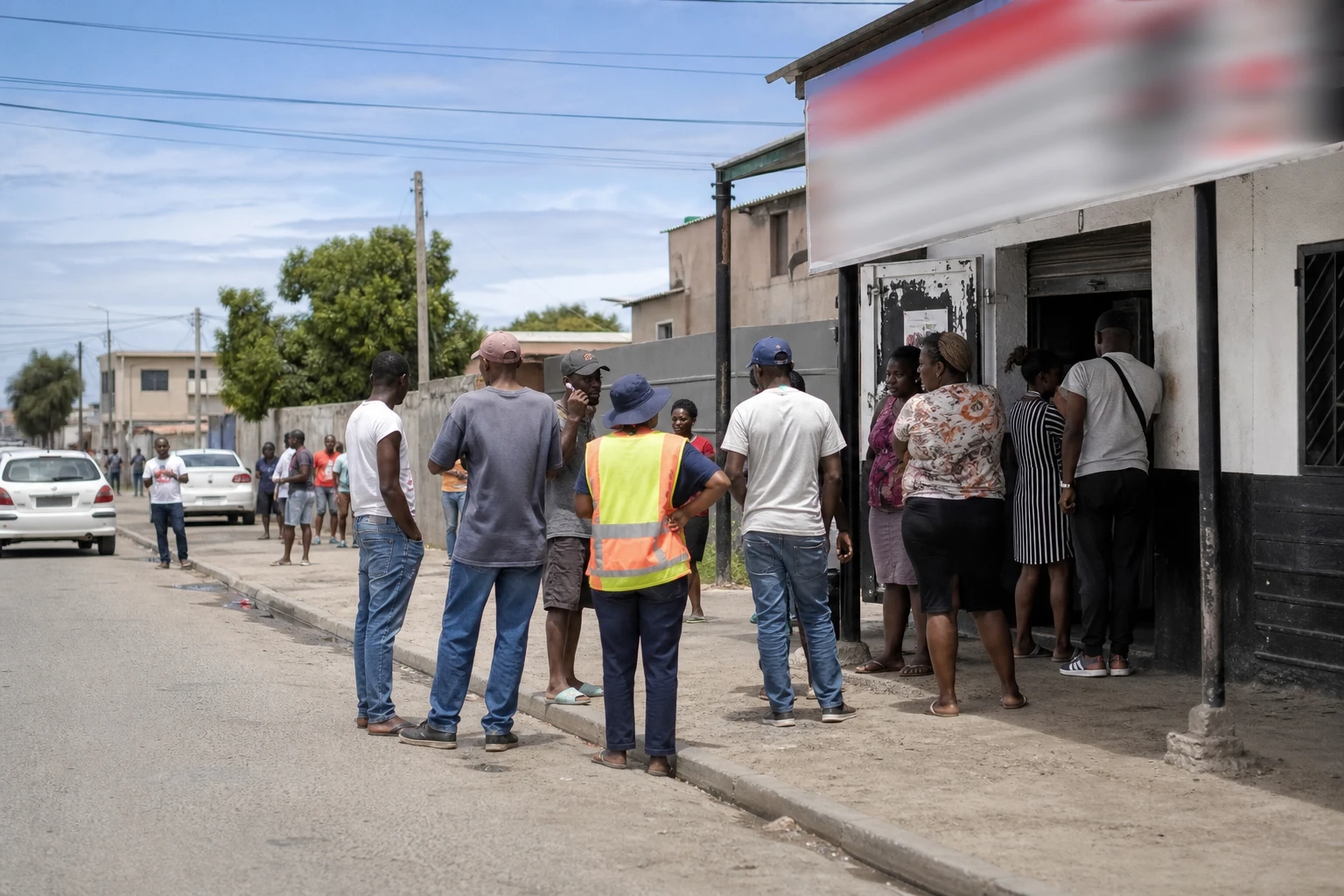
Within a few hours, two social gathering places were turned into crime scenes. During the night of Saturday 26 to Sunday 27 September 2026, at least 27 people were killed in two separate shootings in South Africa. The attacks struck Wedela, west of Johannesburg, and then Lwandle, near Cape Town.
The toll remains that reported by police authorities. It could rise, as several injured people have been hospitalised and investigations are ongoing. No suspects had been arrested by Monday 28 September 2026, according to the information available.
Two attacks, two provinces, the same security emergency
The first shooting took place on Saturday evening at a tavern in Wedela, a locality in the Merafong municipality, west of Johannesburg. According to the South African police, eight men armed with AK-47-type rifles and handguns opened fire on customers gathered inside and outside the establishment.
The attackers are said to have first shot at people outside. They then reportedly entered the tavern and continued firing. Seventeen people were killed. Fifteen others were injured, according to the same police tally.
The second attack took place a few hours later in Lwandle, in the Western Cape province, near Cape Town. Ten people were killed and eleven others injured when a place of entertainment was targeted by gunfire, according to authorities cited by Eyewitness News.
The precise circumstances remain unclear. Police have not established a link between the two operations. Nor have they confirmed the motives. In Wedela, investigators are examining, among other possibilities, whether the attack was a settling of scores linked to organised criminal activity. This remains a provisional line of inquiry and is not a judicial finding.
Communities already strained by gun violence
These shootings have not taken place in a security vacuum. A few days earlier, eleven people were killed in an attack on a private party near Durban, in KwaZulu-Natal province. The succession of these tragedies is fuelling a sense of insecurity in several urban and peri-urban areas.
Taverns, local businesses and gathering places are regularly exposed to criminal rivalries. Yet in several townships, these establishments play an important social role. They are places to meet, conduct business and find work. Their temporary closure or reduced footfall therefore directly affects small business owners, employees and residents.
The geography of the attacks also highlights a reality often obscured by images of major urban centres. Johannesburg and Cape Town are home to institutions, businesses and media organisations. But shootings often take place in outlying neighbourhoods, where residents have fewer means of accessing medical care, legal assistance or psychological support quickly.
The victims’ families, meanwhile, must cope with several urgent demands at once: identifying the bodies, arranging funerals, supporting the injured and maintaining household income. In the informal economy, the absence of just one family member can be enough to leave a household in lasting financial difficulty.
The question of firearms and criminal networks
The debate is not only about the number of victims. It also concerns the circulation of firearms and the ability of criminal networks to operate in groups, sometimes with military-grade weapons. The alleged presence of assault rifles in Wedela heightens this concern.
In South Africa, police services regularly investigate violence linked to gangs, extortion, disputes between local businesses and illegal mining. These activities can intersect with personal or commercial rivalries. However, it would be premature to automatically link the two shootings to the same organisation.
President Cyril Ramaphosa has previously described organised crime as a threat to the country’s democracy and economic development. The government has also increased security deployments in some violence hotspots. This response shows the gravity of the situation, but raises a central question: how can lasting results be achieved without reducing security to a show of force alone?
For residents, the issue is concrete. They need to be able to go to a shop, tavern or party without fearing a mass attack. For law enforcement, the task is to improve local intelligence, firearms tracing and the handling of criminal cases. For the justice system, the aim will be to establish responsibility beyond the direct perpetrators.
Further pressure on the state
The South African government faces two expectations. The first is immediate: find the perpetrators, secure the sites and support the victims. The second is structural: reduce the conditions that allow armed groups to establish themselves in certain neighbourhoods.
Trust will depend in particular on the speed of investigations and the transparency of information released. In affected communities, every delay fuels rumours. Conversely, precise communication can limit unfounded associations and prevent anger from being directed at groups identified without evidence.
Authorities will also need to clarify any possible links between the recent attacks. The shootings in Wedela and Lwandle and the deadly attack near Durban may have different drivers. Only the investigation will establish whether there was a common modus operandi, the same people behind them, or simply a coincidence in timing.
A warning heard beyond South Africa’s borders
The impact of these events extends beyond the two provinces concerned. South Africa is the largest economy in the Southern African Development Community (SADC), which brings several countries in the region together for economic and security cooperation. A lasting deterioration in security in its major urban areas would affect travel, trade and the attractiveness of the region.
The issue also concerns the African Union, which has for several years stressed the need to combat illicit firearms and transnational crime. Networks that exploit borders, trade flows and institutional weaknesses do not stop at municipal boundaries. Regional intelligence-sharing is therefore becoming an important part of the response.
In the short term, attention will focus on arrests, identifying the victims and the publication of information confirmed by investigators. In the medium term, debate will centre on the South African authorities’ ability to combine community policing, effective justice, firearms control and support for vulnerable neighbourhoods. The toll of 27 dead above all serves as a reminder that security is not measured only in city centres, but also in the places where South Africans live, work and gather every day.



