
 Algeria
 Egypt
 Libya
 Morocco
 Sudan
 Tunisia
 Benin
 Burkina Faso
 Cabo Verde
 Côte d'Ivoire
 Ghana
 Guinea
 Guinea-Bissau
 Liberia
 Mali
 Mauritania
 Niger
 Nigeria
 Senegal
 Sierra Leone
 The Gambia
 Togo
 Cameroon
 Central African Republic
 Chad
 DR Congo
 Equatorial Guinea
 Gabon
 Republic of the Congo
 São Tomé and Príncipe
 Burundi
 Comoros
 Djibouti
 Eritrea
 Ethiopia
 Kenya
 Madagascar
 Malawi
 Mauritius
 Mozambique
 Rwanda
 Seychelles
 Somalia
 South Sudan
 Tanzania
 Uganda
 Angola
 Botswana
 Eswatini
 Lesotho
 Namibia
 Zambia
 Zimbabwe
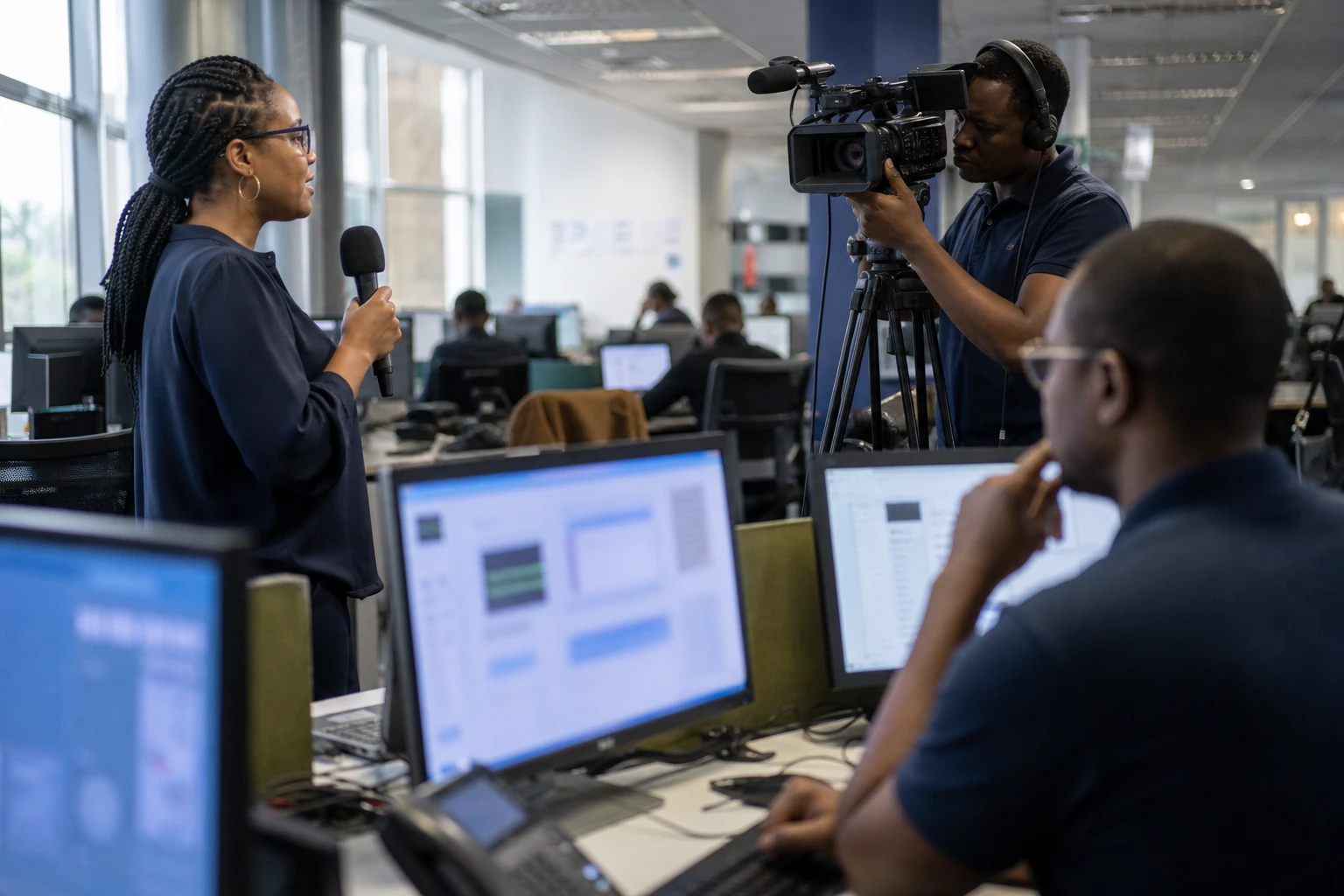
Africa wants to move from consumer market to creator
In Seoul, discussions were not just about money. They focused above all on a more strategic issue: who will train talent, who will control infrastructure, and who will set the rules for artificial intelligence in Africa? Behind the announcements at the KOAFEC summit, one question looms large for African capitals, from Pretoria to Nairobi: will the continent be able to turn digital promises into its own capabilities, useful to public administrations, businesses and young engineers?
The Seoul meeting forms part of the broader framework of Korea-Africa economic co-operation, led by the African Development Bank and the Korean authorities. The 8th KOAFEC Ministerial Conference was held from 8 to 11 September 2026, focusing on digital infrastructure and AI. It also marks the 20th anniversary of the partnership, established in 2006.
What was signed in Seoul
According to the African Development Bank, two instruments were concluded with the Korean side. The first is a memorandum of understanding on project financing and the preparation of government programmes. The second is a letter of intent on co-operation in artificial intelligence and digital technology. The stated aim is to structure future financing and provide a framework for better-prepared African projects, making them bankable more quickly.
The most visible new development is the promise of a dedicated AI hub. According to the African Development Bank, the platform is intended to bring together scattered initiatives, improve the coherence of projects and increase their economic impact. The idea is not purely technological. It also aims to support training, connect public- and private-sector players, and foster practical applications in government, industry and services.
This direction follows a path already mapped out by the African Union. The continental AI strategy, adopted in 2024, advocates an African, inclusive and development-oriented approach. It echoes the AU’s Digital Transformation Strategy 2020-2030, which aims to narrow the digital divide, support employment and strengthen economic integration.
Why Pretoria is watching closely
For South Africa, this comes at the right time. In 2026, the government in Pretoria published a draft national AI policy. The text aims to promote responsible adoption, local skills and a fairer distribution of the benefits and risks associated with these technologies. At the same time, the country is advancing its digitalisation and infrastructure strategy, with announced investments in data centres and connectivity.
The country also has more tangible assets. South African authorities highlight its reserves of critical minerals, which are useful to the semiconductor industry and digital value chains. Seoul’s logic is clear: for South Korea, a major industrial and technological power, Africa offers resources, markets and partnerships. For African states, the real question remains how to secure local value addition, to avoid exporting only raw materials and then importing the most profitable solutions.
This tension also runs through debates in southern Africa, where SADC is urging its members to make better use of their minerals, infrastructure and industrial base. In this context, an African AI hub will be useful only if it connects universities, start-ups, public administrations, telecoms operators and development banks. Otherwise, it risks becoming just another impressive platform, far removed from the real needs of secondary cities, rural areas and informal small businesses.
Financing promises, but also a test of sovereignty
The co-operation announced in Seoul could help close a clearly identified gap. The African Development Bank, for its part, has already highlighted initiatives linked to AI and sustainable development, including through a partnership with the UNDP. The KOAFEC summit therefore confirms a broader trend: AI is no longer treated as a mere research topic, but as development infrastructure on a par with energy, roads and ports.
But governance remains central. Who provides the funding? Who hosts the data? Who sets sectoral priorities? Who controls how the technology is used? These questions matter as much as the scale of the announcements. Africa has no interest in repeating an old pattern: partnerships that look ambitious on paper, but involve little skills transfer, little local maintenance and little industrial anchoring. The African Union’s AI strategy specifically emphasises co-operation, ethics and the strengthening of African capabilities.
In practice, the impact will not be the same for everyone. For governments, AI could improve public services, identification, taxation or fraud detection. For businesses, it could accelerate logistics, finance and precision agriculture. For workers, however, it also raises questions about retraining and jobs threatened by automation. This is where training becomes critical, particularly for young graduates and technicians seeking a place in the digital economy.
A continental trend to watch beyond Seoul
The KOAFEC summit is therefore about more than South Korea and financial institutions. It is part of a broader realignment of African partnerships, as the African Union seeks to make AI a tool of sovereignty, rather than simply a consumer market. For African states, the priority now will be to turn political declarations into measurable projects: data centres, training, data platforms, sector-specific applications and financing mechanisms sustained over time.
The next steps will unfold in the coming months, with the adoption of the road maps arising from KOAFEC and their translation into national budgets, AfDB programmes and regional industrial policies. South Africa, which is seeking to consolidate its digital transition while retaining control of its industrial priorities, will be among the countries watched closely. The real test starts now: moving from signatures in Seoul to sustainable, visible and useful African capabilities.



