Algeria
 Egypt
 Libya
 Morocco
 Sudan
 Tunisia
 Benin
 Burkina Faso
 Cabo Verde
 Côte d'Ivoire
 Ghana
 Guinea
 Guinea-Bissau
 Liberia
 Mali
 Mauritania
 Niger
 Nigeria
 Senegal
 The Gambia
 Togo
 Cameroon
 Central African Republic
 Chad
 DR Congo
 Equatorial Guinea
 Gabon
 Republic of the Congo
 São Tomé and Príncipe
 Burundi
 Comoros
 Djibouti
 Eritrea
 Ethiopia
 Kenya
 Madagascar
 Malawi
 Mauritius
 Mozambique
 Rwanda
 Seychelles
 Somalia
 South Sudan
 Tanzania
 Uganda
 Angola
 Botswana
 Eswatini
 Lesotho
 Namibia
 South Africa
 Zambia
 Zimbabwe
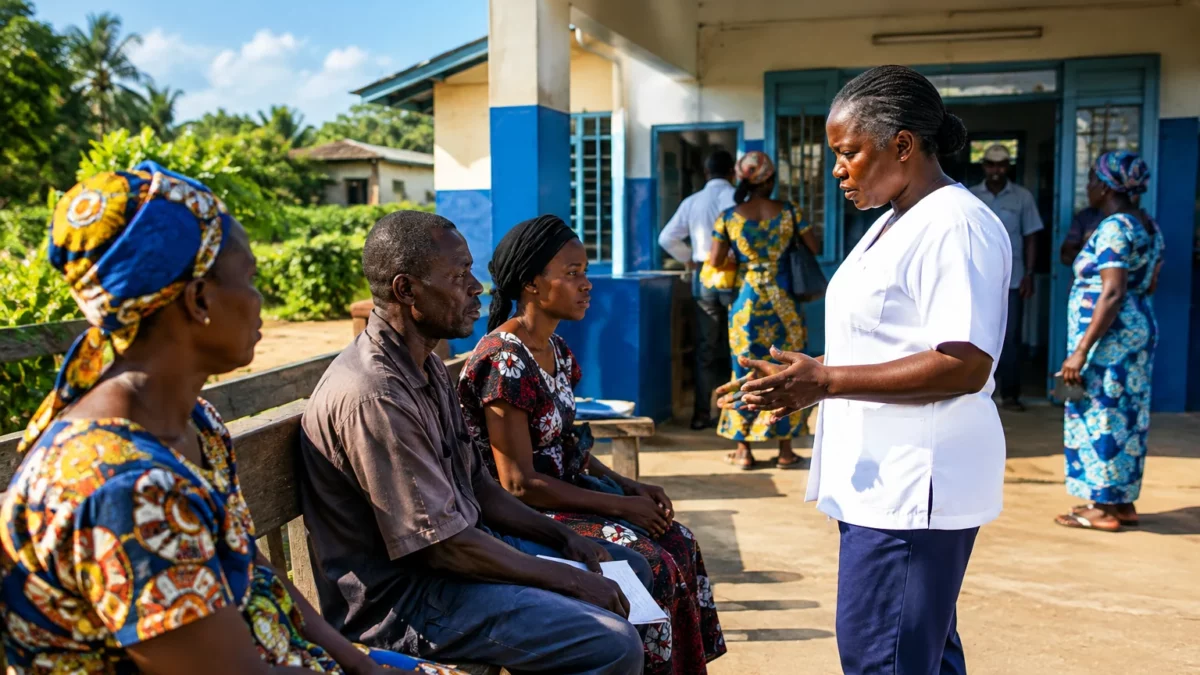
Cancer treatment can also cost as much as travelling abroad. In Sierra Leone, the lack of radiotherapy forces some patients to seek care outside the country, with transport and accommodation costs adding to medical expenses. The Kerry Town project aims to bring these treatments closer to patients. But its funding still needs to be secured.
A project among health priorities
At Kerry Town, in the rural Western Area near Freetown, the government plans to establish a national cancer diagnosis and treatment centre. Radiotherapy uses radiation to treat certain tumours. According to information provided in 2026, the project is also to offer diagnostic services and nuclear medicine.
The project is not new. The 2025 national budget had already called for construction of the centre to be accelerated. A public planning document locates the facility in Kerry Town and assigns it, among other objectives, the provision of affordable radiotherapy treatment. These documents show that it has been an stated priority for several years, but are not enough to establish that construction has begun.
Sierra Leone is a member of the Economic Community of West African States (ECOWAS), which brings together neighbouring countries facing varying levels of need for specialised care. An operational centre could therefore serve patients beyond Sierra Leone’s borders. Its regional reach, however, will depend on its actual capacity, charges and the means available to cover patients’ costs.
Funding, the decisive step
In November 2026, Health Minister Austin Demby discussed funding for the project with Mahmoud Khene, the OPEC Fund for International Development’s regional director for Africa. The meeting took place on the sidelines of the West African Integration and Investment Summit in Lungi. According to information attributed to the ministry and reported by several Sierra Leonean media outlets, the government has committed $7m. No additional funding that had been approved or disbursed was announced in those reports.
The site is said to have been reserved and zoned, the plans completed and reviewed by the International Atomic Energy Agency. Tender documents are also said to be ready. Eleven oncology specialists are reported to have been trained and to be awaiting assignment. These details indicate that preparations have advanced; they do not amount to a construction start date or a guarantee that the centre will open.
The 2025 budget confirms that the centre is among the health investments announced by the state. It also highlights a broader challenge: reducing the burden of medical expenses paid directly by households. For families, the availability of a machine will not be enough. They will also need to know the cost of sessions, the eligibility criteria and whether support is available for patients who cannot afford to pay.
Access to care: distance is only one obstacle
According to figures provided by the ministry and reported by the national press, Sierra Leone records more than 3,000 new cancer cases each year and currently has no radiotherapy. About nine patients are said to be sent abroad for cancer care each year. This last figure describes recorded departures, not necessarily all the patients who would need this treatment: the cost and administrative requirements may limit the possibility of travelling.
Grassroots organisations also point to delays in diagnosis and a lack of information. Cremelda Parkinson-Pratt, of the Thinking Pink Foundation, reported that some women she met did not understand the symptoms and attributed their illness to witchcraft. Pharmacist and public health researcher Buya Nabie Bangura believes a centre could also help improve patient awareness. The centre will not, however, replace prevention campaigns, local consultations or early screening.
For women with breast cancer, as for people affected by other cancers, the care pathway will depend on several steps: recognising symptoms, obtaining a reliable diagnosis, being referred to a specialist, and then continuing treatment without interruption. Women in Freetown may be closer to specialist services than those in remote districts. Domestic transport, additional expenses and the availability of qualified staff will also affect effective access.
From construction to a sustainable service
Putting the centre into service will require more than a building and equipment. Radiotherapy requires specialised technicians, regular maintenance, a reliable electricity supply and strict radiation protection rules. Links between health centres, hospitals and the Kerry Town facility will also need to be organised. The 11 specialists announced are an initial step in preparing, but the public information available does not yet specify the staffing required in the long term or the timetable for ongoing training.
The issue extends beyond Sierra Leone, without erasing the realities specific to each West African country. Shared equipment or cross-border referrals could eventually strengthen regional provision. But that would require practical agreements, available places and clearly defined financial arrangements. In the short term, the next steps are more concrete: concluding discussions with partners, approving additional funding, and then publishing a construction and opening timetable.
For Sierra Leonean patients, the promise will ultimately be measured by verifiable results: a centre built, accessible and continuous care, and fewer families forced to pay for travel abroad. For now, Kerry Town remains a project that is advanced on paper, but whose funding and start date still need to be confirmed.