Algeria
 Egypt
 Libya
 Morocco
 Sudan
 Tunisia
 Benin
 Burkina Faso
 Cabo Verde
 Ghana
 Guinea
 Guinea-Bissau
 Liberia
 Mali
 Mauritania
 Niger
 Nigeria
 Senegal
 Sierra Leone
 The Gambia
 Togo
 Cameroon
 Central African Republic
 Chad
 DR Congo
 Equatorial Guinea
 Gabon
 Republic of the Congo
 São Tomé and Príncipe
 Burundi
 Comoros
 Djibouti
 Eritrea
 Ethiopia
 Kenya
 Madagascar
 Malawi
 Mauritius
 Mozambique
 Rwanda
 Seychelles
 Somalia
 South Sudan
 Tanzania
 Uganda
 Angola
 Botswana
 Eswatini
 Lesotho
 Namibia
 South Africa
 Zambia
 Zimbabwe
For a political figure whose career linked Guinea and Côte d’Ivoire, the choice of burial place goes beyond family matters. It also tells the story of an opponent’s final years away from Conakry, as his party must now continue its work without its founder.
Final tributes in Abidjan
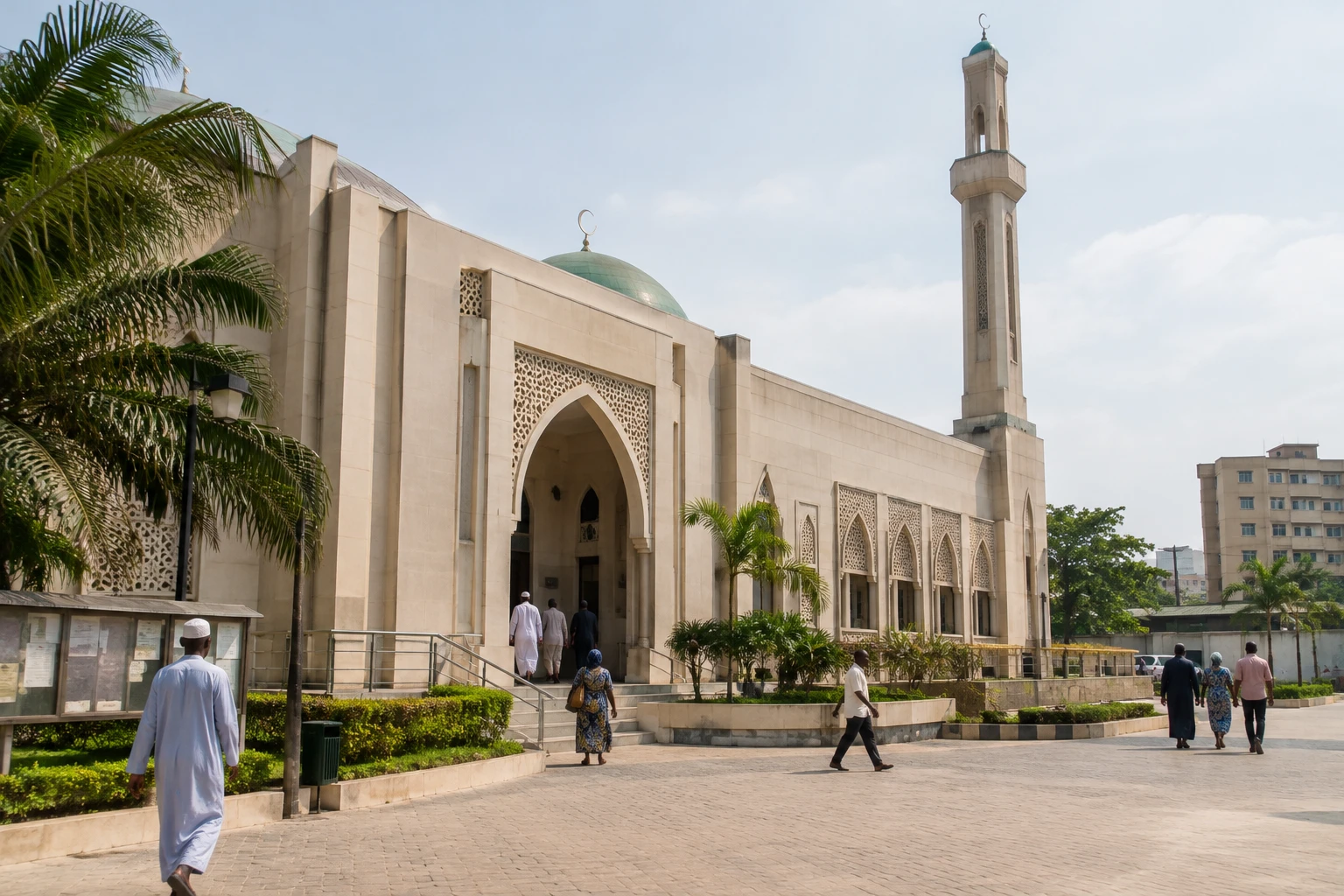
Sidya Touré was buried on Thursday 8 October 2026 at Williamsville cemetery in Abidjan. The religious ceremony was held at the Riviera Golf Grand Mosque, where the former prime minister used to pray. Several Guinean and Ivorian figures attended the funeral, including Cellou Dalein Diallo and Lansana Kouyaté.
Touré died in Paris on 25 September, aged 81, according to the Senegalese Press Agency, which cited an announcement by the Guinean Press Agency. Guinean and Ivorian media also reported his death and burial in Abidjan. The APS announcement of Sidya Touré’s death and the Guinean report on his burial corroborate these key details.
According to reports on the funeral, the Guinean authorities had wanted him to be buried in Guinea. His family chose Côte d’Ivoire, where he had pursued part of his administrative career and lived after leaving Conakry. This personal choice underlines the lasting ties between the two countries, without diminishing the place he occupied in Guinean political life.
A career shared between two countries
Born in Côte d’Ivoire, Sidya Touré entered Guinean political life and headed Lansana Conté’s government from 1996 to 1999. As leader of the Union of Republican Forces (UFR), he later became one of the leading opposition figures. His trajectory, spanning the Ivorian administration and political responsibilities in Guinea, made him a well-known figure on both sides of the border.
Tributes delivered in Abidjan recalled these different aspects of his life. Cellou Dalein Diallo praised a man who, he said, had wanted to put his experience at Guinea’s service. Lansana Kouyaté recalled an episode of violence they had experienced together in an armoured car. These remarks were tributes from close political companions, not an independent assessment of his record.
Touré’s departure from Guinea came amid a period of acute political tensions. After the military takeover in September 2021, proceedings were launched by the state to reclaim his residence in Conakry. He was evicted from his home in February 2022, according to Guinean media, and then lived in Côte d’Ivoire. His family therefore chose to bury the leader in the country where he had found refuge, after several years away from the Guinean capital.
Political succession remains unresolved
Touré’s death poses a practical question for the UFR: who will lead the party, and how will it preserve its place in national debate? The party had long relied on the prominence of its president. Its future will now depend on its institutions and senior figures, and on its ability to sustain an organisation beyond this central figure.
This succession comes at a time when Guinea’s institutions and political balance remain closely watched by neighbouring countries. Guinea is a member of the Economic Community of West African States (ECOWAS), a regional organisation that supports the political and electoral processes of its members. The organisation notably deployed a technical mission for Guinea’s legislative and local elections on 31 May 2026. The election mission announced by ECOWAS offers an indication of the regional context in which the country’s political life is unfolding.
For political leaders, Touré’s absence means the loss of an experienced interlocutor and former head of government. For UFR activists, the challenge is also organisational: maintaining local structures and defining a position in a changing political landscape. In Conakry and across the regions, this internal transition could affect the party’s ability to represent its voters.
A symbol beyond the funeral
His burial in Abidjan thus brings together several dimensions: a family choice, a cross-border personal journey and an opponent’s prolonged absence from his country. In itself, it does not allow conclusions to be drawn about relations between the family and the Guinean authorities. It does, however, make visible the political cost of exile for an opposition whose several leading figures have pursued their activities from abroad.
The next chapter will depend less on the burial place than on the UFR’s ability to organise its succession and take part in Guinean political debate. For ECOWAS, regional stability also depends on inclusive political processes and credible institutions. The funeral brought Sidya Touré’s life to a close; for his party, it opens a period of uncertainty in which internal decisions will provide the first indication of what lies ahead.