Algeria
 Egypt
 Libya
 Morocco
 Sudan
 Tunisia
 Benin
 Burkina Faso
 Cabo Verde
 Côte d'Ivoire
 Ghana
 Guinea
 Guinea-Bissau
 Liberia
 Mali
 Mauritania
 Niger
 Nigeria
 Sierra Leone
 The Gambia
 Togo
 Cameroon
 Central African Republic
 Chad
 DR Congo
 Equatorial Guinea
 Gabon
 Republic of the Congo
 São Tomé and Príncipe
 Burundi
 Comoros
 Djibouti
 Eritrea
 Ethiopia
 Kenya
 Madagascar
 Malawi
 Mauritius
 Mozambique
 Rwanda
 Seychelles
 Somalia
 South Sudan
 Tanzania
 Uganda
 Angola
 Botswana
 Eswatini
 Lesotho
 Namibia
 South Africa
 Zambia
 Zimbabwe
A tight timetable, but not yet set in stone
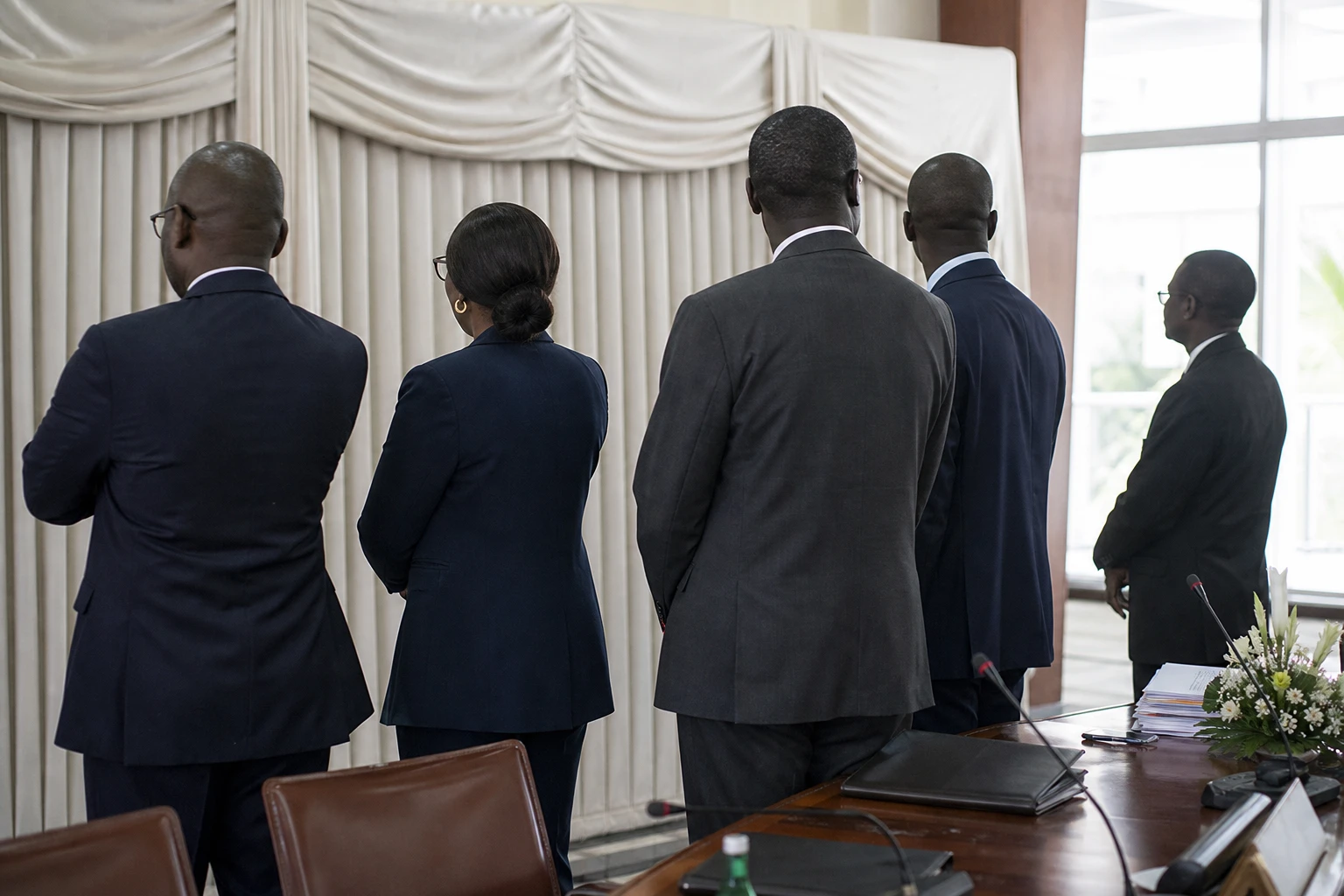
In Senegal, the 2027 local elections are not being decided solely at the ballot box. They are first being decided by the administrative timetable, where a decree, a revision of the electoral rolls and a decision on the deposit determine the competitiveness of the poll well before voting day. When these steps are delayed, public doubts quickly take hold.
The debate has gained momentum amid an already reshaped political landscape. On 25 July 2026, President Bassirou Diomaye Faye launched a new political formation in Dakar, Kiiraay/Les Patriotes républicains, after the presidential coalition was transformed into a unified political party. This sequence has reinforced the view among several actors that the local contest could also serve as a test of strength for the governing majority.
What Senegalese electoral law says
The controversy centres on a question that seems simple: when should the municipal and departmental elections be held? On 22 May 2026, the Ministry of the Interior said that the president was still within the deadline for issuing the decree calling voters to the polls. The minister specified that the decree could be issued up to two months before election day, and that the technical services were ready.
The heart of the disagreement lies in the Electoral Code. The current draft and the texts published on public portals indicate that an exceptional revision of the electoral rolls must be ordered by decree for the 2027 departmental and municipal elections. They also stipulate that the deposit amount must be set no later than 160 days before the poll. In other words, the timetable exists, but it still has to be set in motion and made clear by the authorities.
In the opposition and among some civil society groups, concern stems less from any officially cancelled date than from a succession of delays. The absence, so far, of a decree calling voters to the polls, an announcement on the revision of the rolls and a decision on the deposit is fuelling the idea that the timetable could slip. Civic organisations have already said they fear any postponement and called for greater transparency in preparations for the poll.
A dispute over the interpretation of Article L.269
The debate is not only about dates. It is also about the interpretation of the law. On one side, opposition and civil society figures believe the local elections must be held before the end of January 2027. On the other, government allies argue for a more flexible reading of the Electoral Code, citing provisions that allow some leeway within the fifth year of local elected officials’ terms.
This divergence is not purely theoretical. Recent electoral history in Senegal has shown that uncertainty over the timetable can fuel political tensions, legal challenges and accusations of bad faith. The country has already experienced periods when reforms to the code, questions about electoral rolls or last-minute decisions weighed heavily on trust between political actors. The caution displayed by both sides today is also explained by this precedent.
In this context, criticism from the main opposition has a clear political dimension: it is aimed less at a legal clause than at the balance of power. The opposing camp suspects the government of trying to buy time to build its local presence, while the majority defends an interpretation of the law that, it says, still gives it room to manoeuvre. The debate is therefore becoming a test of trust between institutions, parties and the electoral administration.
What this means for municipalities, departments and the majority
In municipalities, the first impact is practical: a late or unclear date complicates preparations for electoral rolls, candidacies and campaigns. Local teams do not have equal access to information or the same mobilisation resources. Political groups established in major cities can weather uncertainty more easily than rural actors, who often have fewer administrative contacts and less cash.
For the presidential majority, the stakes are twofold. It must reassure the public that it intends to respect the rules while avoiding the impression that the timetable is being manipulated to its advantage. The launch of Kiiraay, a party intended to organise the presidential camp, adds to the pressure. If the local elections become the first major test of this new structure, any ambiguity over the timetable will weigh on its credibility.
For the opposition, the aim is the opposite: to prevent any possible postponement from being seen as mere political convenience. That is why the Front pour la Défense de la Démocratie et de la République speaks of “deliberate inertia” and is demanding swift clarification. The threat of legal challenges shows that, if implementing texts are delayed further, the battle could move from television studios to the courts.
A Senegalese question, but also a West African one
Beyond Senegal, this sequence is of interest across West Africa. Local elections have become a barometer of political stability, decentralisation and institutional credibility. In the ECOWAS region, holding elections regularly is not merely a matter of legal formality; it helps build confidence in political transitions and the continuity of the state.
Senegal, often presented as a regional point of balance, knows that the clarity of the electoral timetable matters as much as the outcome of the vote. The next steps will therefore be closely watched: publication of the decree, the start of the revision of the electoral rolls, the setting of the deposit, and then the practical organisation of the poll. Otherwise, debate over a simple “delay” could turn into a crisis over process.
The continental significance lies here: in an African context where trust in elections remains a central issue, every timetable that is respected strengthens the idea that peaceful transfers of power and legitimate local authorities remain possible. In Senegal, the question is therefore not only whether the vote will take place. It is under what conditions the Republic will make its legitimacy beyond dispute.