Algeria
 Egypt
 Libya
 Morocco
 Sudan
 Tunisia
 Benin
 Burkina Faso
 Cabo Verde
 Côte d'Ivoire
 Ghana
 Guinea
 Guinea-Bissau
 Liberia
 Mali
 Mauritania
 Niger
 Nigeria
 Sierra Leone
 The Gambia
 Togo
 Cameroon
 Central African Republic
 Chad
 DR Congo
 Equatorial Guinea
 Gabon
 Republic of the Congo
 São Tomé and Príncipe
 Burundi
 Comoros
 Djibouti
 Eritrea
 Ethiopia
 Kenya
 Madagascar
 Malawi
 Mauritius
 Mozambique
 Rwanda
 Seychelles
 Somalia
 South Sudan
 Tanzania
 Uganda
 Angola
 Botswana
 Eswatini
 Lesotho
 Namibia
 South Africa
 Zambia
 Zimbabwe
A takeover that goes beyond a simple reshuffle
In Dakar, power is no longer measured only by speeches. It is also measured by how quickly posts change hands. For several weeks, Senegal has seen a rapid reshaping of the public sector, as the executive seeks to project method, fiscal discipline and a clearer political direction.
This sequence comes as Bassirou Diomaye Faye governs with a majority formed in the 2024 electoral wave, but beset by internal tensions that became public in 2026. The split between the president and Ousmane Sonko, a former key ally in the victorious tandem, has ushered in a new balance of power at the top of the state.
What changed at the Council of Ministers
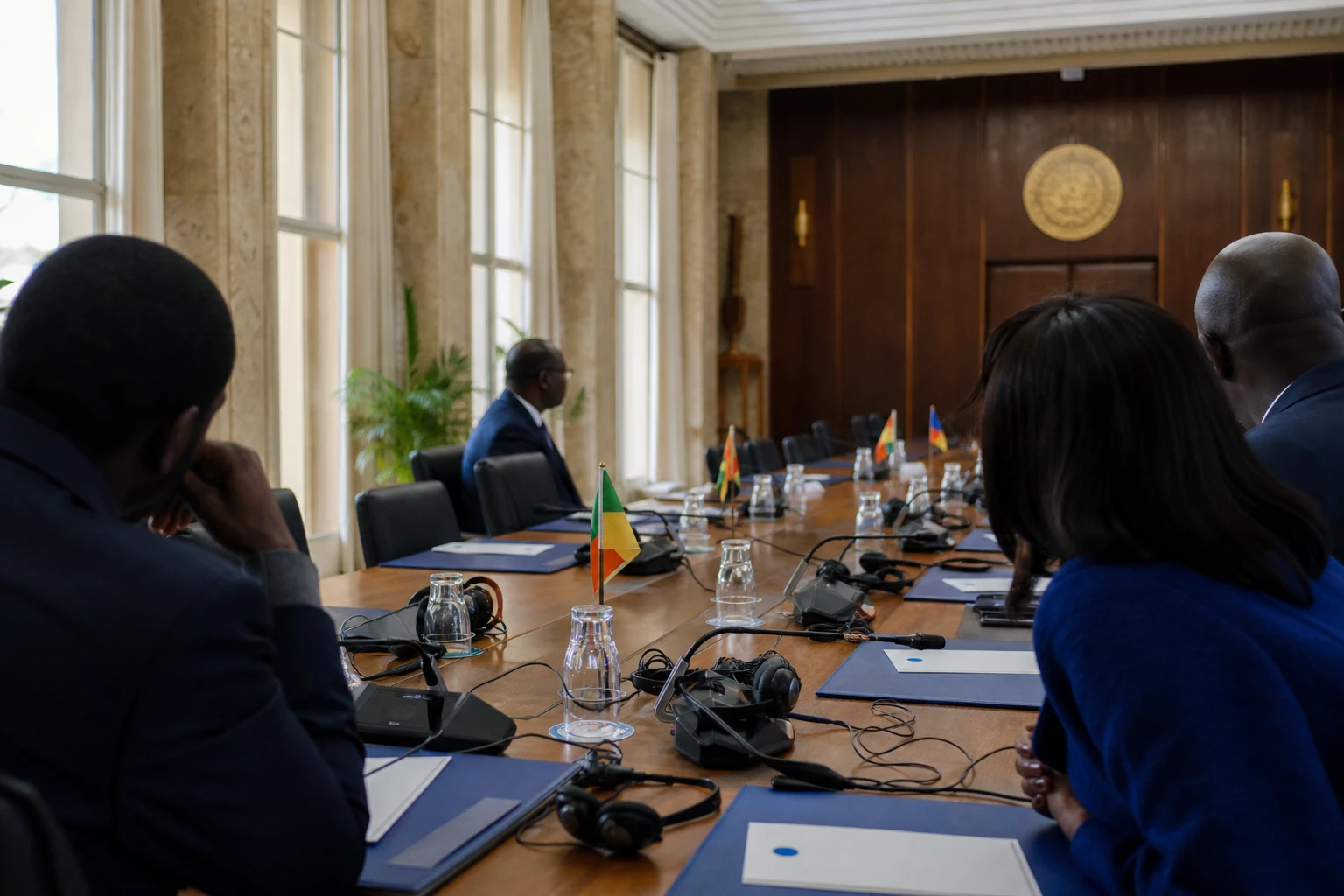
The Council of Ministers on Thursday 10 September 2026, held at the Presidential Palace under the chairmanship of Bassirou Diomaye Diakhar Faye, approved a new series of appointments in the administration and state-owned companies. The official account published by the Presidency of Senegal mentions, in particular, replacements at the head of several bodies, including the National Agency for the Revival of Economic and Social Activities in Casamance.
In the Senegalese press, this wave is described as one of the broadest of the five-year term. Several local media outlets report around 87 individual appointments, including 28 director-general posts, while others cite nearly a hundred public-sector leaders affected, including director-generals, directors and board chairs.
The reshuffle was not limited to a technical reorganisation. It also affected officials known for their closeness to Pastef, the party of Ousmane Sonko. This is precisely the point fuelling political commentary in Dakar: many see it less as an administrative routine than as a signal sent within the presidential majority.
Why this wave matters for Senegal’s trajectory
In Senegal, director-general positions and board seats are not symbolic posts. They oversee budgets, contracts, recruitment and, at times, essential services. When the executive rapidly rotates people in these roles, it is seeking to regain control of the state, but it also risks reinforcing the perception that public-sector levers are being redistributed for political reasons.
The economic context makes this contest even more sensitive. The country remains engaged in tough discussions with its financial partners, while the government is promoting a national transformation agenda with a 2050 horizon. In this context, every appointment to a strategic post can be read as a governance choice, but also as a test of consistency for a government that promised to break with old practices.
For government departments, the impact is immediate: new officials arrive, priorities shift, and some files may be revived or delayed. For public-sector employees, the period brings expectations and sometimes uncertainty. For service users, it may either streamline decision-making or strengthen the impression of a state in perpetual reshuffle.
West African significance and what comes next
This Senegalese episode resonates beyond Dakar. In a West Africa where ECOWAS is already weakened by military transitions, institutional tensions and distrust of political elites, Senegal’s case is a reminder that a victorious change of government does not, by itself, end the struggle for control of the state apparatus.
Senegal nevertheless retains a distinct regional profile: a relatively stable tradition of electoral competition, a capital, Dakar, where decisions are concentrated, and a public administration that remains a central instrument of state action. If the current reshuffle continues, it will say much about the president’s ability to stamp his mark without breaking the already fragile balance of his coalition.
What to watch now is not only the next Council of Ministers. It is how these changes are reflected in the day-to-day management of state-owned companies, in the relationship between the presidency and the government, and in the line Senegal takes towards its West African neighbours at a time when institutional stability remains a major political marker in the region.