Algeria
 Egypt
 Libya
 Morocco
 Sudan
 Tunisia
 Benin
 Burkina Faso
 Cabo Verde
 Côte d'Ivoire
 Ghana
 Guinea
 Guinea-Bissau
 Liberia
 Mali
 Mauritania
 Niger
 Nigeria
 Sierra Leone
 The Gambia
 Togo
 Cameroon
 Central African Republic
 Chad
 DR Congo
 Equatorial Guinea
 Gabon
 Republic of the Congo
 São Tomé and Príncipe
 Burundi
 Comoros
 Djibouti
 Eritrea
 Ethiopia
 Kenya
 Madagascar
 Malawi
 Mauritius
 Mozambique
 Rwanda
 Seychelles
 Somalia
 South Sudan
 Tanzania
 Uganda
 Angola
 Botswana
 Eswatini
 Lesotho
 Namibia
 South Africa
 Zambia
 Zimbabwe
When arrears bring projects to a halt, the whole economic chain seizes up
In Senegal, the state’s debt to businesses is more than just an accounting entry. It weighs on projects, subcontractors, banks and even the jobs that depend on public payments. In Dakar and across the regions, the issue has become a test of trust between the administration and the private sector.
The debate comes at a sensitive time. On 1 September 2026, Senegalese authorities launched a Senegal Debt Treatment Plan designed to restore debt sustainability and ease pressure on public finances. The initiative is part of a broader effort to resume dialogue with businesses, after several months of tension over arrears and access to public contracts.
What the government is announcing, and what businesses are asking for
On Thursday 17 September 2026, Prime Minister Ahmadou Al Aminou Lô met leading private-sector organisations in Dakar. The government reaffirmed its commitment to clearing domestic debt and preparing the next Presidential Investment Council. The authorities say repayment will be spread over three years, with an initial disbursement of CFA francs 300 billion announced by the end of the year.
The overall amount cited by business organisations exceeds CFA francs 1,400 billion. This figure includes claims accumulated over several financial years, at a time when the government has described payment arrears as a key constraint on economic activity. On 8 September, the head of government put those arrears at CFA francs 1,956 billion as of the end of March 2025, covering 5,425 regular and irregular cases, according to official communications.
The construction and public works sector remains the most exposed. As early as April 2026, its professional association estimated the state’s debt to construction and public works companies at around CFA francs 300 billion. This longstanding bill has already led to projects being halted, cash-flow pressures and knock-on delays for subcontractors.
Why the private sector is pressing for faster repayment
Business organisations do not dispute the principle of payment. Their main objection is to the timetable. In their view, spreading the debt over three years would prolong an already lengthy cash-flow crisis. In both industry and construction and public works, business leaders are calling for a shorter repayment period, with tax-offset mechanisms, particularly through VAT and, where applicable, corporation tax.
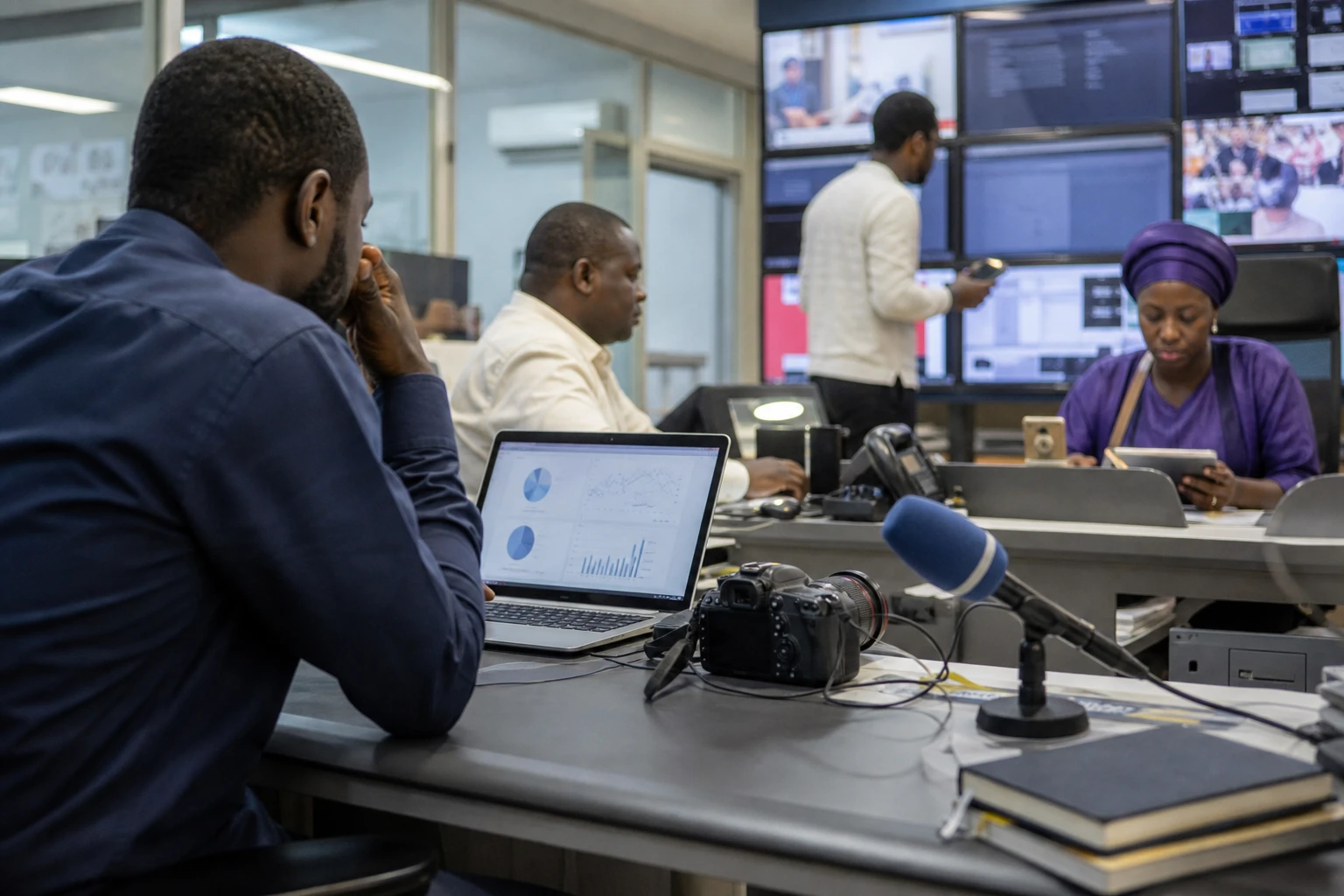
The economic logic is simple. When a company is waiting to be paid for a public contract, it often still has to pay wages, fuel, cement, imported parts and bank loans. When payment is delayed, it is effectively financing the state from its own cash reserves. The strongest groups can weather it. Small and medium-sized businesses, however, feel the impact sooner. This is when layoffs, delivery delays and temporary closures become more frequent.
The slowdown affects more than just the formal sector. It also spreads to the informal economy, often invisible in balance sheets but very much present on construction sites, in transport, handling, local catering and services provided to businesses. When a project stops, it is not only large companies that grind to a halt. Hundreds of daily incomes, more precarious and less protected, also shrink.
A budgetary issue, but also a political and regional one
The issue goes beyond the relationship between the state and Senegalese business owners. It affects the credibility of the country’s macroeconomic framework, as Dakar seeks to restore investor confidence, secure access to the WAEMU regional market — the West African Economic and Monetary Union — and avoid another cycle of payment delays. The Finance Ministry itself has presented the Senegal Debt Treatment Plan as a tool for active debt management and for injecting resources back into the economy.
The timing also matters for West Africa. In several countries in the region, debate over public arrears, state guarantees and debt sustainability is returning to the same fundamental question: how can investment be financed without damaging the local productive sector? In Senegal, this debate is also part of the revival of Vision Senegal 2050, a programme that depends on businesses being able to produce, hire and build.
The continental stakes are clear. If the announced clearance succeeds, it could give local businesses some breathing space and improve the transparency of the country’s public finances. If it drags on too long, however, it risks prolonging a wait-and-see approach, delaying investment and fuelling mistrust. The next milestone to watch will therefore be less symbolic than practical: the actual speed of payments, the selection of claims to be settled and how the state balances sound public accounts with the revival of economic activity.