Algeria
 Egypt
 Libya
 Morocco
 Sudan
 Tunisia
 Benin
 Burkina Faso
 Cabo Verde
 Côte d'Ivoire
 Ghana
 Guinea
 Guinea-Bissau
 Liberia
 Mali
 Mauritania
 Niger
 Nigeria
 Sierra Leone
 The Gambia
 Togo
 Cameroon
 Central African Republic
 Chad
 DR Congo
 Equatorial Guinea
 Gabon
 Republic of the Congo
 São Tomé and Príncipe
 Burundi
 Comoros
 Djibouti
 Eritrea
 Ethiopia
 Kenya
 Madagascar
 Malawi
 Mauritius
 Mozambique
 Rwanda
 Seychelles
 Somalia
 South Sudan
 Tanzania
 Uganda
 Angola
 Botswana
 Eswatini
 Lesotho
 Namibia
 South Africa
 Zambia
 Zimbabwe
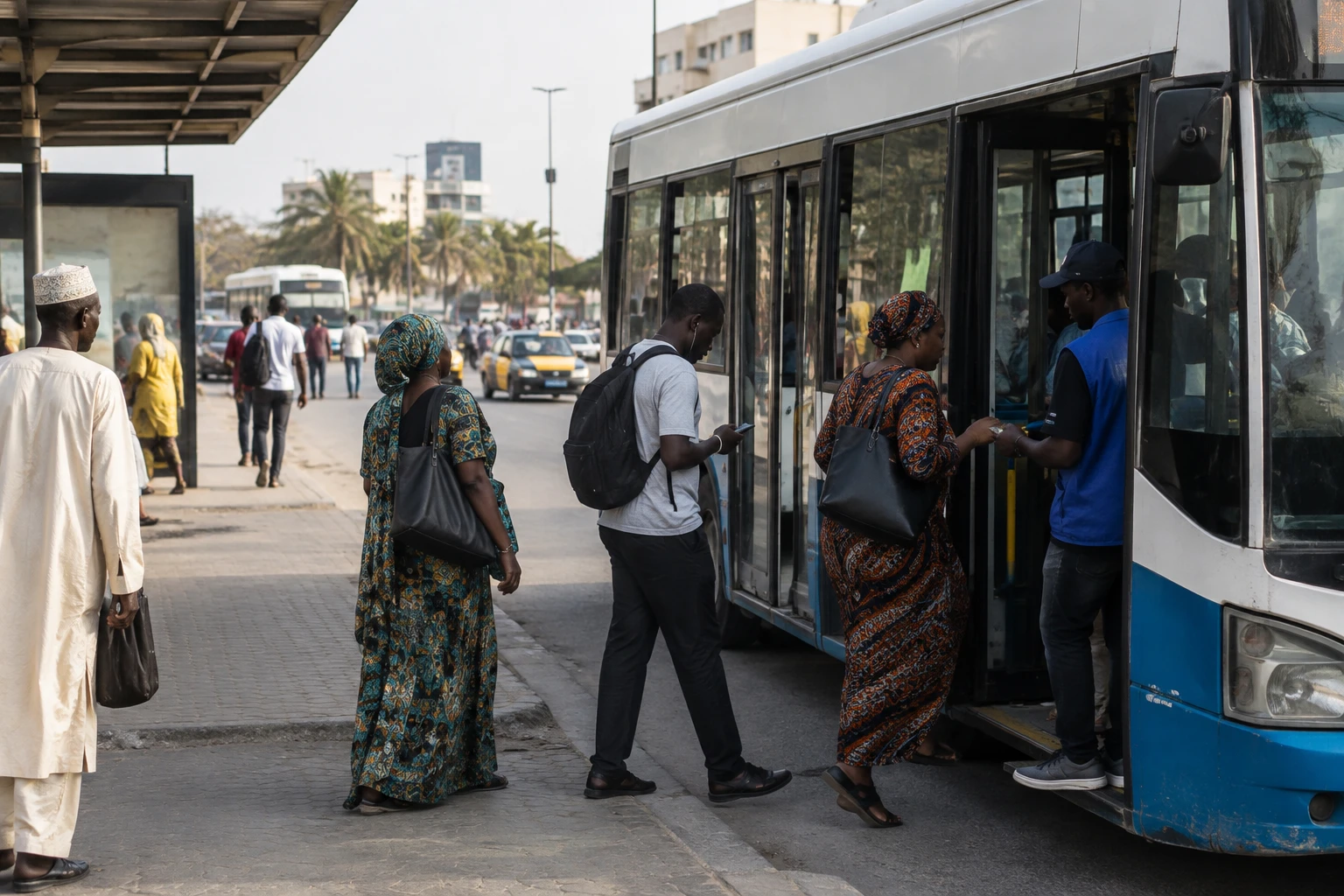
In Senegal, the budget debate has a direct bearing on household aid, energy costs and the state’s ability to finance its commitments. In Dakar, MPs must now resolve a disagreement that persists despite a further working session between the government and the Finance Committee.
Bill sent back for further compromise talks
On 27 October 2026, when the supplementary finance bill (LFR) was due to be examined in plenary, the government asked for it to be sent back to committee. An LFR adjusts the state budget during the year when forecast revenues or spending need to be revised. The National Assembly agreed to the referral to allow for further discussions, the Senegalese Press Agency reports (APS report on the bill’s referral).
The Finance and Budgetary Oversight Committee had already voted against the bill on 23 October. Meeting again on Friday 30 October, it maintained its rejection after receiving responses from the Ministry of Economy and Finance. Senegalese daily Le Soleil confirms that the government had sent parliamentarians further details and defended its budget choices (the government’s explanations of the 2026 LFR).
Disagreements concern, in particular, the funding of family grants and energy subsidies. Committee members are demanding stronger guarantees on protecting purchasing power and question the soundness of some budget assumptions. The government says its responses set out the choices made and highlights the risks that a delay would pose to financing for the financial year.
Rejection in committee does not end the process. The plenary vote is scheduled for Tuesday 3 November. The committee gives its opinion and can recommend amendments, but all MPs must vote on the bill.
Parliamentary majority faces a political choice
The balance of power is particularly clear: the Pastef group holds 130 of the National Assembly’s 165 seats, according to information released on the composition of parliament. If its MPs reject the LFR in plenary, the initial budget will remain in force, without the adjustments proposed by the government. The vote therefore goes beyond a technical examination of the accounts: it tests relations between the executive and the majority elected at the polls.
Pastef’s criticism concerns the substance of the budget choices and what it sees as inadequate guarantees for households. By contrast, independent MP Cheikh Ahmed Tidiane Youm praised the government’s efforts to be transparent and criticised the majority’s position, which he considers damaging to the economy. These positions reflect two interpretations of the negotiations: one emphasises parliamentary oversight and social protection, the other the cost of a prolonged deadlock.
For Senegalese people, the issue is not confined to accounting balances. Family grants support eligible households, while energy subsidies affect public spending and, depending on the measures adopted, users’ bills. The choices made may therefore have different effects on families, businesses and state finances. However, the debates reported so far do not justify saying that rejection would automatically lead to the immediate removal of this aid: that will depend on the budget in force and on measures already authorised.
IMF timetable adds financial pressure
The dispute comes as Dakar seeks to secure a new programme with the International Monetary Fund. On 1 September 2026, the IMF announced a staff-level agreement for a 36-month programme worth about $2.2bn, covering the period 2026–2029. This technical agreement does not, by itself, amount to a disbursement: it opens the way to the necessary institutional steps. The Fund says the programme aims, among other things, to reduce fiscal vulnerabilities and strengthen social spending (the IMF’s presentation of the programme).
Le Soleil reports that the government has warned that a delay in adopting the LFR could push some exceptional budget support, project financing and programme loans back to 2027. This is the executive’s warning, not an outcome that has already been decided. The distinction matters: the result will depend on parliamentary decisions and the conditions attached to the funding concerned.
Recent developments also weigh on these discussions. After discrepancies in earlier debt and deficit data came to light, the authorities made budget transparency a central issue. But making the accounts easier to understand does not resolve the disagreement over how the burden should be shared: who should bear the adjustments, which spending should be protected and how public services should be financed remain at the heart of the confrontation.
A test for West African institutions
The 3 November vote will show whether the parliamentary majority backs the bill after its examination in plenary, or whether the initial budget remains the reference point. In either case, the government and MPs will then have to clarify the practical effects on social transfers, energy measures and financing for 2026.
The episode is being watched beyond Senegal. The country belongs to the West African Economic and Monetary Union (UEMOA), which shares a currency and budget convergence rules, and to ECOWAS, a regional integration organisation. Dakar’s choices matter to its partners and creditors, but the parliamentary debate also serves as a reminder that financial commitments must pass through national institutions and take social priorities into account. The next concrete step is the plenary vote: it will show whether the disagreement can be resolved in the chamber or whether budget uncertainty will persist.