Algeria
 Egypt
 Libya
 Morocco
 Sudan
 Tunisia
 Benin
 Burkina Faso
 Cabo Verde
 Côte d'Ivoire
 Ghana
 Guinea
 Guinea-Bissau
 Liberia
 Mali
 Mauritania
 Niger
 Nigeria
 Sierra Leone
 The Gambia
 Togo
 Cameroon
 Central African Republic
 Chad
 DR Congo
 Equatorial Guinea
 Gabon
 Republic of the Congo
 São Tomé and Príncipe
 Burundi
 Comoros
 Djibouti
 Eritrea
 Ethiopia
 Kenya
 Madagascar
 Malawi
 Mauritius
 Mozambique
 Rwanda
 Seychelles
 Somalia
 South Sudan
 Tanzania
 Uganda
 Angola
 Botswana
 Eswatini
 Lesotho
 Namibia
 South Africa
 Zambia
 Zimbabwe
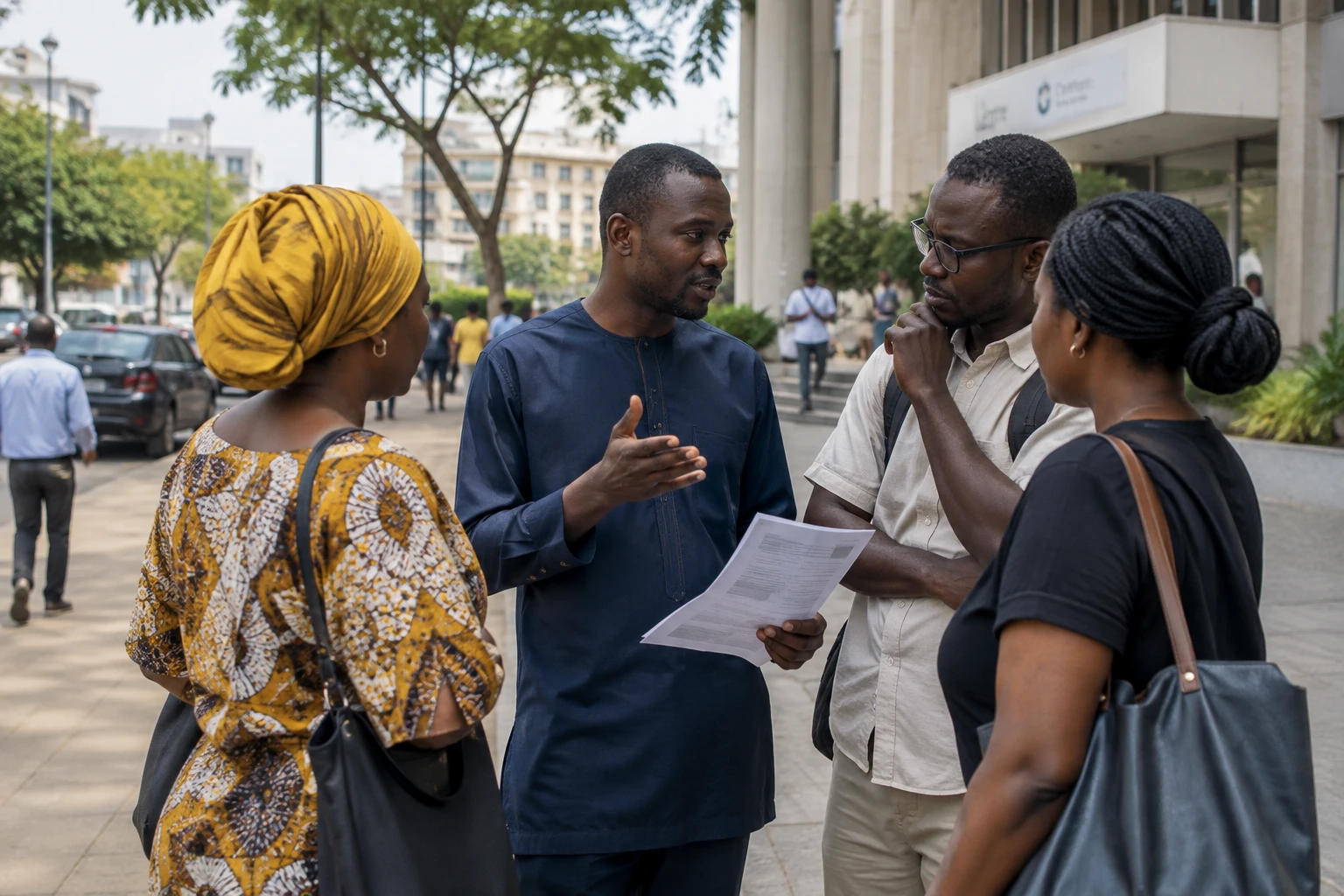
In Dakar, a budget discussion can now test two centres of power that claim allegiance to the same political camp. The government wants its supplementary budget adopted; Pastef MPs are challenging the bill and demanding guarantees. The stakes go beyond the chamber: they concern spending choices and how Senegal’s public debt is managed.
A disagreement within the government
On 23 October, the draft 2026 supplementary finance bill (LFR) was rejected by a committee of the National Assembly. An LFR adjusts the revenue and spending set out in the budget during the course of the year. The committee vote does not, however, conclude the procedure: the bill still has to be examined in plenary. The report on the committee’s rejection and information published by SenePlus on the next parliamentary steps confirm that the debate is set to continue.
Prime Minister Ahmadou Alhaminou Mohamed Lô says an agreement remains possible. In an interview broadcast from Dakar, he says he has called for discussions to continue and is ready to consider MPs’ amendments. He therefore presents the committee rejection as a disagreement that can still be negotiated, not as the end of the process.
The tension is all the more notable because Pastef, the party in power, carries decisive weight in the Assembly. Ousmane Sonko, who preceded Lô as prime minister, now chairs the institution. The dispute thus sets a government against MPs from the same movement, but faced with budgetary and political trade-offs.
Debt at the heart of the trade-offs
The government argues that public finances need to be restored and debt made sustainable. The prime minister says that earlier discussions with Sonko had also highlighted this concern. This account of their discussions is Lô’s; it is not, in itself, a joint public statement by the two officials.
The issue comes against an already strained financial backdrop. The Court of Accounts revised its estimates of debt and deficits in previous years after examining public accounts. The African Development Bank’s country diagnostic note also addresses debt-management challenges. These factors explain why revenue assumptions, planned spending and transparency around public commitments have become sensitive points in the debate.
The parliamentary committee’s discussion is not limited to the total amount of spending. Senegalese reports say requests have been made for clarification on special funds, projected deficits, investment implementation and debt audits. These demands combine parliamentary oversight with disagreement over priorities. The government, for its part, must explain how its financial choices can address the debt constraint without compromising the services and investments expected by the public.
The effects would not be felt equally. Spending adjustments can affect public projects, government suppliers and local authorities, while households feel the effects of possible tax measures or service cuts more directly. Businesses and informal-sector players also depend on the flow of public payments, although the precise effects will depend on the final content of the bill.
A parliamentary test ahead of the Games
The timing adds a particular dimension. The Dakar 2026 Youth Olympic Games take place from 31 October to 13 November 2026, with events planned in Dakar, Diamniadio and Saly. The International Olympic Committee confirms these dates, as does the Senegalese Press Agency, which has set out the provisional programme. The government says the country is ready to host the delegations and hopes the event will strengthen the opportunities available to young people.
But the Games’ proximity does not resolve the budget dispute. Rather, it confronts officials with two simultaneous demands: to ensure the continuity of public affairs and stage a major international event, while answering questions about state finances. For residents of the capital and host cities, the success of the Games will also be measured by the organisation of transport, services and economic activity, beyond the sporting ceremonies.
Across West Africa, Senegal’s financial situation is being closely watched. The country belongs to WAEMU, the West African Economic and Monetary Union, whose member states share, among other things, a currency and a regional financial market. Dakar’s decisions may therefore matter to investors and other states borrowing on that market, without implying that their budget trajectories are identical.
The next step is the plenary debate, scheduled for 27 October according to parliamentary information reported in the Senegalese press. Until then, the prime minister’s stated openness will have to translate into amendments being debated and verifiable answers. The vote will show whether the promised dialogue is enough to bring the executive and the parliamentary majority closer together, or whether disagreement takes root at the very heart of Senegal’s government.