
 Algeria
 Egypt
 Libya
 Morocco
 Sudan
 Tunisia
 Benin
 Burkina Faso
 Cabo Verde
 Côte d'Ivoire
 Ghana
 Guinea
 Guinea-Bissau
 Liberia
 Mali
 Mauritania
 Niger
 Nigeria
 Sierra Leone
 The Gambia
 Togo
 Cameroon
 Central African Republic
 Chad
 DR Congo
 Equatorial Guinea
 Gabon
 Republic of the Congo
 São Tomé and Príncipe
 Burundi
 Comoros
 Djibouti
 Eritrea
 Ethiopia
 Kenya
 Madagascar
 Malawi
 Mauritius
 Mozambique
 Rwanda
 Seychelles
 Somalia
 South Sudan
 Tanzania
 Uganda
 Angola
 Botswana
 Eswatini
 Lesotho
 Namibia
 South Africa
 Zambia
 Zimbabwe
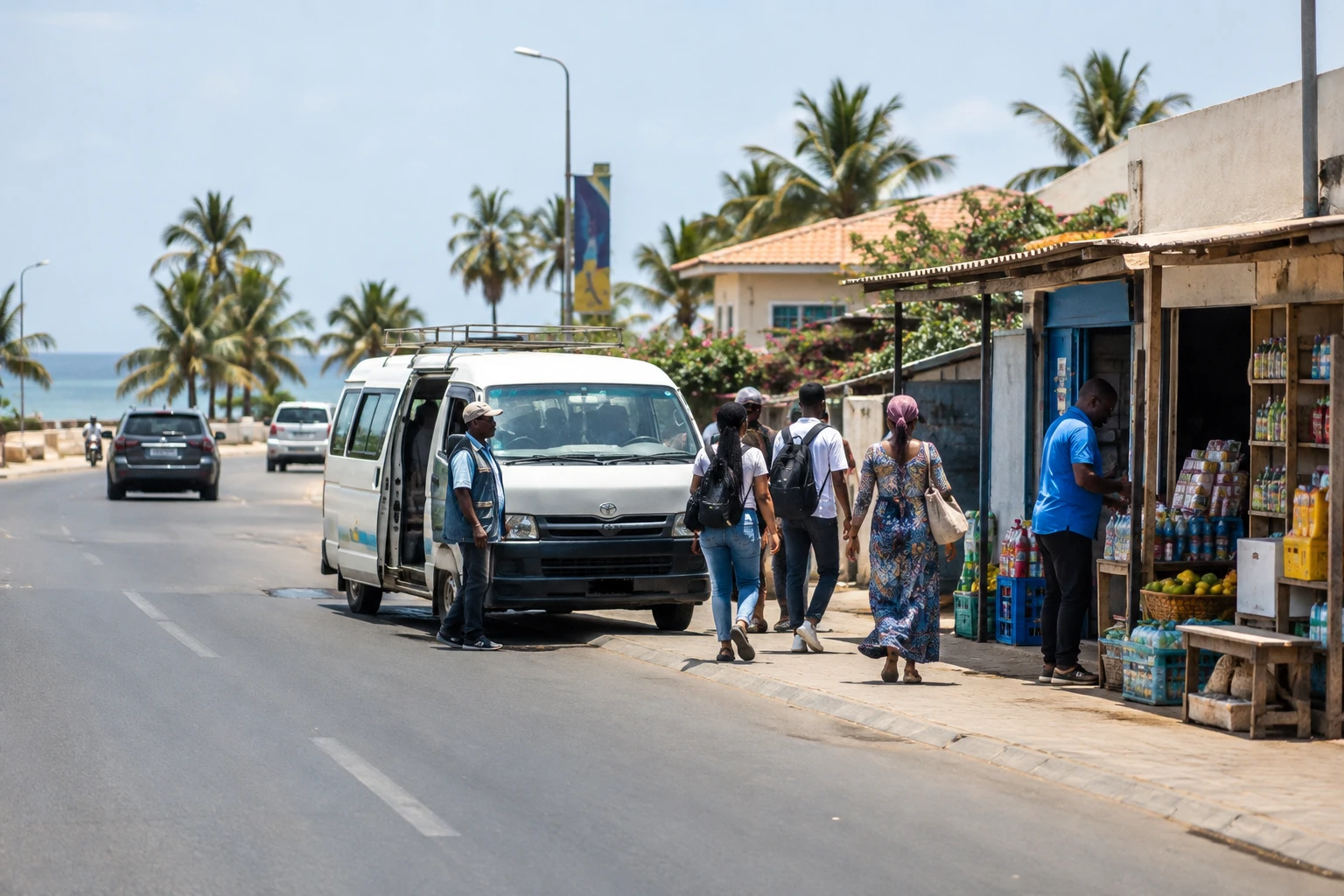
A global event can fill the stands without bringing more customers into nearby shops. In Saly, a seaside resort on the Petite-Côte, traders and craftspeople had hoped to benefit from the Youth Olympic Games (YOG). But at the start of the competition, visitor numbers remain below their expectations, according to accounts gathered in a report broadcast on 5 November 2026.
A competition spread across three hubs
The YOG are taking place from 31 October to 13 November 2026. They are the first Olympic event to be held on the African continent. Around 2,700 young athletes are competing in events across Dakar, Diamniadio and Saly. The latter is hosting events on its beach, including handball and beach volleyball, beach wrestling, coastal rowing, sailing and triathlon. The schedule and venues for events in Saly give the resort a prominent place in the Games programme.
The economic promise, however, extends beyond the sports venues alone. It concerns accommodation, food and drink, transport, vendors and craftspeople. But visitors must circulate around the town, have time to spend and know where to find businesses. The presence of athletes or delegations therefore does not automatically translate into increased sales for every local business.
For the Petite-Côte, the issue forms part of a longer tourism trajectory. Saly has developed as a seaside resort, but tourism professionals also point to the challenges facing a destination that must renew its appeal and better connect its offerings. Before the Games, Senegalese officials had already presented the event as an opportunity to boost local tourism. This was an expectation, not a guarantee of immediate revenue.
Local expectations meet the first few days
In Saly, traders and craftspeople had banked on a greater influx of tourists. Yet at the start of the competitions, they are reporting fewer visitors than they had hoped for, according to the report broadcast on 5 November. The available information gives no visitor figures, comparison with a typical period, or amount of lost sales or revenue. It is therefore too early to measure the scale of the shortfall.
This finding must also be kept in perspective. It describes the expectations and experiences of people interviewed, not the whole of Saly’s economy. Results may differ between hotels, restaurants, street vendors, shops and workshops. They also vary according to proximity to competition venues, event times and visitors’ ability to travel beyond the sites.
The distinction matters for small businesses. An establishment hosting a delegation directly may benefit from advance bookings. By contrast, a craftsperson or trader depends more on passing footfall, visitors being directed to them and the ability to reach commercial areas. A city can therefore host a major competition without its benefits being evenly distributed.
From visibility to revenue: making the connection
The organisers and Senegalese authorities champion the YOG as an investment in sport, young people and the country’s visibility. Economic analyses published before the Games also put forward estimates of their impact. These projections, however, are not an account of results achieved. They depend in particular on the share of spending that remains in the Senegalese economy and how it is distributed between large companies and local businesses.
International exposure can put Saly on the map for future visitors. But that effect takes time to build. It requires accessible services, a clear tourism offer and links between the sports venues and activities on the Petite-Côte. In the short term, traders mainly need to know where visitors are passing through, how to access sales areas and what events might attract them.
Comparison with Dakar calls for caution. The issues are not the same in the capital, Diamniadio and Saly. A major venue or heavy footfall at one site does not sum up the effects on neighbourhoods, neighbouring municipalities or informal businesses. In Dakar, for example, workers displaced during preparations for sporting events said that being moved away from a market had reduced their visibility to customers. Each site must therefore be assessed in terms of its own uses and the people who earn their living there.
An assessment to be made after the competition
Senegal is hosting these Games as part of ECOWAS, the Economic Community of West African States. The competition gives the country and the region a sporting showcase, but its local success will also be measured by the legacy left after the delegations depart. For Saly, that means examining the spending actually made, the jobs created, the contracts awarded to Senegalese companies and the benefits gained by small businesses.
The schedule makes it important to distinguish immediate results from lasting effects. The YOG end on 13 November. Data from the remaining days, followed by an assessment after the event, will show whether visitor numbers changed and which sectors benefited. These results will also need to be compared with forecasts and typical tourist periods, without confusing announcements and estimates with observed revenue.
For the craftspeople and traders interviewed, the question is a practical one: will the promised crowds translate into customers and income? The first few days are not enough to settle the matter. They do, however, serve as a reminder that a historically significant continental event does not, by itself, produce equitable benefits. In Saly, as elsewhere, these will depend on the connections between venues, visitors and the local economy.



