Algeria
 Egypt
 Libya
 Morocco
 Sudan
 Tunisia
 Benin
 Burkina Faso
 Cabo Verde
 Côte d'Ivoire
 Ghana
 Guinea
 Guinea-Bissau
 Liberia
 Mali
 Mauritania
 Niger
 Nigeria
 Senegal
 Sierra Leone
 The Gambia
 Togo
 Cameroon
 Central African Republic
 Chad
 DR Congo
 Equatorial Guinea
 Gabon
 Republic of the Congo
 São Tomé and Príncipe
 Burundi
 Comoros
 Djibouti
 Eritrea
 Ethiopia
 Kenya
 Madagascar
 Malawi
 Mauritius
 Mozambique
 Rwanda
 Seychelles
 Somalia
 South Sudan
 Tanzania
 Uganda
 Angola
 Botswana
 Eswatini
 Lesotho
 Namibia
 Zambia
 Zimbabwe
A trade warning that goes beyond taxes
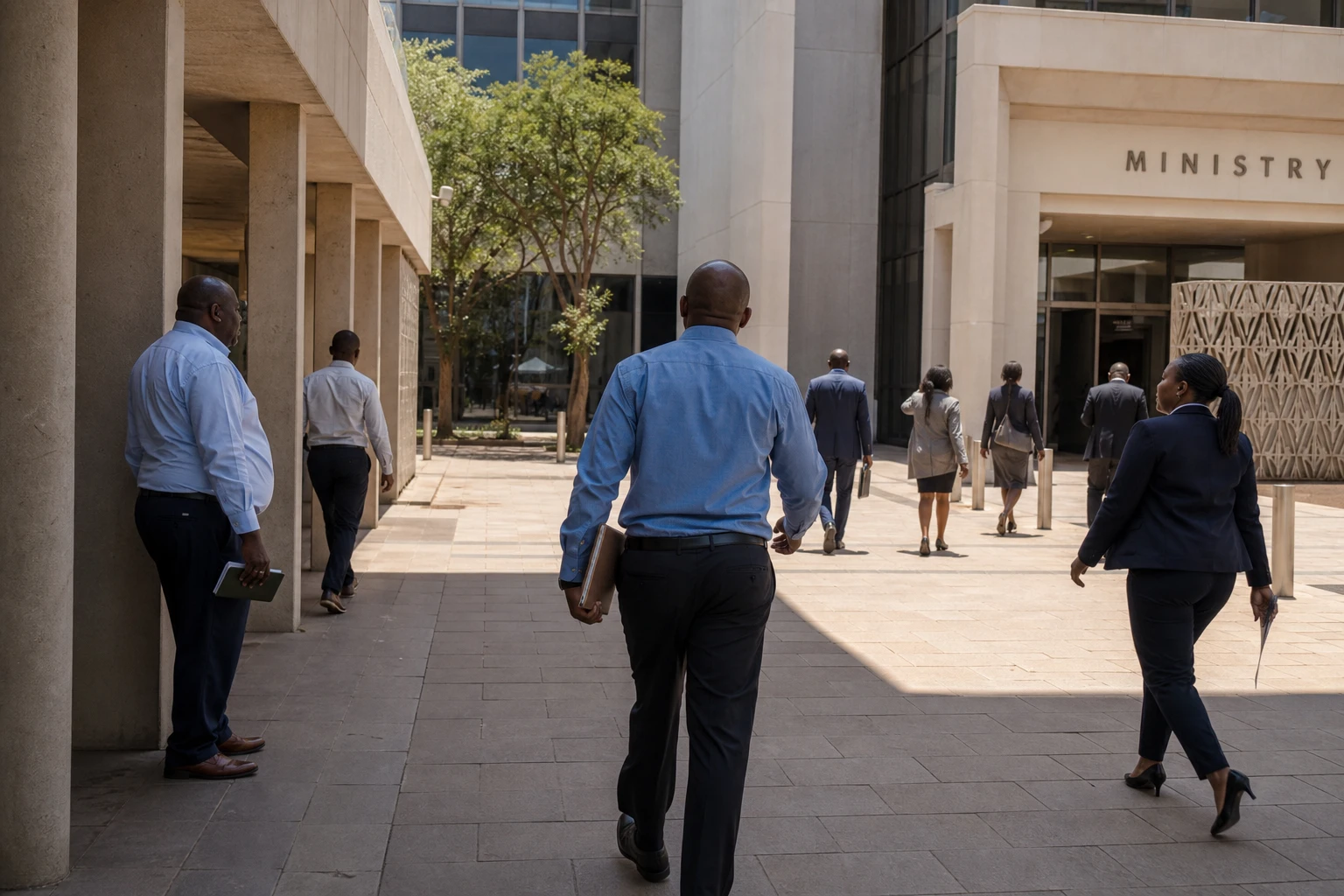
In Pretoria, the latest increase in US tariffs is not seen merely as a trade dispute. It also points to a battle over reputation in supply chains, as South African exporters seek to secure access to a market that remains strategic. The surcharges announced by Washington target 60 economies and form part of a procedure based on forced labour, with a rate of 10% for countries deemed insufficiently equipped and 12.5% for those considered not to have introduced an effective prohibition.
For South Africa, the stakes are high. The country has built a legal framework banning forced labour in its Constitution and labour law, and has ratified the relevant fundamental conventions of the International Labour Organization. Pretoria therefore argues that the legal basis is already in place, alongside monitoring mechanisms.
Pretoria defends its legal framework and access to the US market
The South African government has challenged the classification that subjects it to a 12.5% surcharge. In its submission to Washington, the delegation led by the Department of Trade recalled that the country prohibits forced labour, has ratified the ILO’s fundamental conventions and has measures in place to prevent goods resulting from such practices from entering its supply chains. The official position was made public after a hearing before the USTR, the US administration responsible for foreign trade.
The case comes amid already strained relations. Since 2025, trade relations between Pretoria and Washington have been marked by a succession of tariff measures and difficult negotiations. The South African government has already said it intends to respond through negotiations, market diversification and support for affected businesses. South Africa’s parliament has also noted that exports to the United States account for a significant share of the country’s foreign trade.
The timing is significant. The new surcharges came into force as the temporary 10% tariffs announced earlier were due to expire. The move to a more targeted regime shows that Washington no longer wants to discuss only trade balance, but also the social and legal compliance of supply chains.
What this means for South Africa’s economy
The impact could be swift in some sectors. South African exports to the United States comprise a mix of manufactured goods, minerals and agricultural products. Parliament noted that in 2023, the export basket to the United States consisted of about 43% manufactured goods, 50% minerals and 7% agricultural products.
This is key to understanding the risks. Car manufacturers, component producers, fruit exporters and mining operators are not exposed in the same way. A 12.5% surcharge could eat into the margins of exporters already facing transport costs, logistical constraints and a volatile exchange rate. It could also force businesses to choose between retaining the US market and seeking alternative outlets.
Agriculture remains a sector to watch particularly closely. Fruit exports, especially citrus, have benefited from access to the US market, including through AGOA, the US trade preference framework for sub-Saharan Africa. At the same time, the country has highlighted its growing presence in other markets: in 2026, Pretoria celebrated a record in citrus exports, demonstrating that South African competitiveness does not depend on a single outlet.
For workers, the stakes are twofold. On the one hand, pressure on exports could curb orders and investment. On the other, the US debate over forced labour directly concerns a country that has enshrined the prohibition of slavery, servitude and forced labour in its constitutional order. The issue is therefore not merely commercial. It also concerns the credibility of checks, inspections and product traceability.
A South African case, but a regional one too
The impact extends beyond Pretoria. South Africa plays a central role in the Southern African Development Community, or SADC, which brings together the region’s economies. In May 2026, SADC foreign ministers assessed the effects of geopolitical tensions on regional trade, energy, tourism and finance. They stressed the need for a more coherent African voice in international negotiations.
In this context, the US decision could serve as a signal. If Washington takes a tougher approach over the long term, other African economies could be pressed to demonstrate more clearly the strength of their social laws, customs controls and supply-chain traceability. This concerns exporters as well as tax administrations, labour authorities and certification bodies.
SADC has already expressed concern about the effects of new US trade policies on the region. In 2025, the regional bloc noted that US tariff measures were weighing on value chains across the board. The new forced-labour surcharge therefore adds another layer of complexity to an already unstable environment.
For the African Union, the case also illustrates a broader point: the battle over the AfCFTA, the African Continental Free Trade Area, is not being fought solely within the continent. It also depends on African states’ ability to protect their exports, harmonise their rules and secure recognition of their legal frameworks abroad. If South Africa succeeds in making its case, the precedent will matter beyond its own borders.
The real test will begin in the coming weeks, as these surcharges translate into contracts, prices and export volumes. That is where Pretoria’s ability to preserve its position in a global trade system that has become more political, more fragmented and more attentive to social standards will be measured, far more than in statements.