Algeria
 Egypt
 Libya
 Morocco
 Sudan
 Tunisia
 Benin
 Burkina Faso
 Cabo Verde
 Côte d'Ivoire
 Ghana
 Guinea
 Guinea-Bissau
 Liberia
 Mali
 Mauritania
 Niger
 Nigeria
 Senegal
 Sierra Leone
 The Gambia
 Togo
 Cameroon
 Central African Republic
 Chad
 DR Congo
 Equatorial Guinea
 Gabon
 Republic of the Congo
 São Tomé and Príncipe
 Burundi
 Comoros
 Djibouti
 Eritrea
 Ethiopia
 Kenya
 Madagascar
 Malawi
 Mauritius
 Mozambique
 Rwanda
 Seychelles
 Somalia
 South Sudan
 Tanzania
 Uganda
 Angola
 Botswana
 Eswatini
 Lesotho
 Namibia
 Zambia
 Zimbabwe
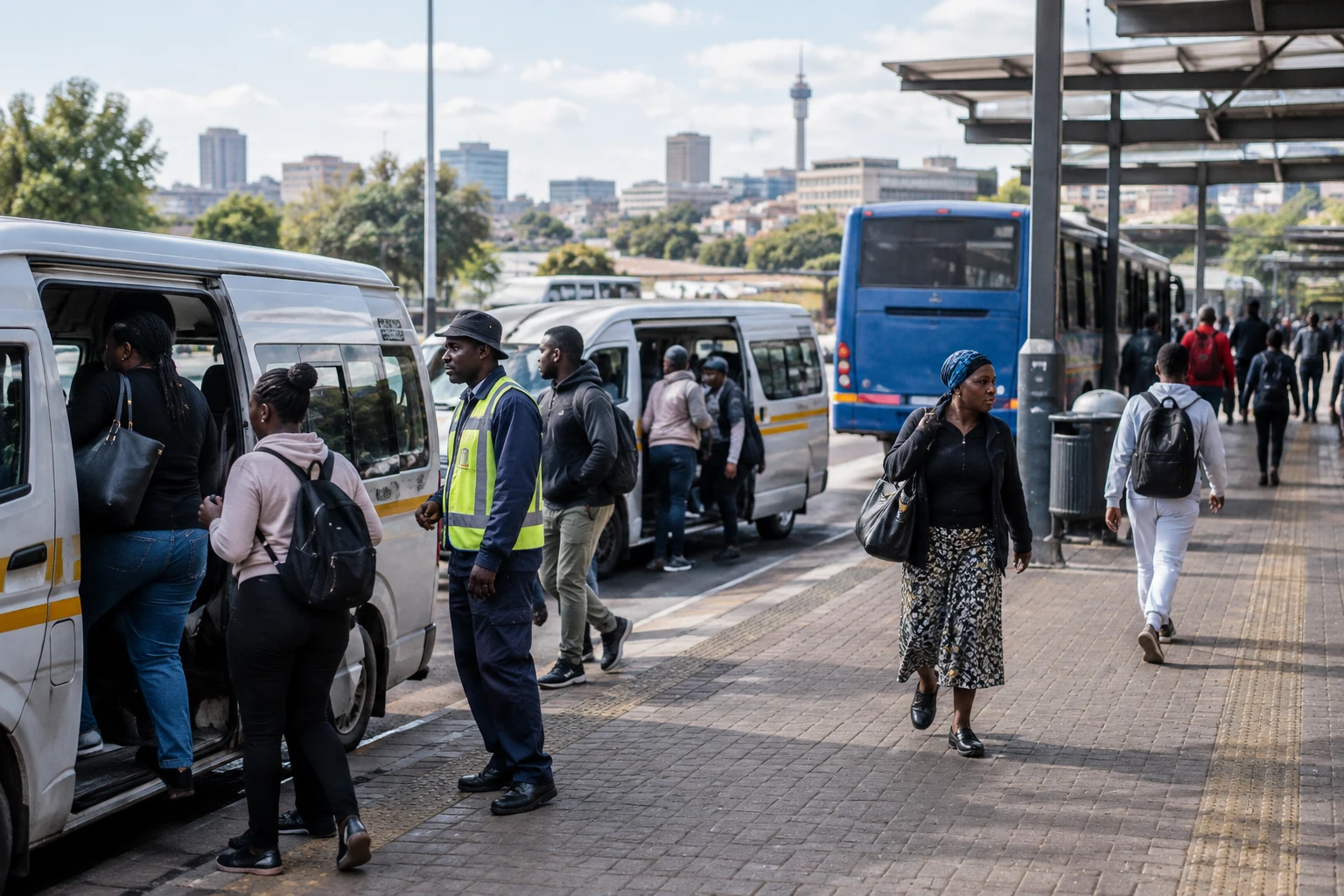
The ANC’s historic decline in South Africa’s latest local elections raises questions about the quality and effectiveness of public services in the country. Historical loyalty to the African National Congress appears to be waning in the face of the dominant party’s inability to provide essential public services since the end of apartheid. This rejection paves the way for coalitions in most cities and a reshaping of the political landscape.
A decline amid political realignment
Although the ANC has led South Africa since the first democratic elections in 1994, its electoral base has clearly been eroding over several elections. In 2024, the party had already lost its majority in parliament for the first time, forcing President Cyril Ramaphosa to form a coalition government with the Democratic Alliance (DA) and other parties. Although local, this weekend’s vote was nevertheless another test for one of the region’s most influential democracies, where coalitions are playing an increasingly prominent role.
The Independent Electoral Commission declared the final results on Sunday, 8 November. The ANC won 30.76% of the vote, compared with about 45.9% in the 2021 municipal elections. The party remains the largest nationally, but its lead over its rivals has narrowed considerably. The Democratic Alliance (DA), a liberal party that is the ANC’s main rival and its leading partner in a government of national unity, came second with 24.67% of the vote.
Public services at the heart of the vote
These results confirm the ANC’s decline. The party retains elected representatives and strongholds, but it can no longer assume it will govern alone. The gap between its legacy — the struggle against apartheid and the advent of democracy in 1994 — and the experience of millions of residents facing deteriorating public services continues to widen.
Everyday problems involving water and electricity supplies, insecurity and the maintenance of cities featured prominently in the campaign. “Where we have failed, our movement does not deny it. Communities have been left without water. Rubbish has not been collected. Roads have not been maintained,” ANC secretary-general Fikile Mbalula acknowledged, describing the results as “catastrophic”. “We have been weighed in the balance, and where we have been found wanting, we dare not challenge the scales,” he added.
A new test for South African democracy
Rejected at the ballot box, the ANC will have to share power. More than half of South Africa’s 213 municipal councils have no outright majority. The South African electorate’s vote opens the way to difficult negotiations to form coalitions in several major cities.
President Cyril Ramaphosa, the ANC leader, has urged parties to put people’s needs first in the discussions ahead, warning that essential services must not be held hostage to political disagreements.
“The people have spoken. Their verdict must be respected. Their concerns must be heard and their expectations must now be met,” he said on Sunday.
The timetable requires newly elected councils to hold their first meeting within 14 days of the official proclamation of the results. At that meeting, councillors must elect mayors and other office-holders.
For SADC partners and African Union observers, the stakes go beyond the ANC’s score: they include how institutions manage a more fragmented contest. The next stage will play out in municipal councils, where parties must appoint their executives and agree on budgets. That is when the ballot-box verdict will take concrete shape for residents.
Results and cross-checks: SABC News on South Africa’s municipal results, Mail & Guardian on the ANC’s final score, SAnews on the results and turnout and Associated Press on the electoral decline and municipal stakes.