
 Algeria
 Egypt
 Libya
 Morocco
 Sudan
 Tunisia
 Benin
 Burkina Faso
 Cabo Verde
 Côte d'Ivoire
 Ghana
 Guinea
 Guinea-Bissau
 Liberia
 Mali
 Mauritania
 Niger
 Nigeria
 Senegal
 Sierra Leone
 The Gambia
 Togo
 Cameroon
 Central African Republic
 Chad
 DR Congo
 Equatorial Guinea
 Gabon
 Republic of the Congo
 São Tomé and Príncipe
 Burundi
 Comoros
 Djibouti
 Eritrea
 Kenya
 Madagascar
 Malawi
 Mauritius
 Mozambique
 Rwanda
 Seychelles
 Somalia
 South Sudan
 Tanzania
 Uganda
 Angola
 Botswana
 Eswatini
 Lesotho
 Namibia
 South Africa
 Zambia
 Zimbabwe
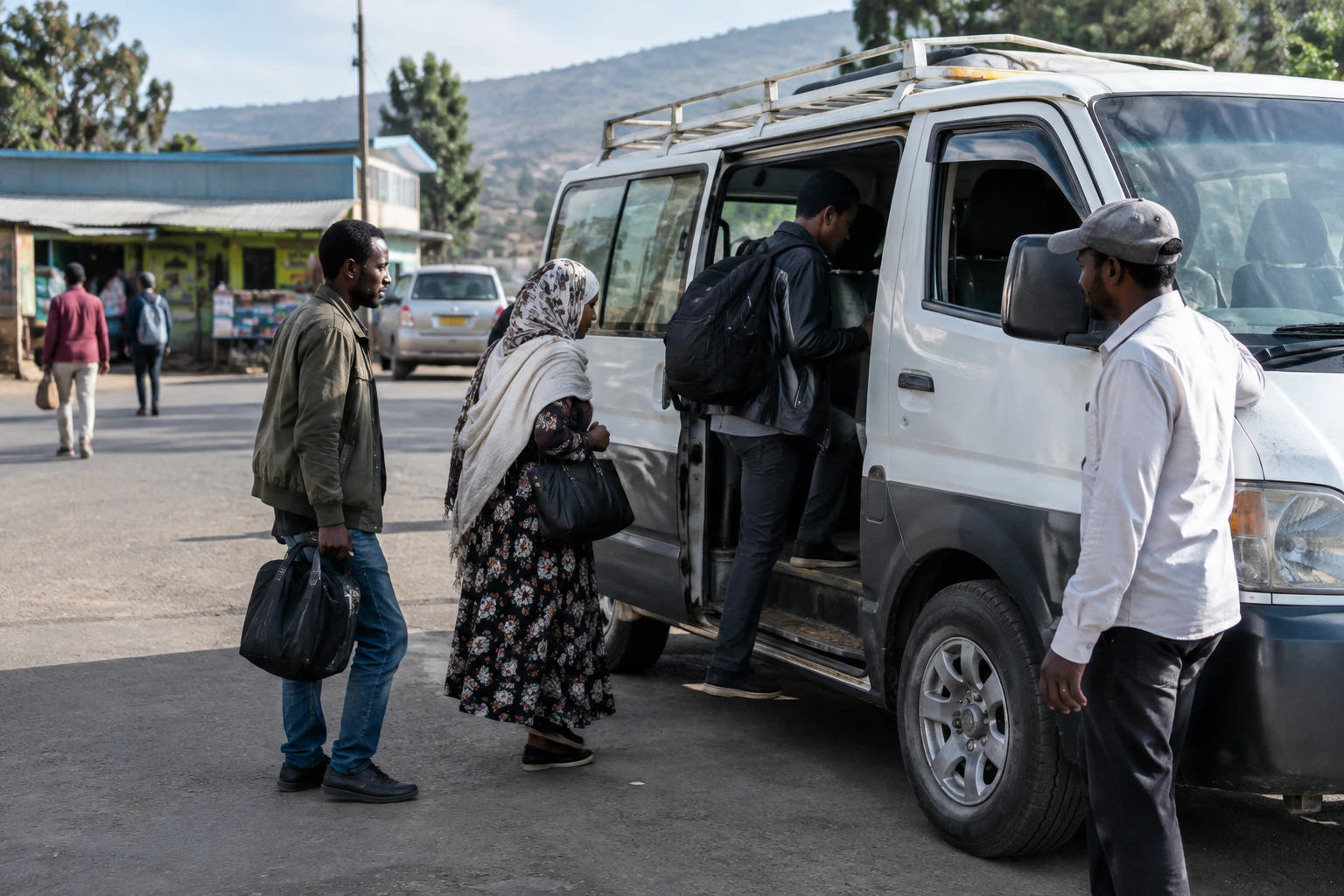
In Arsi, in southern Ethiopia, families are not the only ones to bear the consequences of an attack: displacement, places of worship and access to local services can also be affected. Two deadly incidents reported in October have renewed concerns about civilian protection in a region where insecurity has persisted for several years.
Attacks reported in two Arsi districts
The Holy Synod of the Ethiopian Orthodox Tewahedo Church says 14 worshippers were killed on 20 October 2026 in Merti district, followed by 46 more on 24 October in Sherka district. Both districts are in the Arsi zone of Oromia. The Church also reports more than 20 people seriously injured and homes set on fire.
The death toll of 60 is based on the Church’s statement. The African news agency APA reported the same figures and specified the locations named by the Synod. Reuters also reported the death toll, dates and locations. However, this information does not amount to independent confirmation of each death: both reports rely on statements by religious authorities.
The Ethiopian Human Rights Commission said it was monitoring the situation and examining the information available. Details published by the institution in a subsequent statement describe renewed attacks in several Arsi districts since October 2025, with deaths, injuries, destruction and displacement. They confirm a persistent climate of insecurity, but do not, on their own, verify the precise toll from the two October 2026 incidents.
The identity and motives of the perpetrators have yet to be established. The Church says the victims were Orthodox Christians. An analysis by ACLED, an organisation that records political violence, describes an increase in attacks targeting Orthodox civilians in Arsi. However, this alone does not prove that the two October attacks were religiously motivated.
A local conflict that weighs on civilians
Oromia is Ethiopia’s most populous region. For several years it has been affected by an insurgency led in particular by the Oromo Liberation Army, as well as operations by government forces. Ethiopia is a federal state: its regions have powers of their own, while the federal government is based in the capital, Addis Ababa.
In an update published in March 2026, the Ethiopian Human Rights Commission refers to attacks attributed to armed fighters in several Arsi districts since October 2025. It reports violations of the right to life and physical integrity, destruction of property and displacement linked to insecurity. The Commission is calling on federal and regional authorities to strengthen the protection of residents and ensure access to aid.
Allegations cannot always be verified immediately. Reuters reports that regional authorities blamed the attacks on an alliance of armed groups, while a source linked to the alliance accused regional forces. The Oromo Liberation Army had not responded to a request for comment at the time of the report. These conflicting accounts do not make it possible to identify those responsible without an independent investigation.
Caution is all the more necessary because civilians are living amid several forms of violence. An Associated Press report describes restrictions on movement, abductions and difficulties accessing healthcare in parts of Oromia. It also reports allegations of abuses against both armed groups and government forces. These broader findings provide context, but do not establish responsibility for the attacks in Merti and Sherka.
Security beyond places of worship
For residents, the threat extends beyond those directly affected. Homes set on fire mean the loss of property and sometimes a hurried departure. Those injured need medical care, while travel in affected areas can become difficult. Families who depend on markets, fields or small businesses also risk losing their income when movement is disrupted.
Places of worship hold an important place in community life, but tensions should not be reduced to a conflict between religions. Oromia is home to Muslim, Protestant and Orthodox communities, within a region shaped by political, identity-related and security issues. Too quickly attributing an attack to a single cause could fuel divisions or obscure other responsibilities.
ACLED notes that violence targeting Orthodox civilians in Arsi began in February 2023 and intensified in 2025. Its analysis records 159 incidents of civilian targeting in the zone since February 2023, more than a third of which reportedly specifically targeted Orthodox residents. These figures point to a worrying trend, but the categories and limitations of the dataset should be borne in mind: they are no substitute for a judicial investigation or independent verification of each incident.
A challenge for the federal state and the region
The response involves both the regional authorities in Oromia and Ethiopia’s federal government. It is their responsibility to protect civilians, establish the facts and ensure that healthcare and aid are available to displaced people. The Human Rights Commission is also calling for lasting measures in areas where attacks are recurring. Without a credible investigation, competing allegations risk fuelling distrust.
The issue extends beyond Arsi. Ethiopia is a central actor in the Horn of Africa and a member of the Intergovernmental Authority on Development (IGAD), a regional organisation working on peace and security issues. Prolonged insecurity in its regions undermines travel, trade and trust between communities. It also complicates stabilisation efforts in a country marked by several conflicts.
The next developments to watch are the findings of independent investigations into the attacks, the identification of those responsible and measures taken to protect the villages concerned. For now, the Church’s accounts of the death toll and circumstances remain the main information publicly available on the two incidents. Clearly attributing responsibility, without turning a hypothesis into a certainty, is essential to reporting the facts without exacerbating tensions.



